
Service
Garage Door Panel Replacement Across the St. Louis Area
Panel replacement for the 1960s-70s steel and wood-composite doors common across St. Louis. We match panels on original hardware where the run is still out there.
- Licensed & Insured
- Same-Area Service Calls
- Upfront Pricing
What Happens When You Call
-
1
Call or Request a Quote
Tell us what the door is doing and roughly how old the house is - that alone points us toward the likely part before a truck leaves.
-
2
On-Site Diagnosis
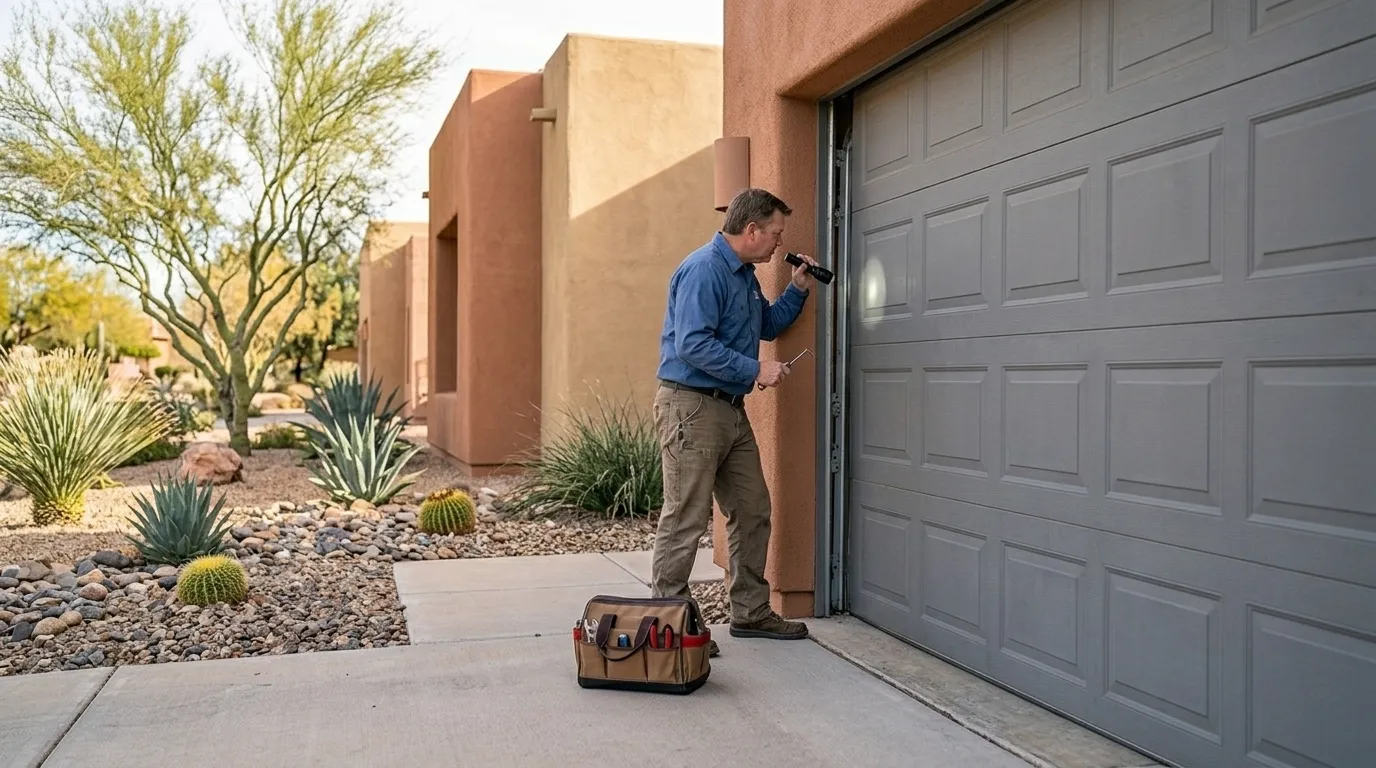
A tech checks the spring, cables, tracks, and opener in person and tells you plainly what is actually wrong.
-
3
Straight Price, No Surprises
You get a number before any work starts. It covers parts and labor, nothing added after the fact.
-
4
Fixed the Same Visit
Most repairs are done in one trip. If a part needs sourcing, we tell you that upfront instead of guessing.
Why This Fails Locally
Most of the housing stock we work on across the St. Louis area went up between 1947 and 1990, with the bulk of it dating to the 1960s and 70s.
That matters for panels specifically. Doors from that era were built as a fixed run of matched sections, and once a manufacturer discontinues a profile, the remaining panels on your door become the only source of a matching replacement panel - there is no universal fit.
Add St. Louis's cold, moderate climate to that.
Freeze-thaw cycles through winter work on the seams and fasteners of steel panels, and on wood-composite panels they work on the core where moisture gets in behind a cracked skin. A panel that looks fine in October can be delaminating or rusting from the inside by February, and by the time it shows on the outside the section next to it is usually starting the same process.
We see this pattern across the 49 named communities we work in, from University City and Clayton in close to Kirkwood and Mehlville further out. The fault isn't about any one town's weather - it's about doors built in one era meeting forty-plus winters since. If your door is from that build window and one panel has failed, the others on the same run are on a similar clock.
The Symptom
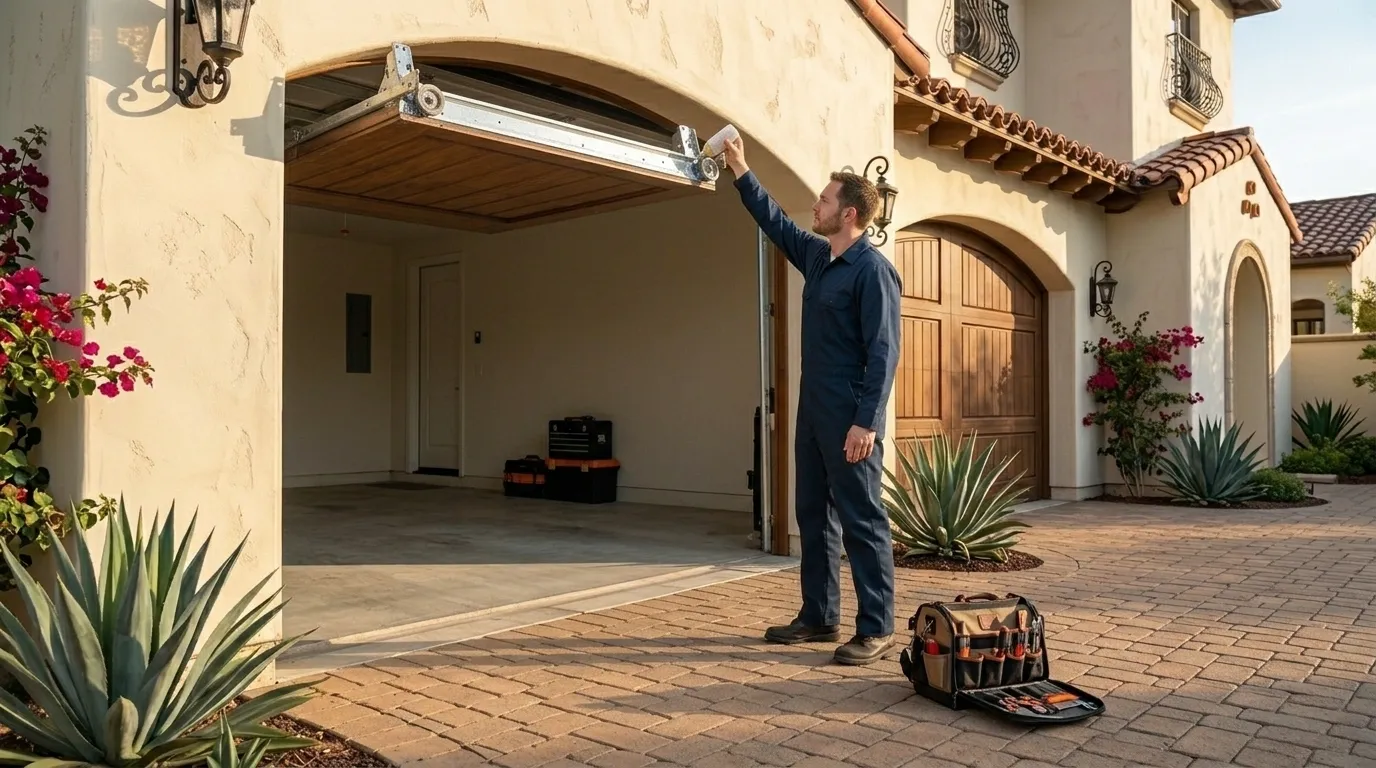
A failed panel usually shows up one of two ways. Either it's a clean impact - a car bumper, a trailer hitch, a basketball hoop pole - and the dent or crack is obvious the day it happens. Or it's slower: a bottom panel that's been sitting near grade for years starts to bow, rust through at the bottom edge, or the wood core under the skin goes soft when you press on it.
Either way, check the rest of the door before you call it a one-panel job. On doors from the 1960s-70s stock common here, panels share a track and a common set of hinges, so a warped or heavy replacement panel can throw off roller alignment on panels next to it. We look at the whole section run, not just the one you're worried about, because fixing one panel and leaving a second one about to go the same way means you're paying for a service call twice.
A door that won't close square, or that grinds at one specific point in the track every cycle, is often a panel problem even when the panel itself looks okay from the driveway. The distortion is in how it sits against its neighbors, not always visible until the door's moving.
What the Repair Takes
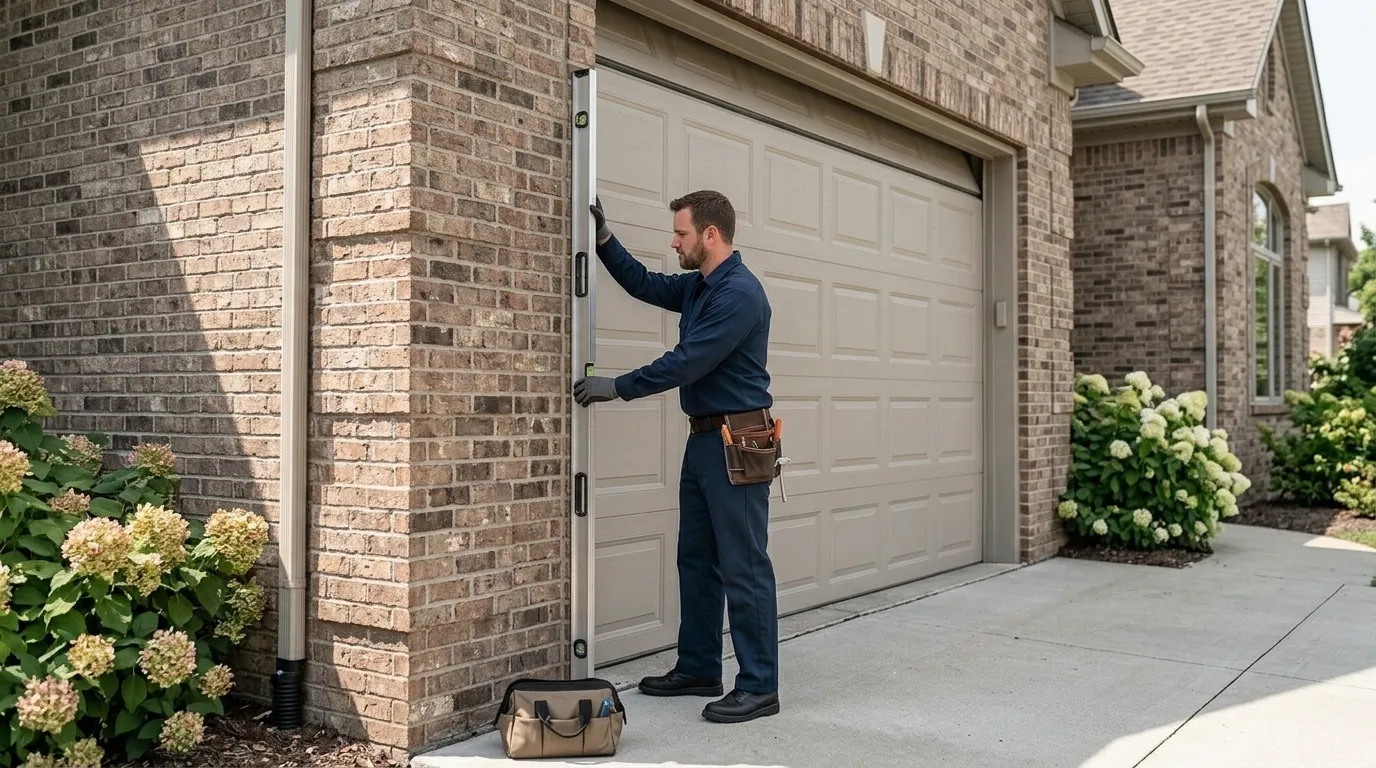
Panel replacement starts with matching. On doors built in that 1947-1990 window, especially the 1960s-70s runs that make up most of what we see, the manufacturer's original profile may still be available, may be available as a close match, or may not be made anymore. We tell you which situation you're in before we quote the job, not after.
If a match exists, the job is straightforward: pull the fasteners, swap the panel, rehang, and check that the new section tracks the same as the ones around it. If no exact match exists, we look at whether a close match will pass, or whether the more honest move is replacing the full door. We won't sell you a panel that will visibly mismatch the rest of your door and call it a repair - that's a call we make with you, not for you.
One limitation worth saying plainly: we don't stock every discontinued panel profile, and on some older doors sourcing the right match takes longer than the swap itself. If your door predates the common 1960s-70s stock, expect us to talk through options rather than just naming a price on the phone.
How Long You Are Without the Door
If we have the matching panel on hand or can get it from a local supplier, most panel swaps are same-visit work - the door goes back into full service before we leave. What extends the timeline is sourcing: a discontinued profile from an older build, or a panel that has to come from outside the immediate area, adds days rather than hours.
In the meantime the door is usually still operable on the remaining panels, just not sealed or square at that section, which matters more in a cold-climate winter than in summer. We'll tell you at the time of inspection whether it's safe to keep running the door while you wait on the part, or whether it should stay down until the panel's in. That's a judgment call based on where the damage sits on the door, not a standard answer.
Talk to a Technician Before You Book
Describe what the door is doing and get a straight answer on what it likely needs.
Jobs Like Yours
Recent work from this service line.
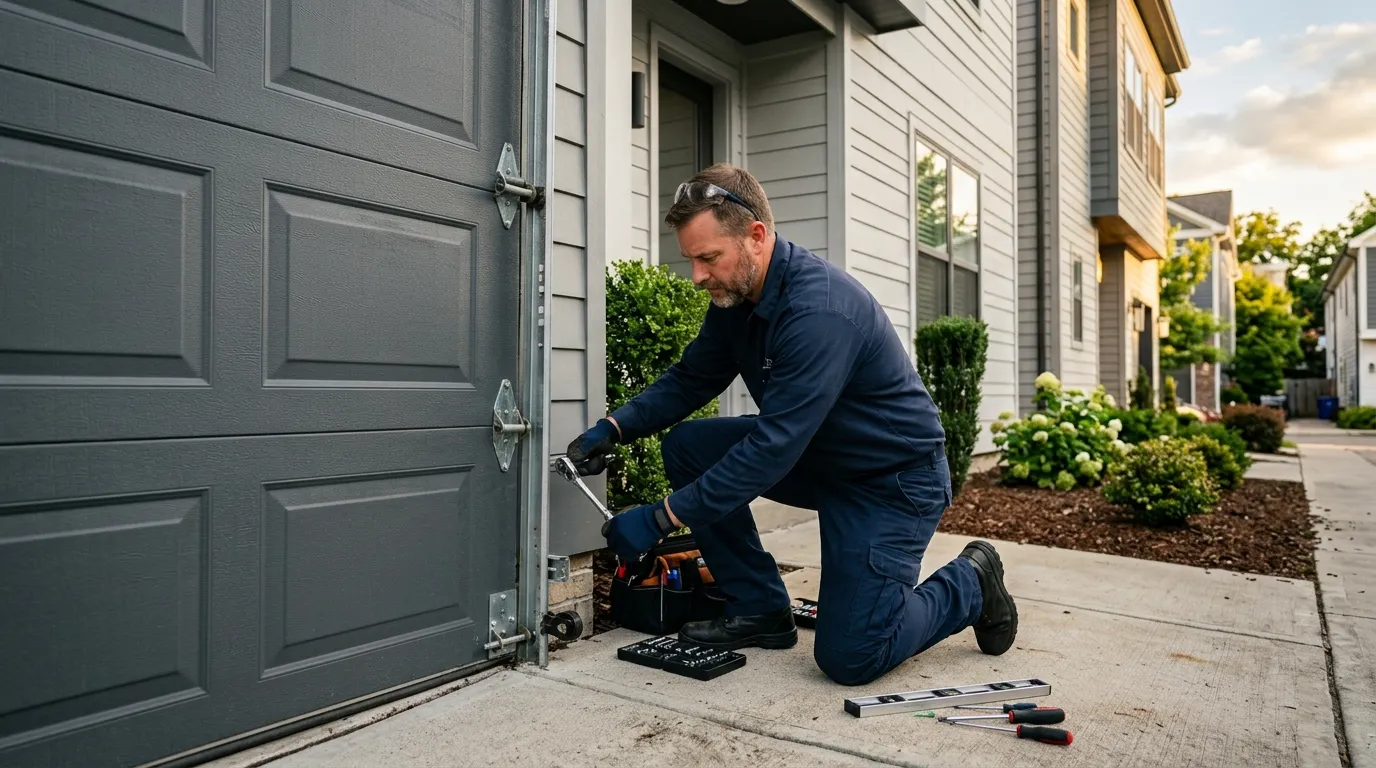
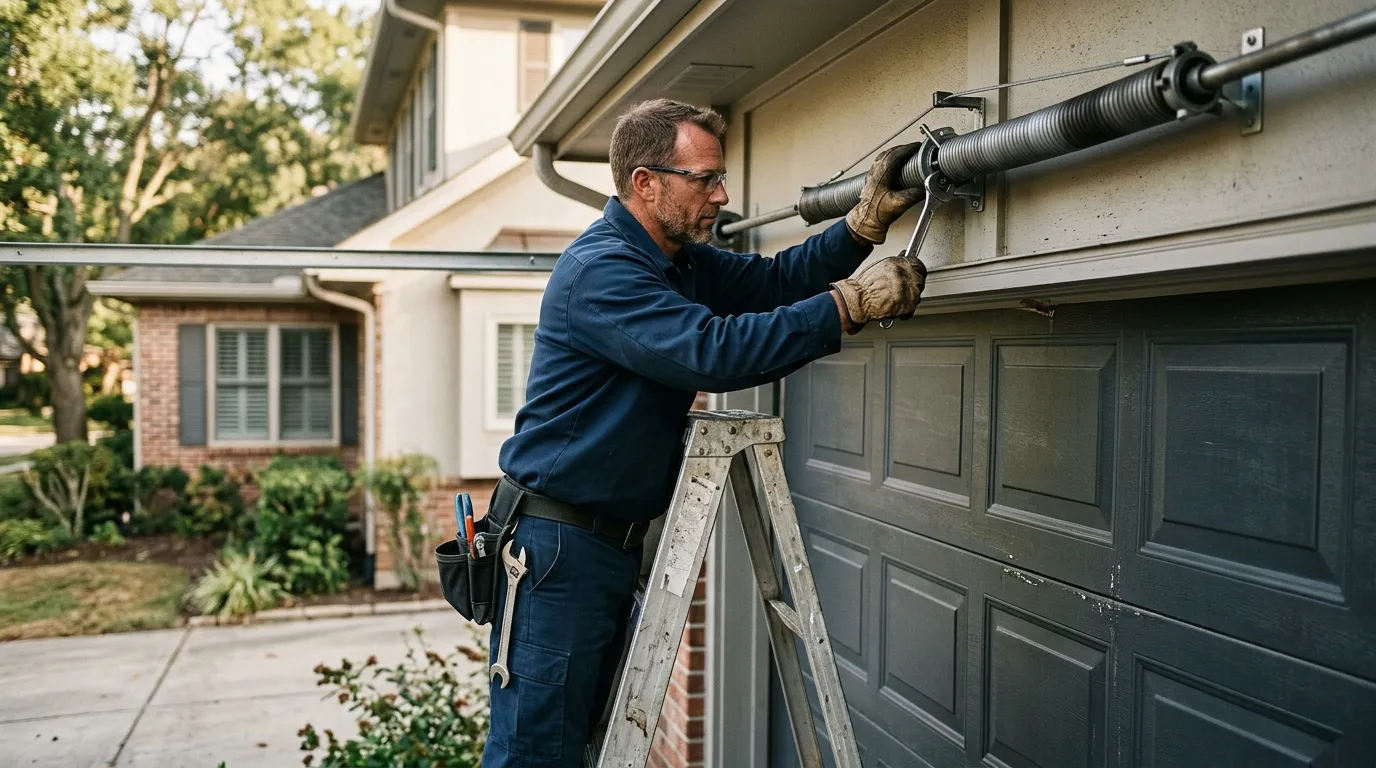
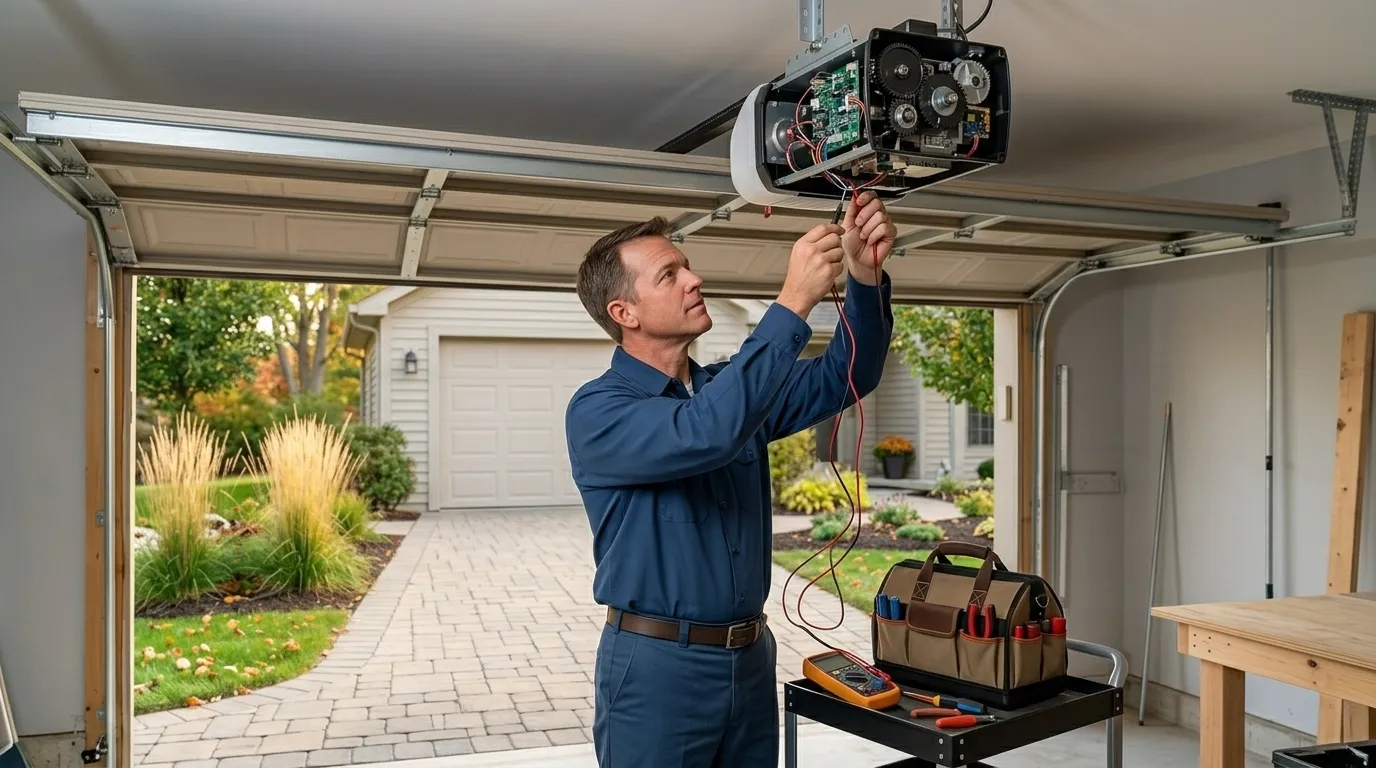
Why St. Louis Calls Us
Frequently Asked Questions
Can you match a panel on an older door, or do I need a whole new door?
Depends on the door. Doors from the 1960s-70s stock common across the St. Louis area sometimes still have an available match; older or less common profiles may not. We check before quoting - if a clean match isn't out there, we'll tell you honestly whether a close match will pass or whether full replacement is the better move.
Will one bad panel damage the rest of the door?
It can. Panels on a shared track and hinge set can throw off roller alignment for the sections next to them, especially if the replacement panel doesn't sit exactly like the original. We check the whole run before finishing a panel job, not just the section you called about.
How long is my garage door out of service for a panel repair?
If we have the matching panel on hand, most swaps finish the same visit. If the panel has to be sourced - common on older or discontinued profiles - it can take several days. We'll tell you at inspection whether it's safe to keep using the door while you wait.
Why does St. Louis see so many panel failures from rust or rot rather than just dents?
Cold, moderate winters here mean repeated freeze-thaw cycling, which works on steel seams and fasteners and gets into wood-composite cores through any crack in the skin. Combined with housing stock mostly built in the 1960s and 70s, a lot of original panels are past the point where that cycling stays cosmetic.
Need Garage Door Panel Replacement Across the St. Louis Area?
Call now for straight answers on cost and timing.