
Service
Garage Door Spring Repair Across the St. Louis Area
Broken torsion springs on 1960s St. Louis-area garage doors are common. See why this fault hits homes here and what a real repair takes.
- Licensed & Insured
- Same-Area Service Calls
- Upfront Pricing
What Happens When You Call
-
1
Call or Request a Quote
Tell us what the door is doing and roughly how old the house is - that alone points us toward the likely part before a truck leaves.
-
2
On-Site Diagnosis
A tech checks the spring, cables, tracks, and opener in person and tells you plainly what is actually wrong.
-
3
Straight Price, No Surprises
You get a number before any work starts. It covers parts and labor, nothing added after the fact.
-
4
Fixed the Same Visit
Most repairs are done in one trip. If a part needs sourcing, we tell you that upfront instead of guessing.
Why This Fails Locally
Most of the housing stock across this service area went up between 1947 and 1990, with the median build year sitting at 1967. That one number explains a lot about why spring calls are so common here.
A torsion spring rated for 10,000 cycles installed in 1967 has had over fifty years to work-harden and fatigue, even on a door that's never been touched otherwise. Across the 49 named communities we cover - from Clayton and University City in close, out through Kirkwood, Mehlville, and Spanish Lake - the bulk of the stock is that same 1960s-70s build, which means the same size springs, the same wind style, and the same age of steel wearing out around the same time.
The cold climate band this region sits in adds a second stress. Steel contracts in winter, and a spring that's already near the end of its fatigue life is more likely to let go on a cold morning than a mild one. That's not a St.
Louis-specific chemistry lesson, it's just physics acting on an area where a huge share of doors are original-era hardware. Put the housing age and the climate together and you get a predictable pattern: spring failures cluster hard in winter on doors installed when Johnson was president.
The Symptom
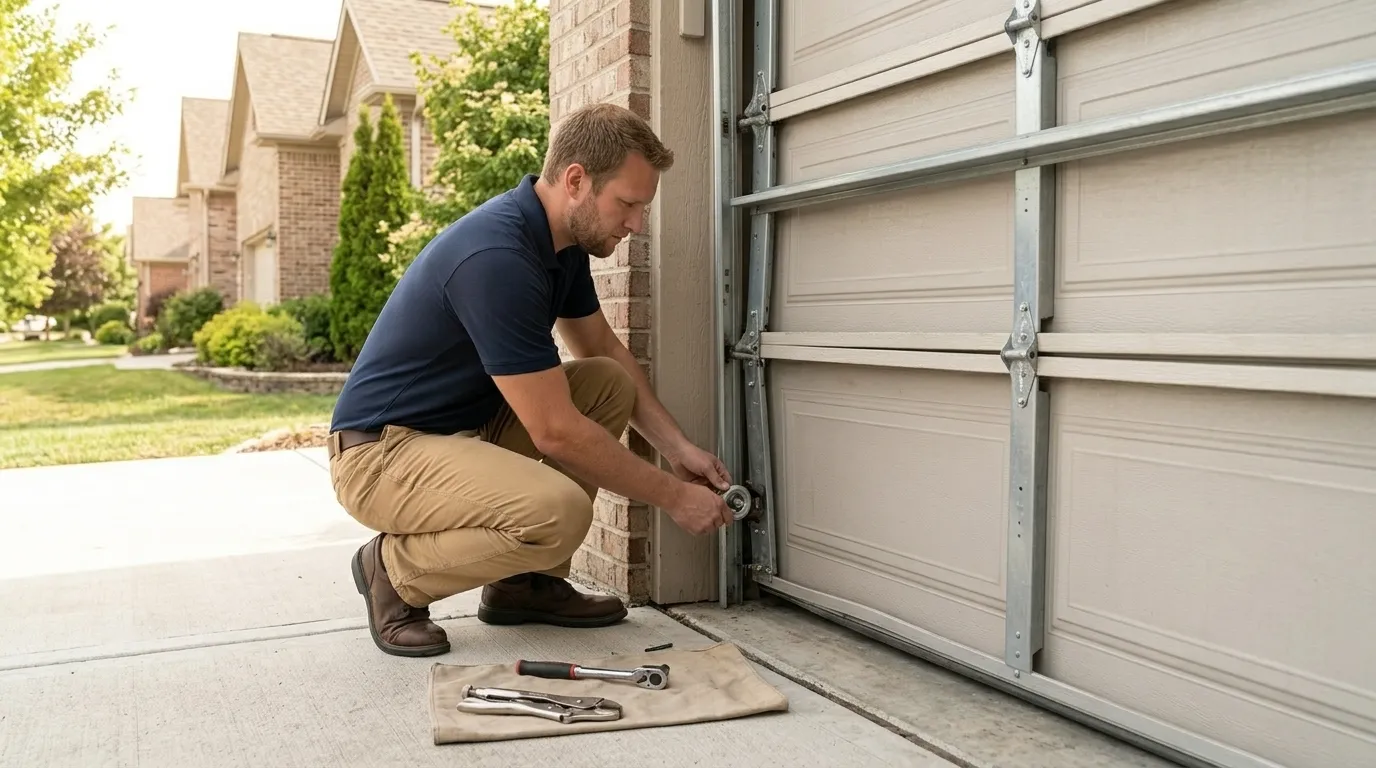
The classic sign is a door that won't budge, or one that slams down instead of lowering under control. If you pull the release cord and the door feels like dead weight, or drops fast the last foot, a spring has usually already broken and the opener has just been trying to lift the whole door on its own gears - which is hard on the opener too. Sometimes it's less dramatic: a loud bang from the garage (that's the spring snapping under tension) followed by a door that still moves but strains, groans, or hangs unevenly on one side.
On a two-spring double door, one spring can go while the other holds, and the door will still open but crooked, or an inch higher on one side than the other. That's a repair, not a full swap - but it's also not a job to keep running on, since the working spring is now carrying double load and won't last long doing it.
What the Repair Takes
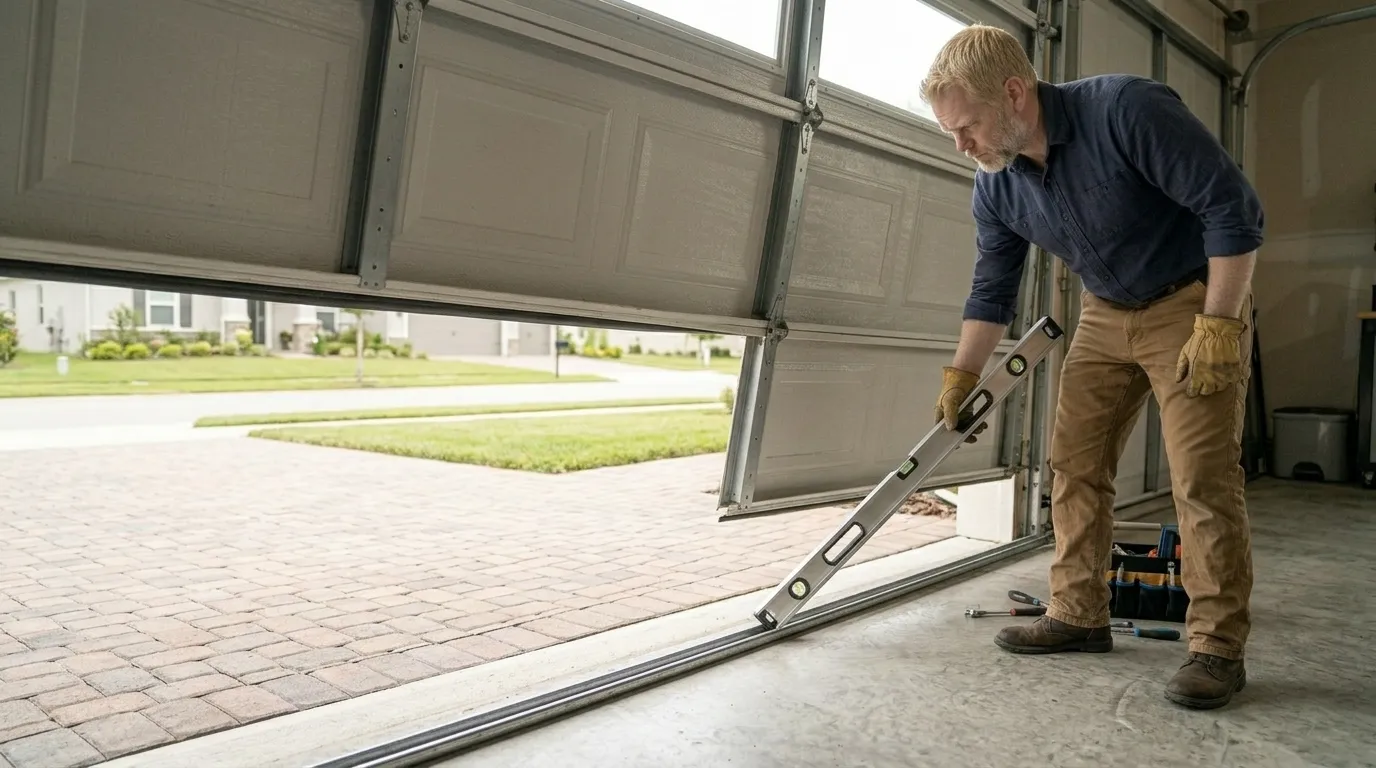
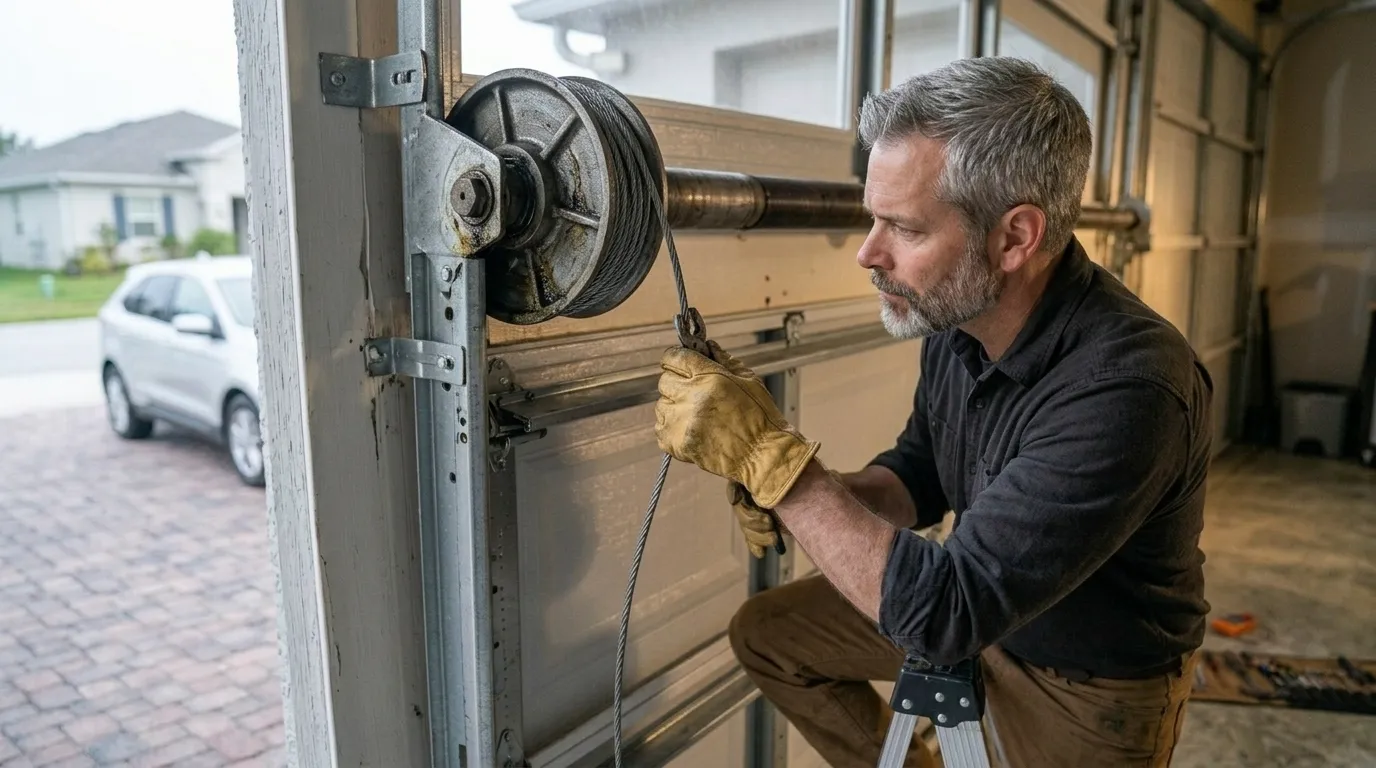
A spring job means matching wire size, coil diameter, and length to the door's weight and drum size - not just grabbing a spring that looks about right. On the older, original-era doors common across this area, that sometimes means a size that's no longer a stocked, off-the-shelf part, since manufacturers have changed standard spring specs more than once since the 1960s and 70s.
Honest limitation: if a door is original to a 1960s build and the track, drums, and cable system are worn along with the spring, replacing just the spring can be false economy. At that point we'll tell you straight if you're better off replacing the hardware set instead of patching one piece of a system that's fifty-plus years old. We won't put a new spring on a drum and cable setup that's about to fail next.
How Long You Are Without the Door
A standard torsion spring replacement is a same-visit job once the right spring is on the truck - it's not a multi-day repair for the common cases. Where it stretches out is when the size needed isn't a common stocked spec, which happens more often on original hardware from the 1947-1990 building era than on anything installed in the last two decades. In that case the door gets secured safely and you're waiting on a part, not on labor.
Either way, don't try to force a door open manually with a broken spring to get the car out - that's how people get hurt, and it's also how a cable or drum gets damaged on top of the spring, turning a one-part fix into a bigger one.
Talk to a Technician Before You Book
Describe what the door is doing and get a straight answer on what it likely needs.
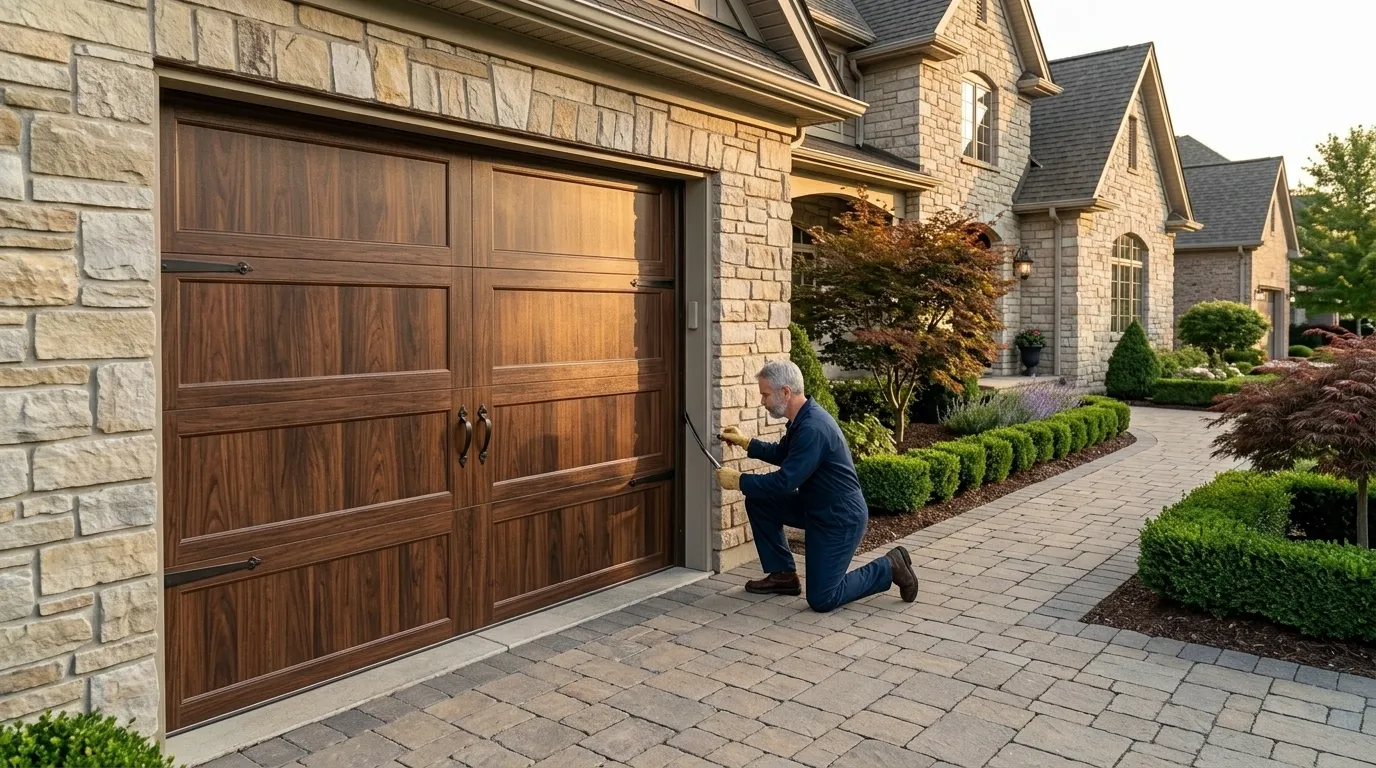
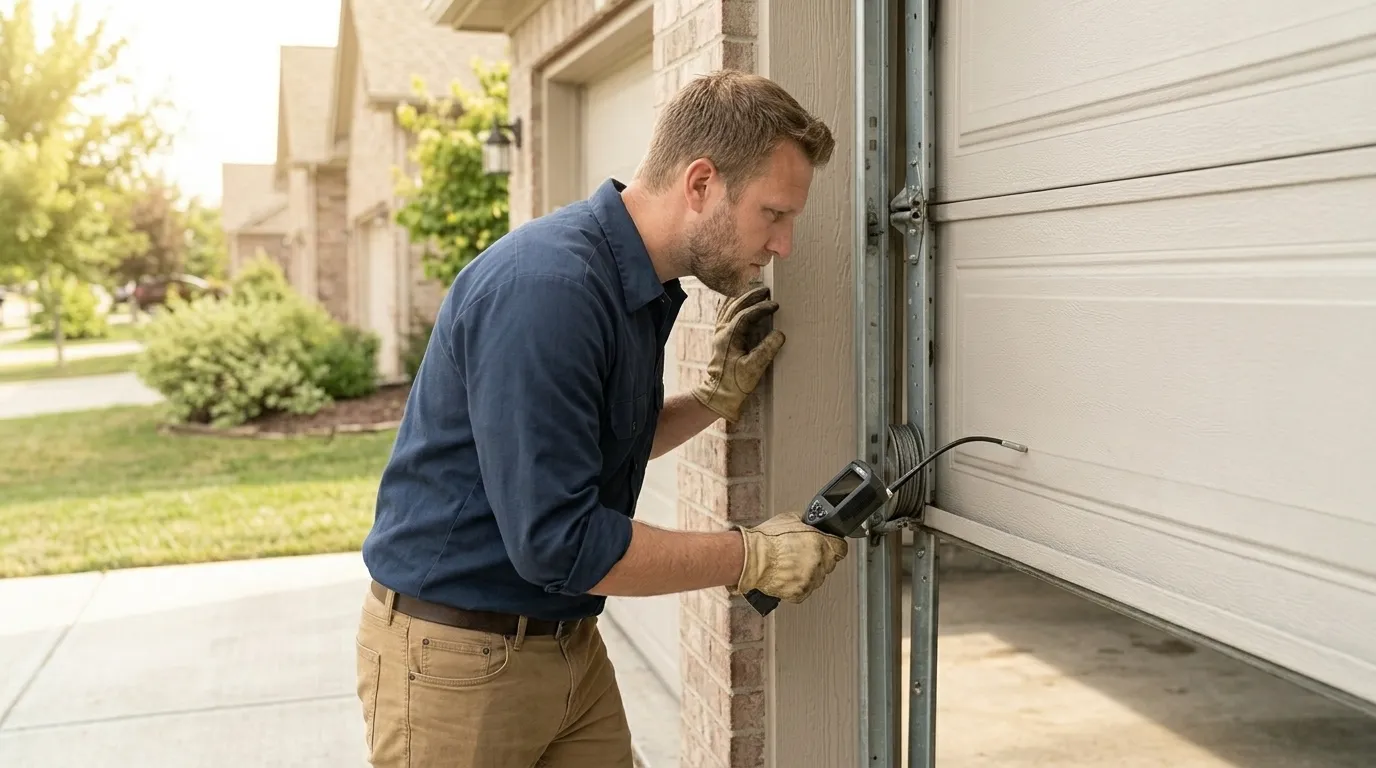
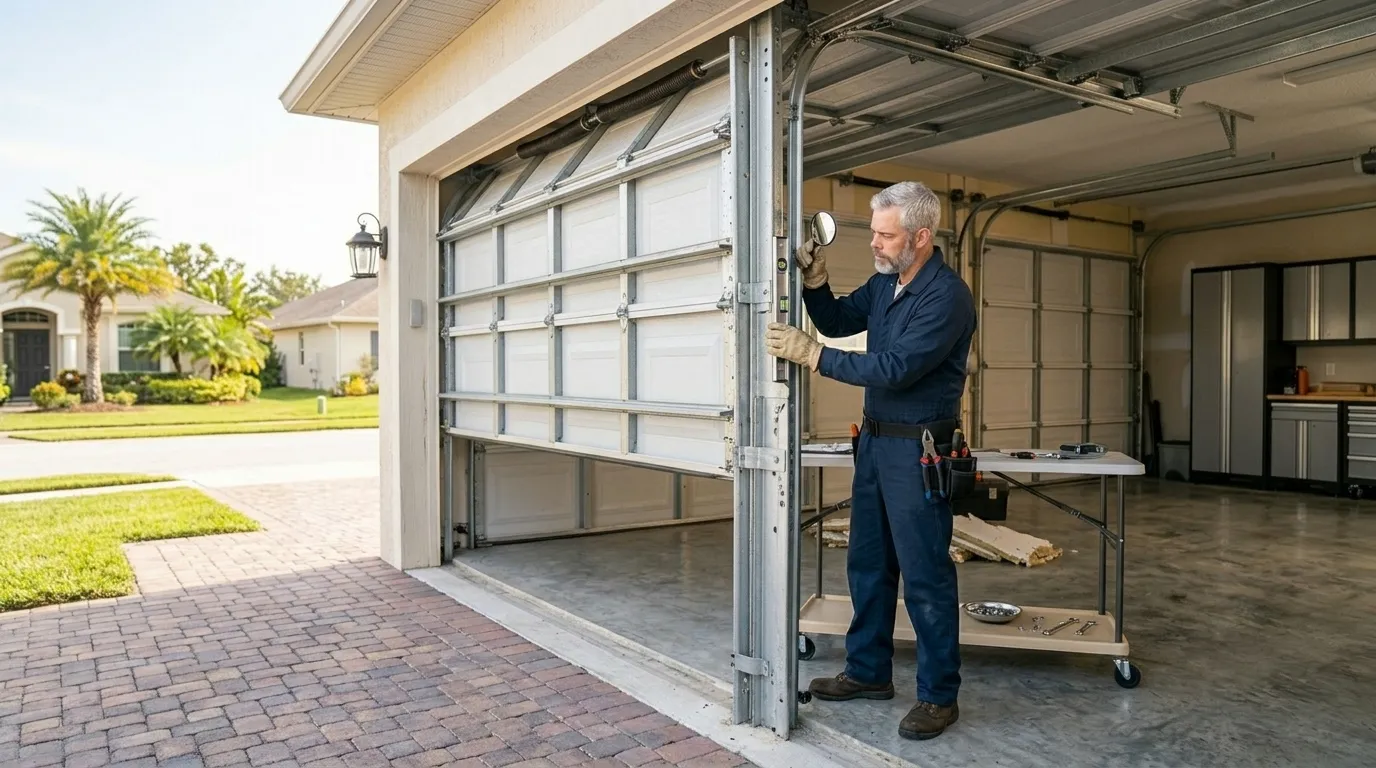
Jobs Like Yours
Recent work from this service line.
Why St. Louis Calls Us
Frequently Asked Questions
Why do springs seem to fail so often on older St. Louis-area homes?
Most homes across this service area were built between 1947 and 1990, median 1967, so a huge share of doors are running original or early-replacement torsion springs that are decades past their rated cycle life. Combine that with a cold winter climate that stresses fatigued steel, and failures cluster hard on this specific mix of old housing stock and cold mornings.
Can one spring break and the other still work on a double door?
Yes. Two-spring doors can run lopsided for a while with one spring gone, but the remaining spring is now carrying double the load it was built for and will wear out fast. It's worth fixing both, not just the broken one, once one has already failed from age.
Is it ever better to replace the door instead of just the spring?
On original hardware from the 1960s-70s building era, sometimes the track, drums, and cables are as worn as the spring. If that's the case here, we'll say so rather than sell you a spring on a system that's about to need more work anyway.
Need Garage Door Spring Repair Across the St. Louis Area?
Call now for straight answers on cost and timing.