
Roller Replacement in Lemay
Roller Replacement for Lemay's 1950s Garages
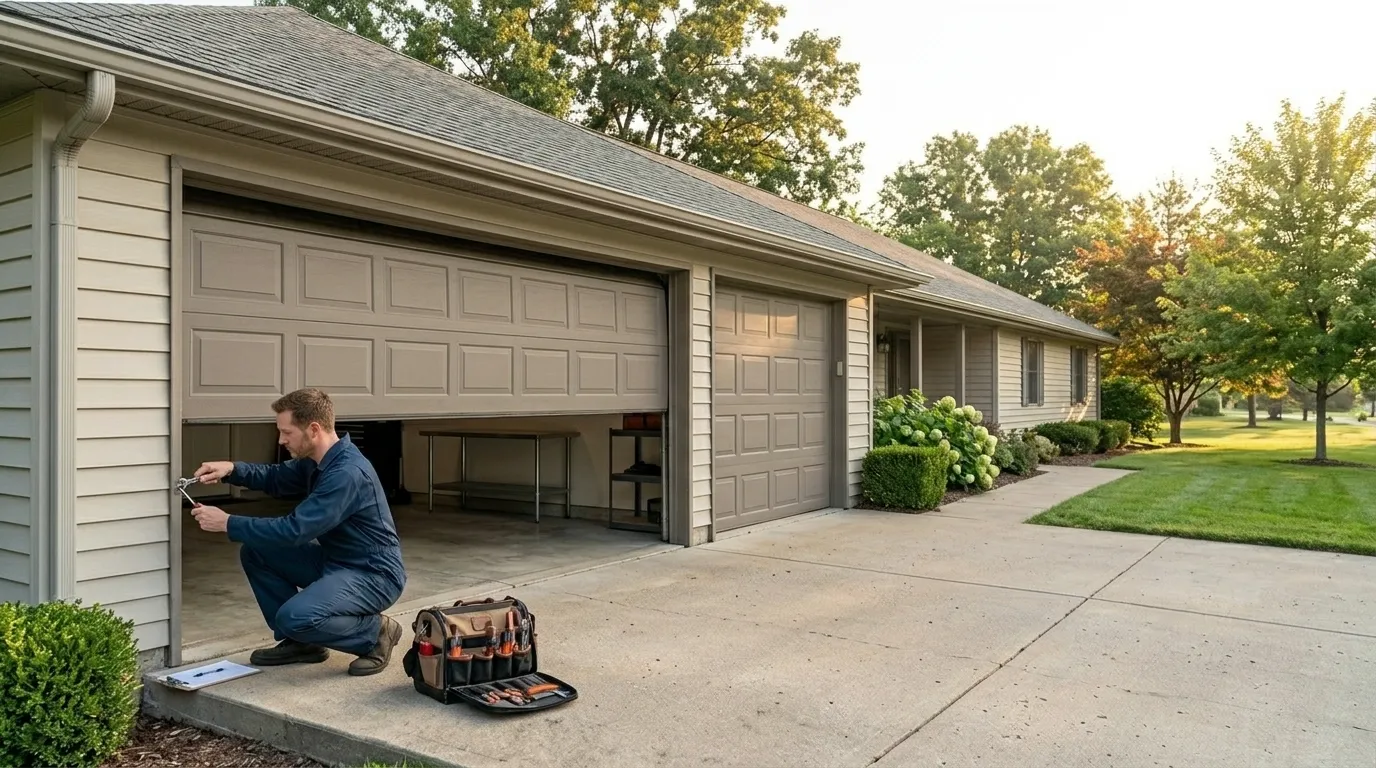
Lemay's houses date to a 1954 median build year, meaning narrow single-car garages and steel rollers on tight track. Here's what roller replacement actually involves on this stock.
- Licensed & Insured
- Same-Area Service Calls
- Upfront Pricing
What Happens When You Call
-
1
Call or Request a Quote
Tell us what the door is doing and roughly how old the house is - that alone points us toward the likely part before a truck leaves.
-
2
On-Site Diagnosis
A tech checks the spring, cables, tracks, and opener in person and tells you plainly what is actually wrong.
-
3
Straight Price, No Surprises
You get a number before any work starts. It covers parts and labor, nothing added after the fact.
-
4
Fixed the Same Visit
Most repairs are done in one trip. If a part needs sourcing, we tell you that upfront instead of guessing.
Booking a Visit
We run this job out of St. Louis, about 7 miles from Lemay, so there's no branch office here and no same-day guarantee we can put in writing - we schedule the trip when you call, same as any job outside the city itself. What we can tell you before we show up: if your house is one of the many in Lemay built around 1954, the median year for this area, your garage almost certainly started life as a single-car bay with a narrow steel door on a short track.
That changes what we bring on the truck. Ten-ball steel rollers on a 1950s track aren't interchangeable with the 13-ball nylon rollers on a newer two-car door, and guessing wrong means a second trip. Tell us the door width and roughly how old the house is when you call, and we'll bring the right stem length and ball count the first time.
We work from St. Louis Garage Door Pros's Lemay service page if you want the full range of what we cover here beyond rollers.
What the Repair Takes
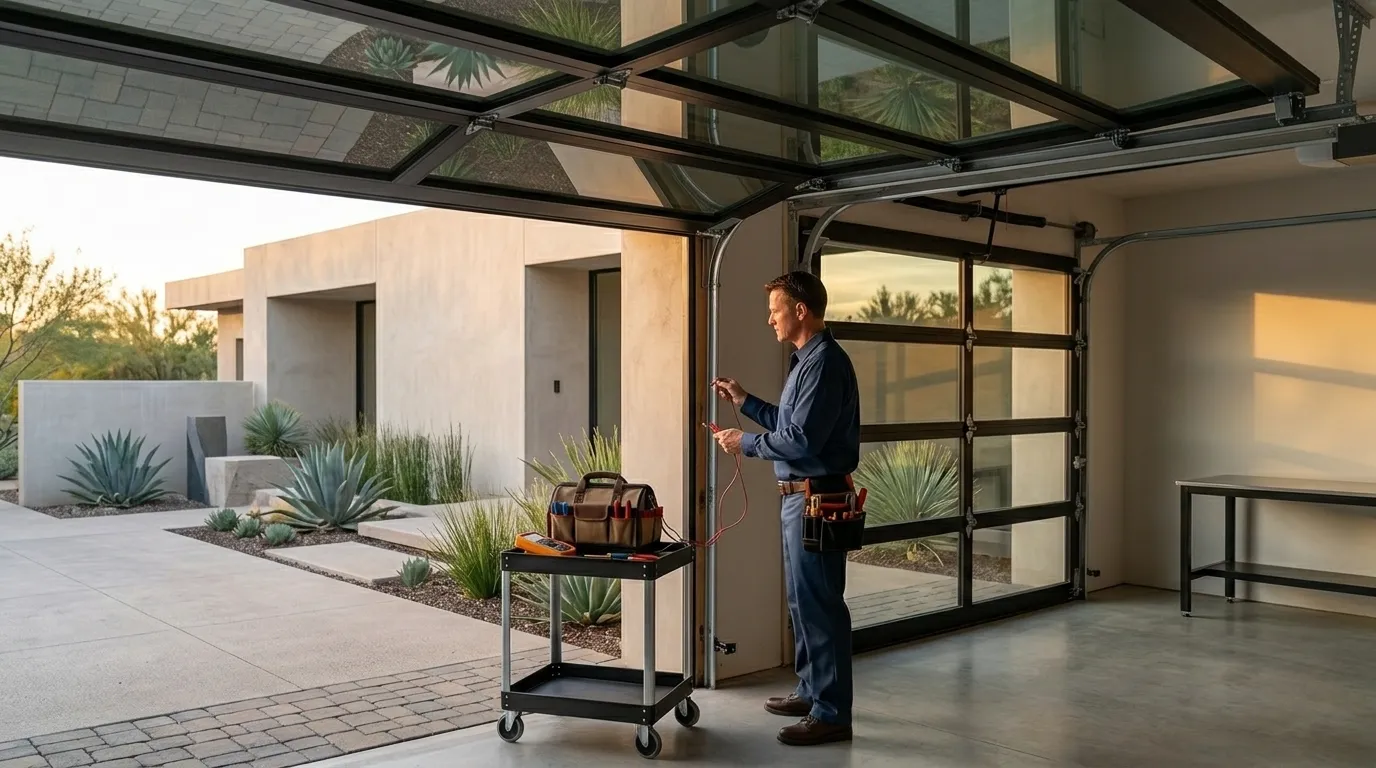
A straight roller swap on a single-car door from this era usually runs eight to ten rollers per side depending on panel count, plus the two bottom rollers that take the worst wear from ground grit. On houses built in the 1954 range, the track itself is often the original galvanized steel, narrower gauge than what ships today, so we check for flare and bow before we commit to new rollers - a warped track will chew through new nylon just as fast as it chewed through the old steel ones. We pull the door, run it by hand to feel where it binds, then replace roller by roller rather than pulling the whole set at once, which keeps the door aligned on unbalanced older track.
Nylon rollers with sealed bearings are the standard swap now; they run quieter than the steel ball-bearing rollers most of these doors shipped with. If the track brackets are original and starting to pull from the jamb, that's a second conversation, not part of a roller job.
The Complications
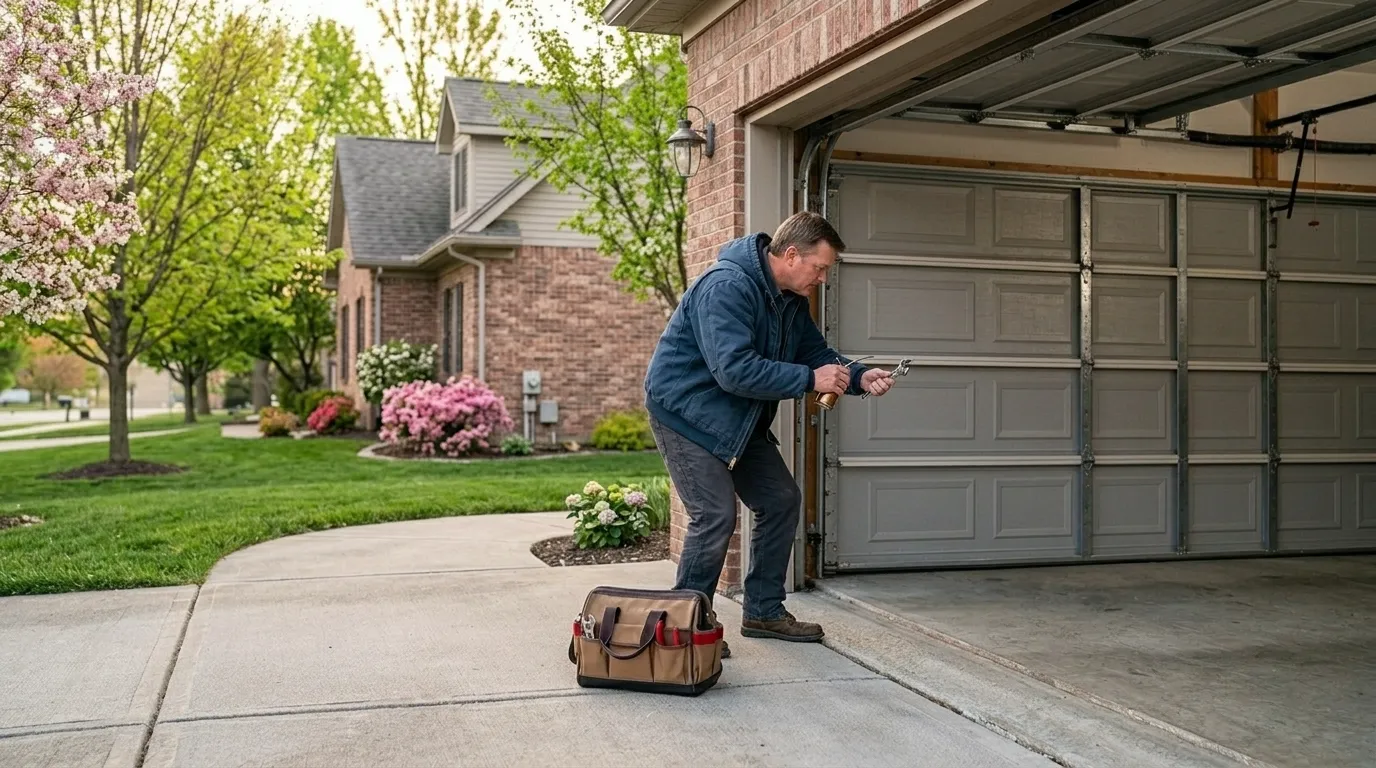
Lemay's median household income sits at $59,026, noticeably below the $84,389 median across the wider service area, and that gap shows up in deferred maintenance more than in the roller job itself - doors here often run years past the point a roller starts grinding before anyone calls. By the time we get the panel off, we're commonly finding a bent track section or a stretched cable that the worn rollers were masking. Cold-climate swings matter here too: steel expands and contracts enough over a St.
Louis winter that a track already slightly out of plumb on a 70-year-old garage will bind worse in January than in July, and that binding is what tears up new rollers fast if we don't true the track first. None of that is exotic. It's just what you find on original hardware that's outlasted a couple of openers already.
Why This Fails Locally
With 6,366 households in Lemay and a housing stock centered on 1954, a lot of these garages were built for one car, one door, and steel rollers that were never meant to run on today's heavier insulated panels if a door's been swapped out over the decades without updating the track to match. That mismatch - new door, old track - is the single most common reason rollers fail early here, more than age alone. The other pattern specific to this stretch of housing: single-car bays get opened and closed more often per car than a two-car garage does, since there's no second bay to rotate use through, so the rollers see more cycles per year than the same-age door in a bigger garage a few miles off.
We don't fix that by selling a bigger roller. We fix it by matching roller and track to what's actually there.
Doing It Yourself
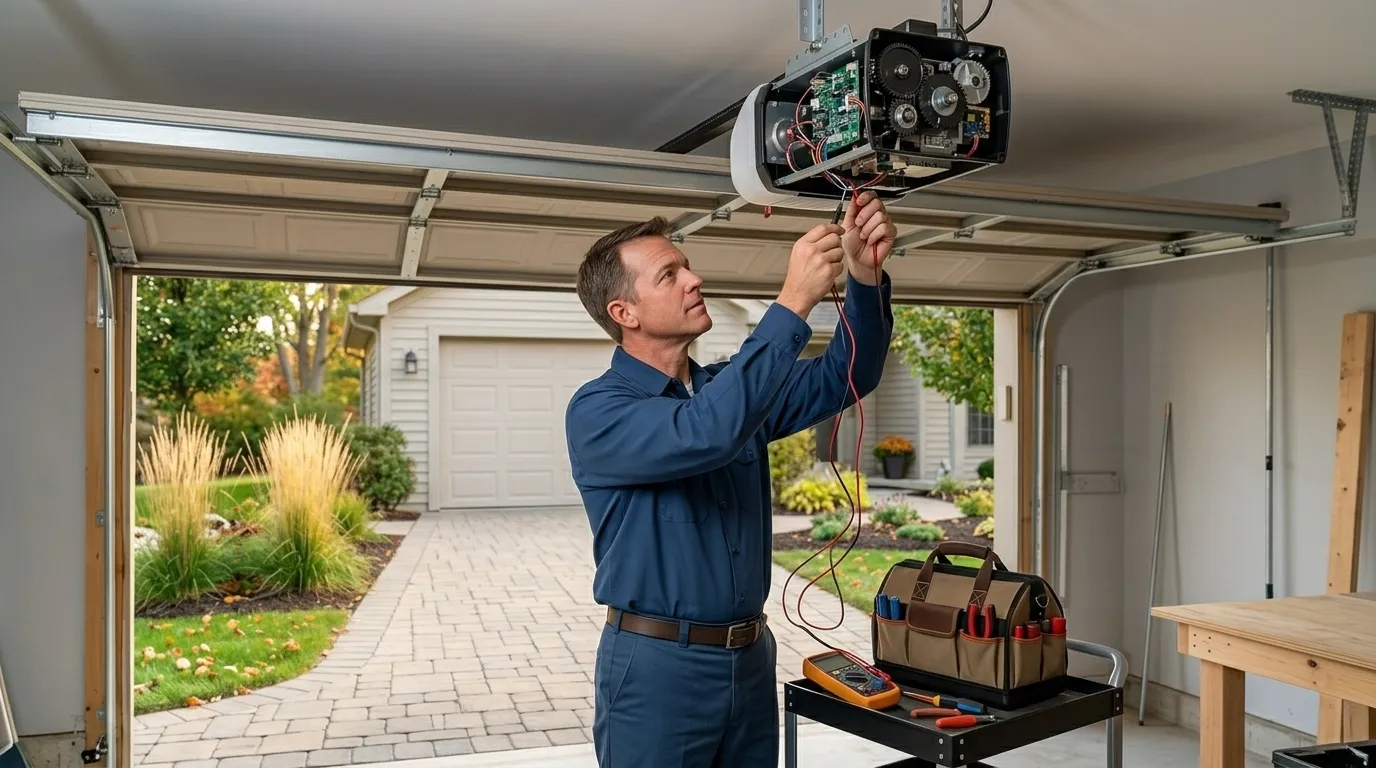
Swapping a single roller isn't a bad DIY job if the door is a lightweight single-car panel and you're only replacing the ones at the bottom, away from spring tension - pull the roller bracket, slide the old roller stem out, seat the new one, done. Where we'd stop you: rollers near the top corners on doors this old sit close to the torsion spring assembly, and on original 1950s-era hardware the spring anchor brackets are often rusted or under-rated by today's standard, so working near them without knowing the tension is how people get hurt.
If your track is visibly bent or the door drops unevenly when you pull the release, that's not a roller problem, that's a track or cable problem, and it's worth a call rather than a trip to the hardware store. We'd rather tell you it's a $20 fix than sell you a service call you don't need.
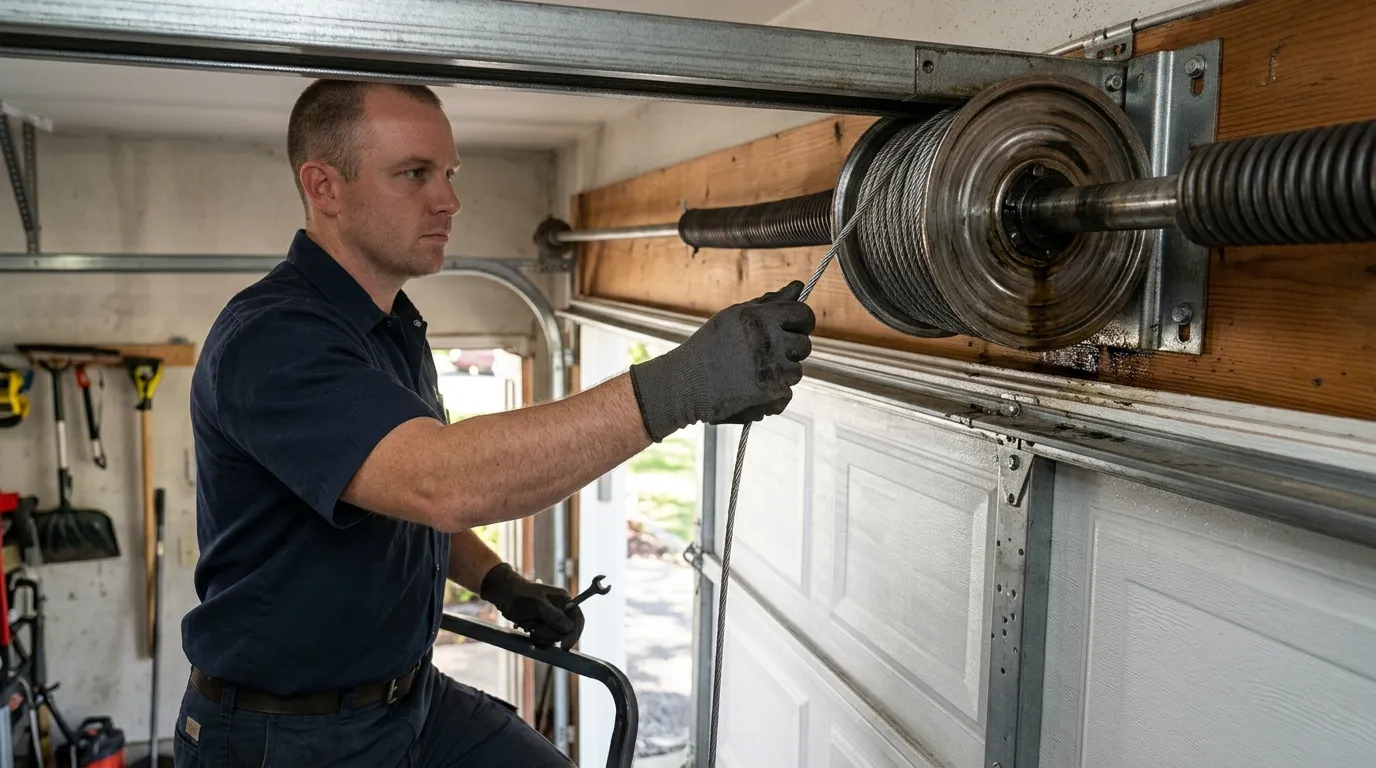
Talk to a Lemay Technician First
Describe what the door is doing and get a straight answer on what it likely needs.
Other Garage Door Services in Lemay
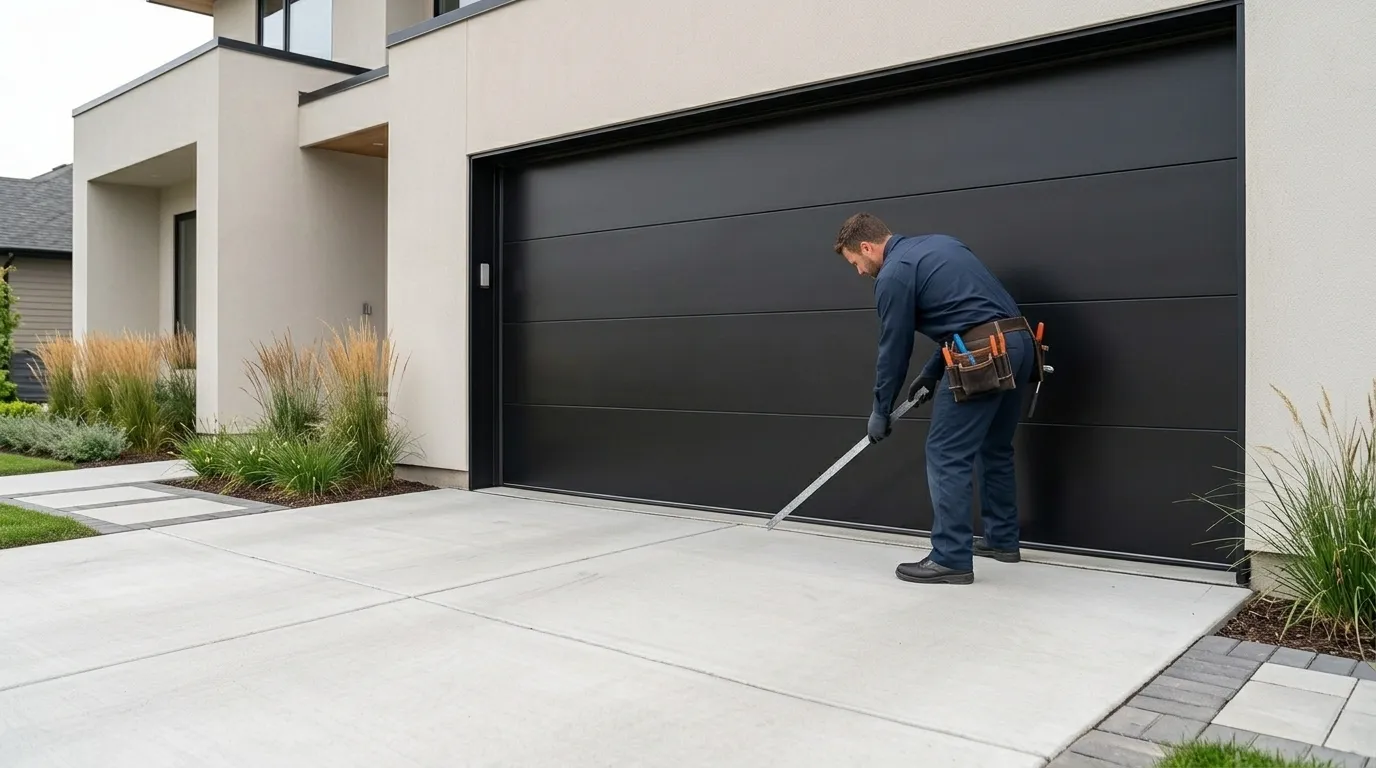
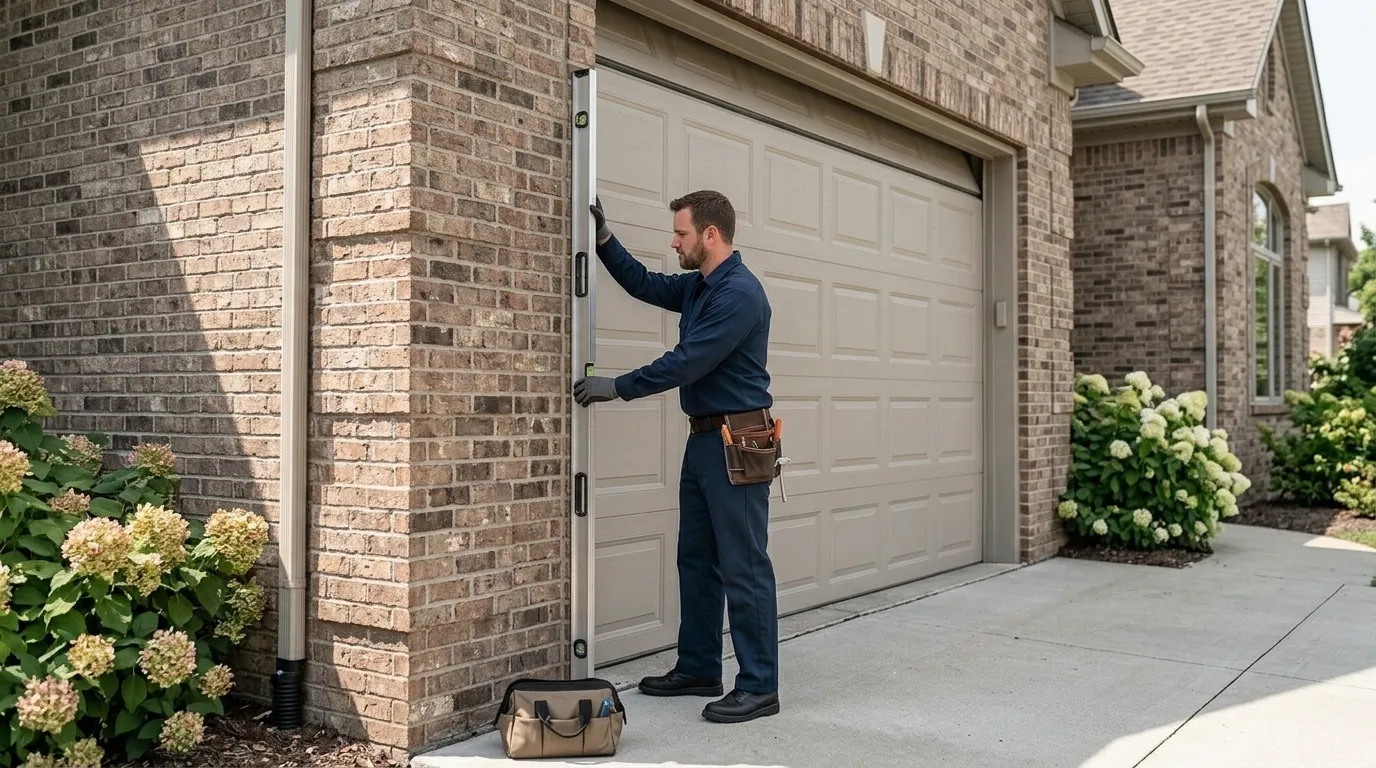
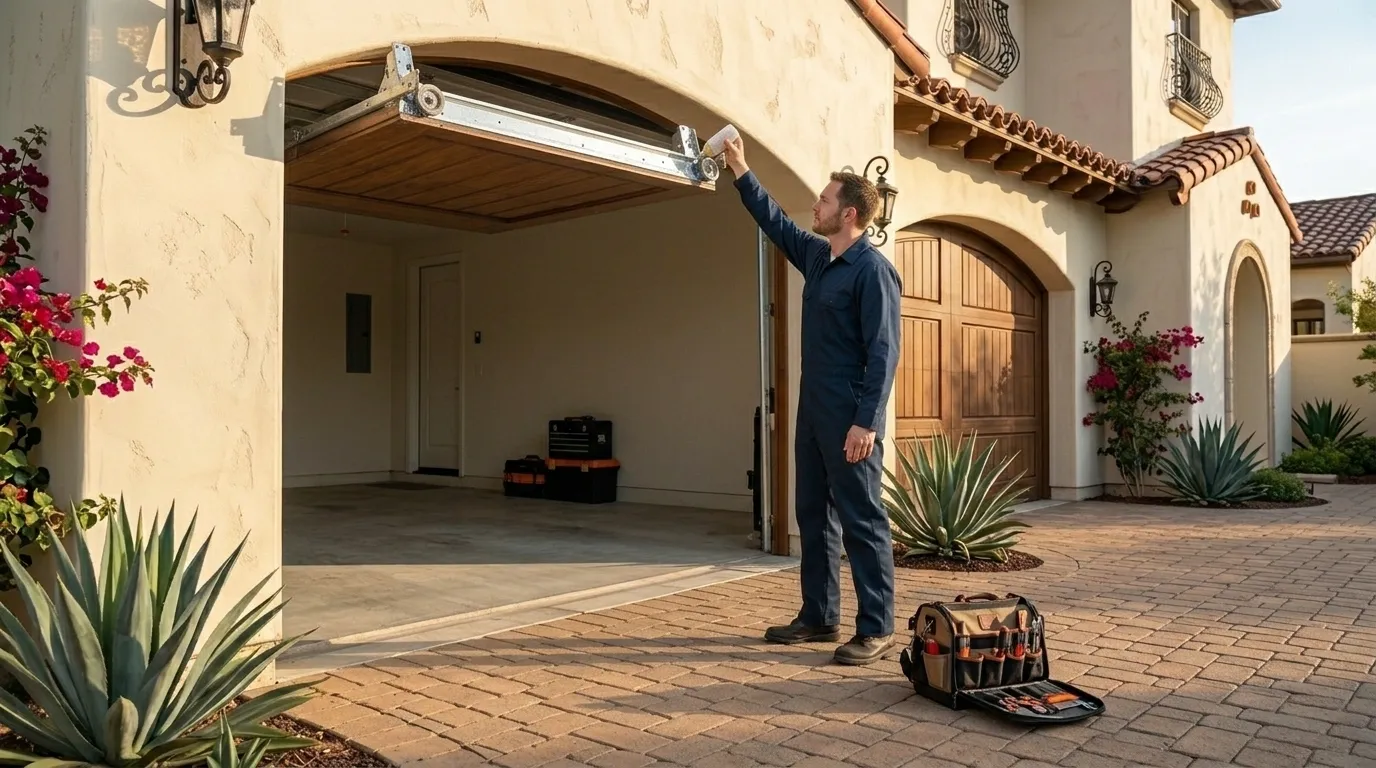
Recent Work in Lemay
A look at jobs our crew has been on nearby.
Why Lemay Calls Us
Frequently Asked Questions
How many rollers does a Lemay garage door usually need replaced at once?
On the single-car doors common to this area's 1954-median housing, we typically replace 8 to 10 rollers per side plus both bottom rollers, since they wear fastest. We do it roller by roller rather than all at once, which keeps an older, slightly unbalanced track from binding mid-job.
Are the rollers on my 1950s garage door different from what's sold at the hardware store today?
Often yes. Original steel ball-bearing rollers from this era were sized for narrower track gauges than most hardware-store nylon rollers ship in now. We check stem length and track width before swapping, because the wrong roller size will bind on original 1950s track.
Do you have a branch in Lemay?
No. We're based in St. Louis, about 7 miles out, and we schedule Lemay visits from there rather than keeping a local depot. There's no same-day promise we can make in writing, but we do bring era-appropriate roller stock based on what you tell us about the house.
Can I replace just the noisy rollers instead of the whole set?
Yes, and on older single-car doors that's often the right call - replace the ones that are grinding or chipped, leave the rest if they're still round and turning freely. Full-set replacement makes more sense once you're past half the rollers showing wear.
Need Roller Replacement in Lemay?
Call now for straight answers on cost and timing.