
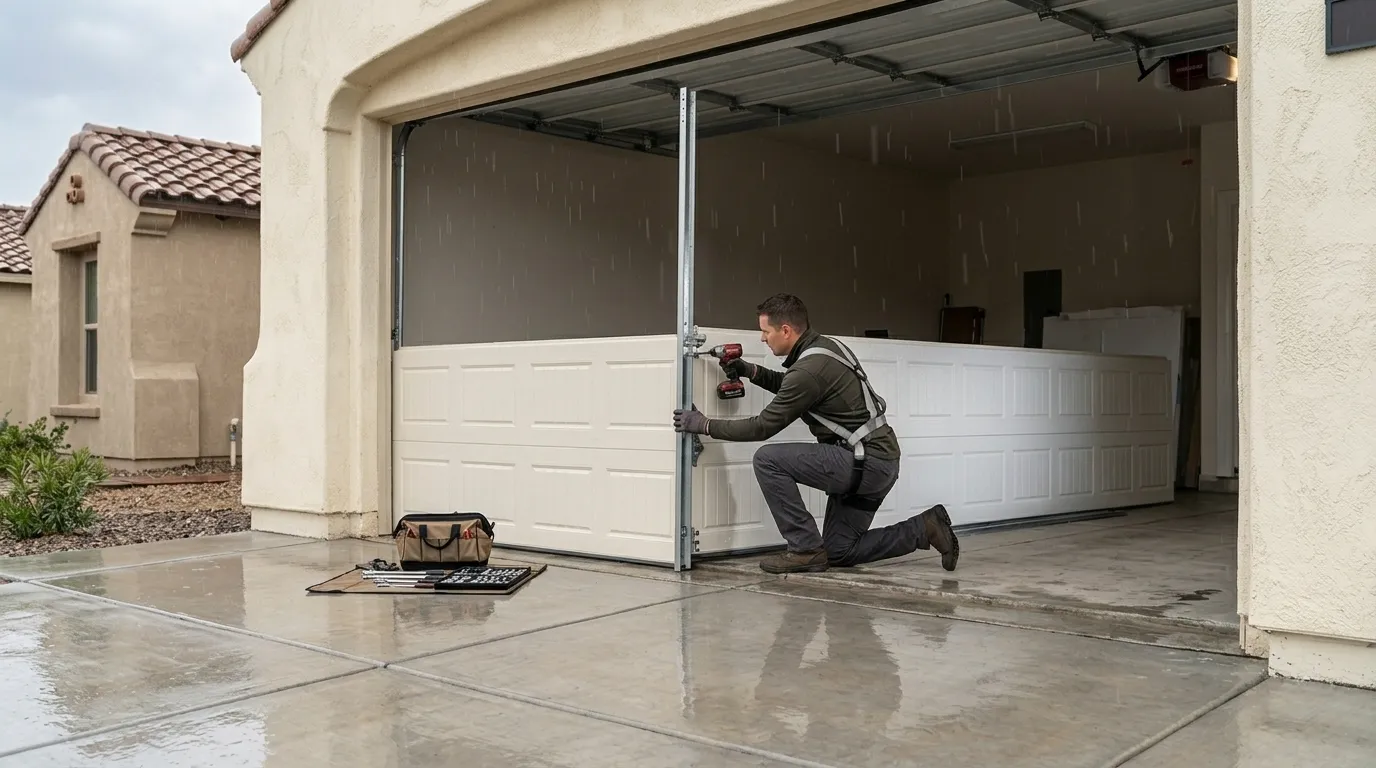
Spring Repair in Richmond Heights
Spring Repair for Richmond Heights Garage Doors
Richmond Heights homes median $90,670 income and mostly pre-1960 builds. See where spring repair beats replacement and what the job involves 5 miles from St. Louis.
- Licensed & Insured
- Same-Area Service Calls
- Upfront Pricing
What Happens When You Call
-
1
Call or Request a Quote
Tell us what the door is doing and roughly how old the house is - that alone points us toward the likely part before a truck leaves.
-
2
On-Site Diagnosis
A tech checks the spring, cables, tracks, and opener in person and tells you plainly what is actually wrong.
-
3
Straight Price, No Surprises
You get a number before any work starts. It covers parts and labor, nothing added after the fact.
-
4
Fixed the Same Visit
Most repairs are done in one trip. If a part needs sourcing, we tell you that upfront instead of guessing.
Booking a Visit
We work out of St. Louis and cover Richmond Heights as part of the regular route, about 5 miles out. There's no branch office here - a truck comes from St.
Louis stocked for the job, which is how the company covers Richmond Heights alongside the other 39 named areas in the region. Before we book, we ask a few things over the phone: is the door stuck shut or open, is it one spring or two, and roughly how old the house is. That last question matters more here than in newer suburbs, because Richmond Heights' median household income sits at $90,670, well above the wider service area's $84,389, and that changes the math on repair versus replace.
At that income level, most owners choose to fix a broken spring rather than swap the whole door, since the spring itself is a small fraction of a full replacement cost. We'll tell you honestly if your situation is the exception. For the general rundown on how spring calls work across the metro, see the St.
How Long You Are Without the Door
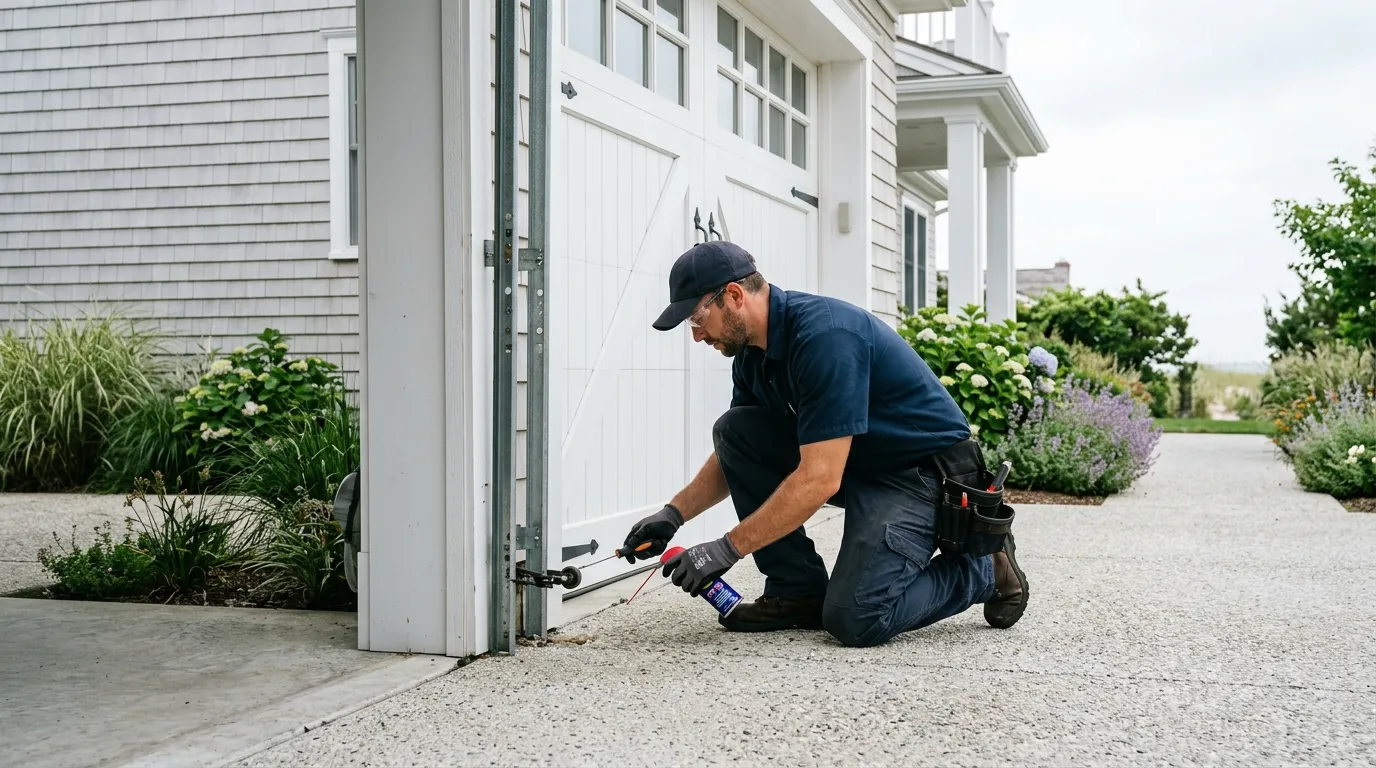
A broken torsion spring means the door won't lift, full stop - the opener isn't strong enough to fight a dead spring, and the chain will just strain and trip the safety reverse. Once we're on site, most spring jobs are a same-visit fix: we don't wait on the spring itself, since that's a stocked part. What can add time is the hardware around it.
In a lot of Richmond Heights houses built close to 1947, the spring sits on an older shaft-and-drum setup that doesn't match what's on newer doors, and matching bearing plates or drums can take an extra trip if the originals are worn past reuse. We'd rather tell you that up front than promise a fix we can't finish in one visit. If the door has to sit unusable overnight waiting on a part, we'll block it so it can't be forced open by hand, which is the real risk with a dead spring - not the wait itself, but someone trying to muscle the door up.
Doing It Yourself
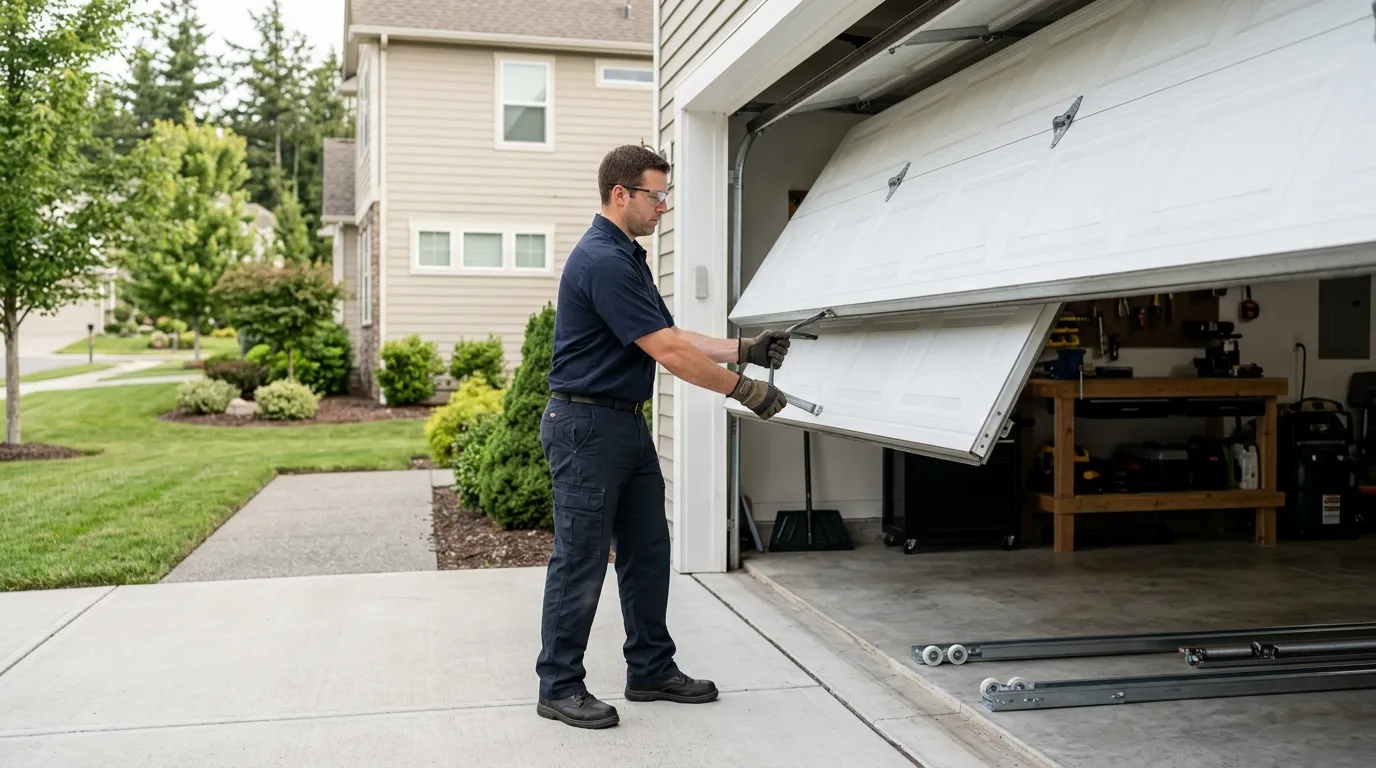
Don't. A torsion spring under tension can put someone in the hospital - it's wound with enough force to snap a winding bar out of your hands or take a finger off if the cone slips. This isn't a caution we add for liability; it's the single most common serious injury in residential garage door work nationally, and it applies whether the house is in Richmond Heights or anywhere else with an overhead door.
What you can safely check yourself: whether it's one spring or two (look at the top of the door for a single center spring versus two side springs), and whether the cable is frayed or the spring itself is visibly separated - a gap in the coil means it's already broken, not just weak. Write down what you see and tell us on the phone; it saves time on site. Past that, leave the winding bars in the truck.
We've seen the DIY jobs that go wrong, and they cost more to fix than the original spring would have.
What the Repair Takes
For a standard torsion spring on a residential door, the job runs: unplug or disengage the opener, clamp the door in place, unwind and remove the old spring, check the shaft, bearings, and cable drums for wear, install the correctly sized replacement spring, wind it to the door's weight, and cycle the door a dozen times to check balance. Balance is the part people skip and shouldn't - a door that closes too fast or won't stay put at half-open is still unbalanced even with a new spring, and an unbalanced door wears out the next spring faster.
We size springs by door weight and track radius, not by what was on it before, since the original spring may have been under- or oversized from the start. On a two-spring door we generally replace both, since springs are wound in pairs and age together - leaving a ten-year-old spring next to a new one just moves the next failure a few months down the road.
The Complications
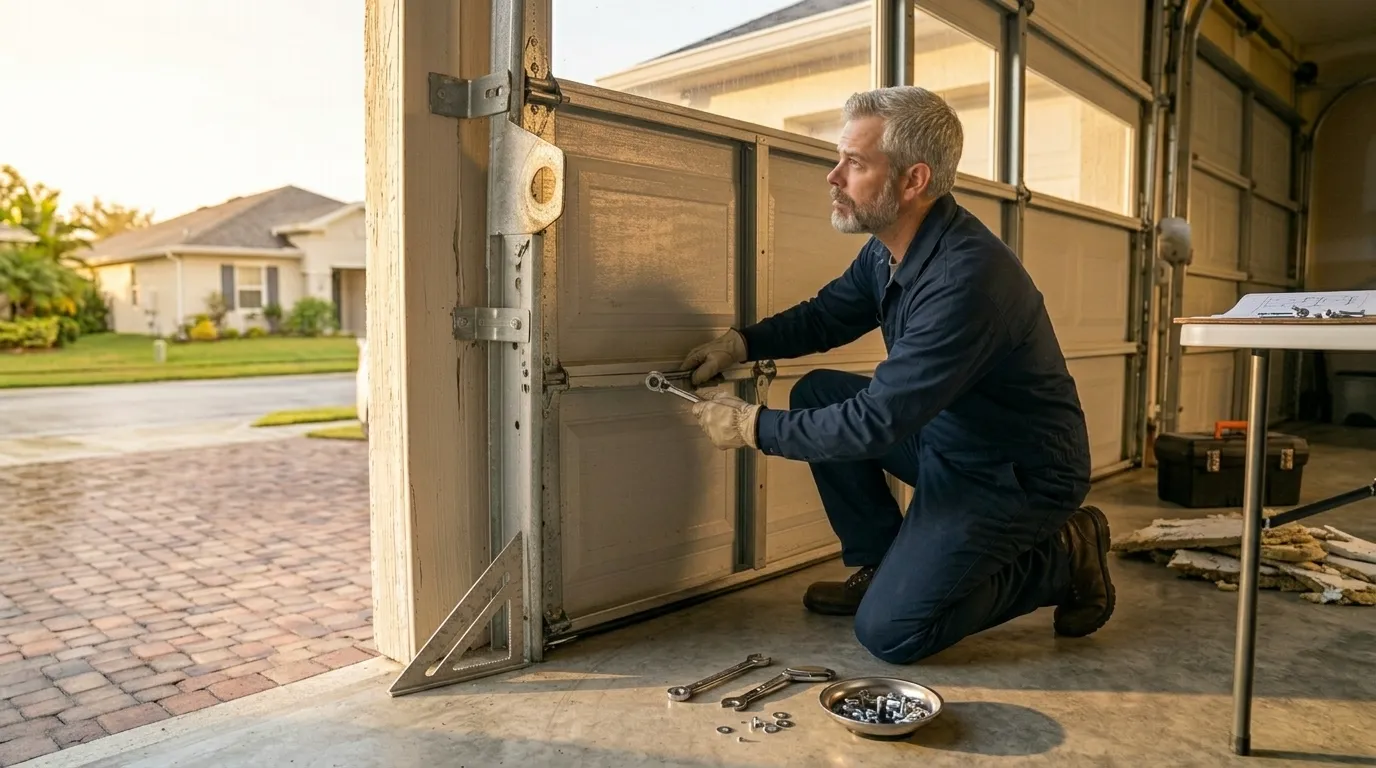
Richmond Heights' housing skews older than a lot of the surrounding suburbs - a median build year of 1947 puts a good share of these garage doors on hardware from well before the extension-spring-to-torsion-spring shift became standard, or on early torsion setups with narrower shafts than what's sold today. That means bearing plates, end brackets, and even the drums themselves sometimes need adapting rather than a straight swap. It's also a cold-climate region, and repeated freeze-thaw cycling stiffens old grease in bearings and drum cones, which puts extra strain on a spring that's already near the end of its life - so a spring that failed here may have been failing slowly for a winter or two before it snapped.
None of this makes the repair impossible; it just means the first ten minutes on site are diagnosis, not just unscrewing a bracket. We'd rather spend that time up front than come back a second time for a part we should have caught the first visit.
Stocked Parts
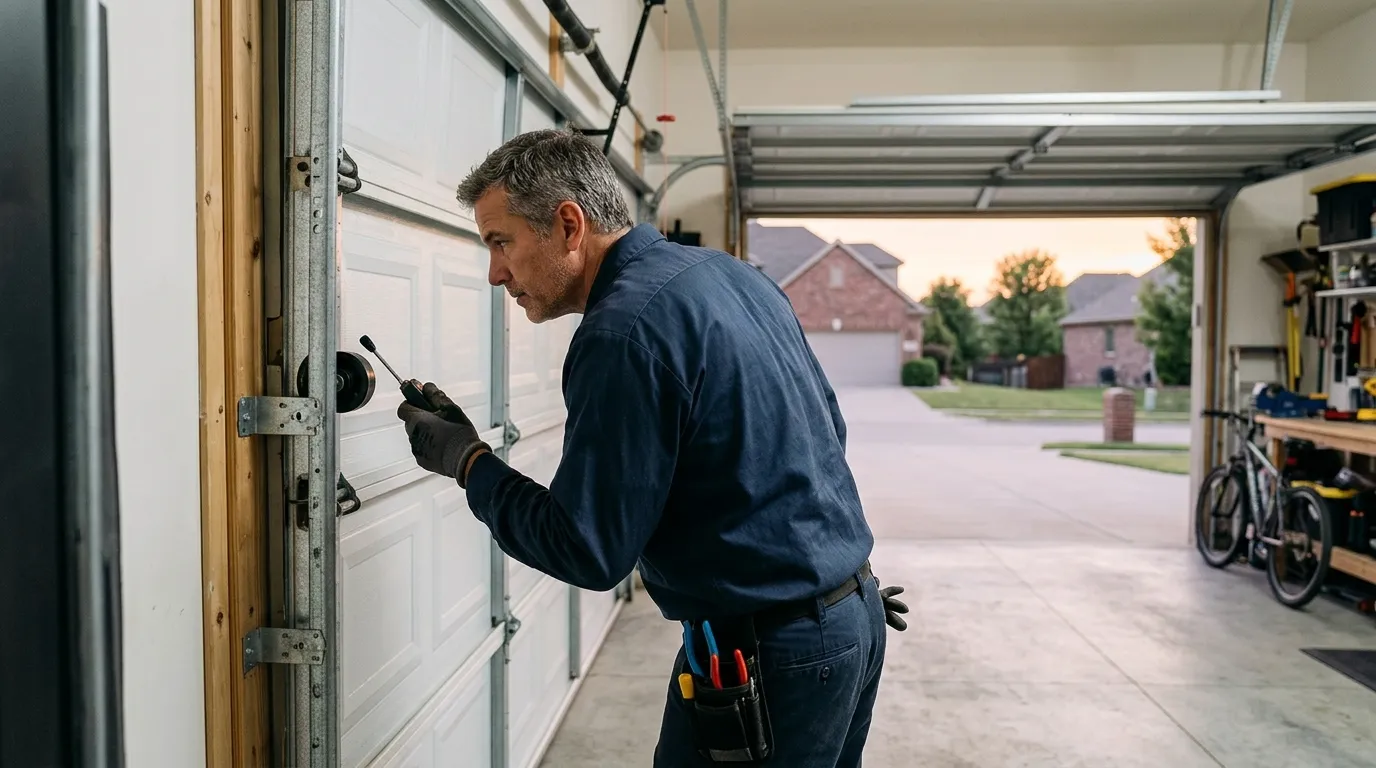
The truck carries common torsion spring sizes, standard cables, and the bearing and drum hardware that fits most doors from the 1960s through today - which covers the bulk of the wider service area's stock, given the region's median build year sits around 1967. Richmond Heights runs older on average, so some jobs need a shaft bushing or an end bearing plate that isn't a same-day item; we'll say so on site rather than force a part that doesn't fit.
What we don't stock is anything custom-milled or a full replacement door - that's a different job with a longer lead time, and we'll tell you plainly when a spring fix isn't the right call because the track or panels are too far gone to be worth saving. Honest limitation aside, the spring itself, the part that actually fails most often, is almost always on the truck the day we show up.
Talk to a Richmond Heights Technician First
Describe what the door is doing and get a straight answer on what it likely needs.
Other Garage Door Services in Richmond Heights
Recent Work in Richmond Heights
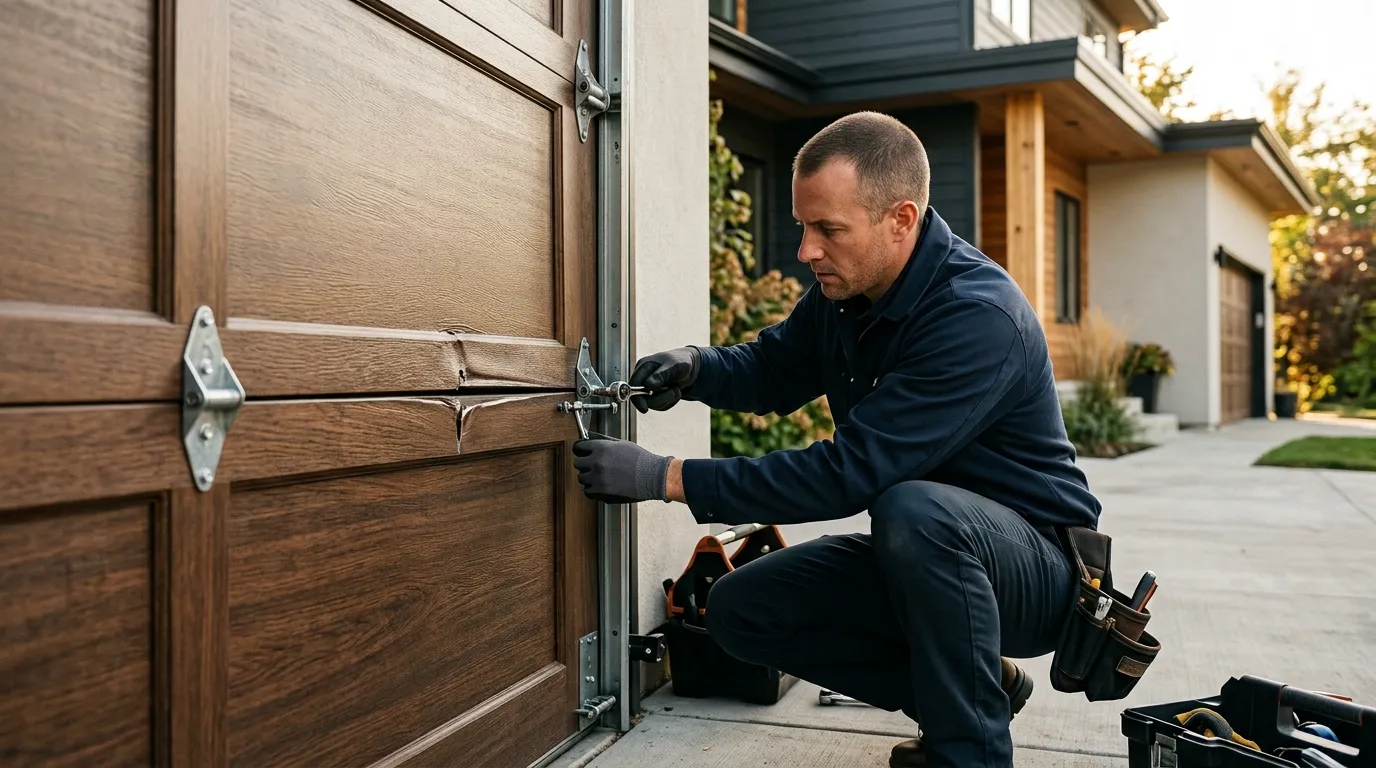
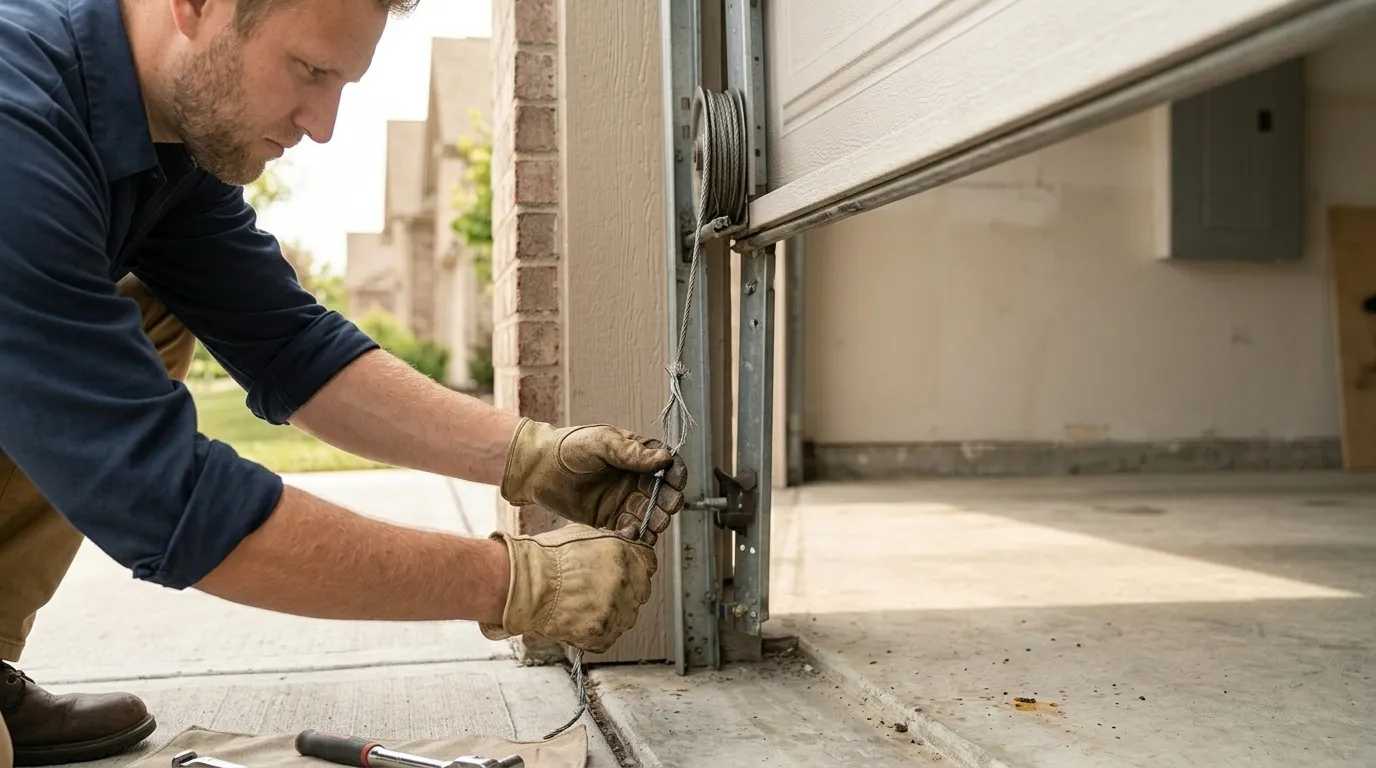
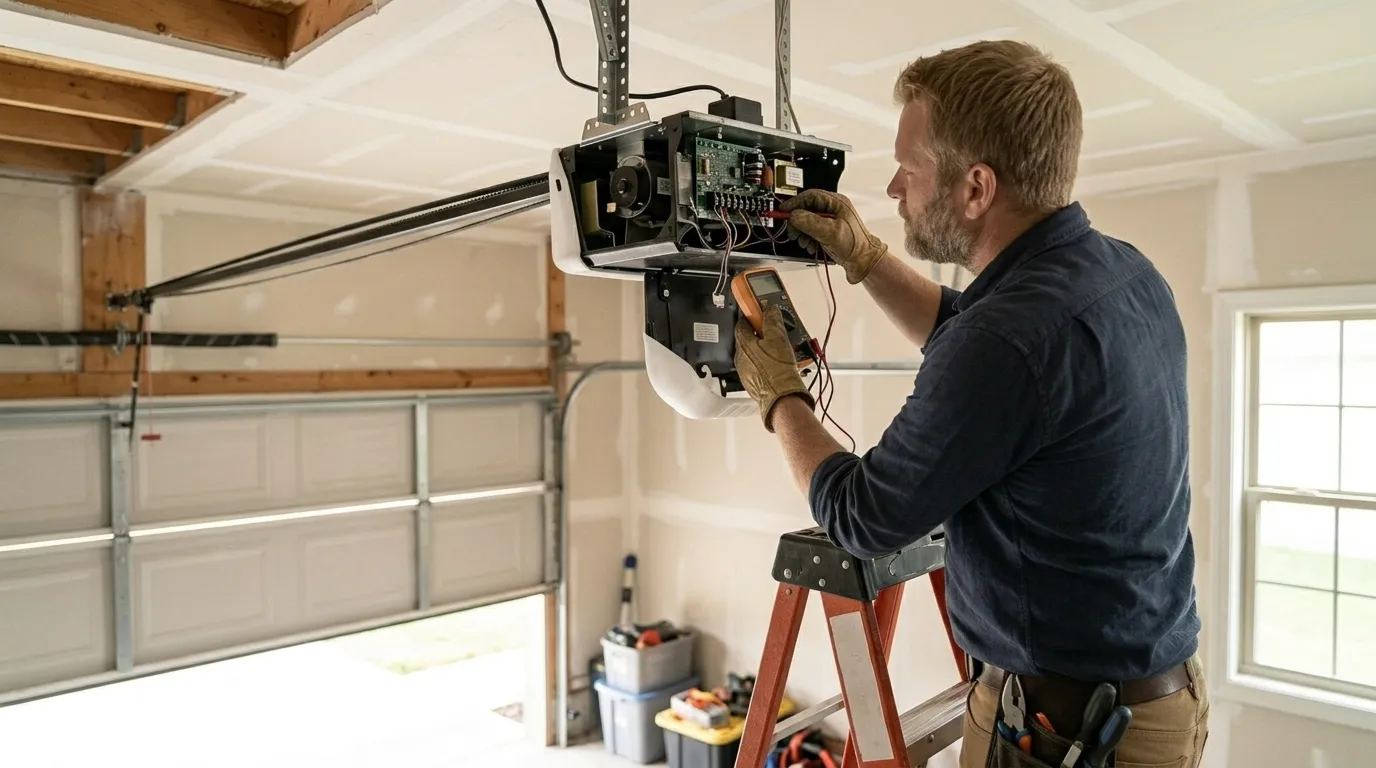
A look at jobs our crew has been on nearby.
Why Richmond Heights Calls Us
Frequently Asked Questions
Is it cheaper to fix the spring or replace the whole door in Richmond Heights?
For nearly all spring failures, repair is the right call - the spring is a small part of a full door's cost. Given the median household income here runs $90,670, most owners choose the repair unless the track, panels, or opener are also failing. We'll tell you straight if your door has passed that point rather than sell you a spring you don't need.
How far out is Richmond Heights from your base?
About 5 miles from St. Louis, where the truck runs from. There's no separate branch in Richmond Heights - it's covered on the regular metro route alongside the other nearby suburbs.
Why does my older Richmond Heights house need special spring hardware?
A lot of homes here date close to 1947, older than the region's overall median build year of 1967. That means some doors have shaft, bearing, or drum sizes that predate current standard hardware, so a straight off-the-shelf swap doesn't always fit without an adapter part.
Can I replace a torsion spring myself?
We don't recommend it. A wound torsion spring holds enough force to cause serious injury if a winding bar slips or the cone shifts. You can safely check whether you have one spring or two and whether the coil looks broken, but the winding itself should be left to someone doing it regularly.
Need Spring Repair in Richmond Heights?
Call now for straight answers on cost and timing.