
New Door Installation in Clayton
New Garage Door Installation for Clayton's 1950s Housing Stock
Clayton homes date to around 1953, older than the area median. See what that means for a new garage door install, from jamb condition to sizing.
- Licensed & Insured
- Same-Area Service Calls
- Upfront Pricing
What Happens When You Call
-
1
Call or Request a Quote
Tell us what the door is doing and roughly how old the house is - that alone points us toward the likely part before a truck leaves.
-
2
On-Site Diagnosis
A tech checks the spring, cables, tracks, and opener in person and tells you plainly what is actually wrong.
-
3
Straight Price, No Surprises
You get a number before any work starts. It covers parts and labor, nothing added after the fact.
-
4
Fixed the Same Visit
Most repairs are done in one trip. If a part needs sourcing, we tell you that upfront instead of guessing.
Doing It Yourself
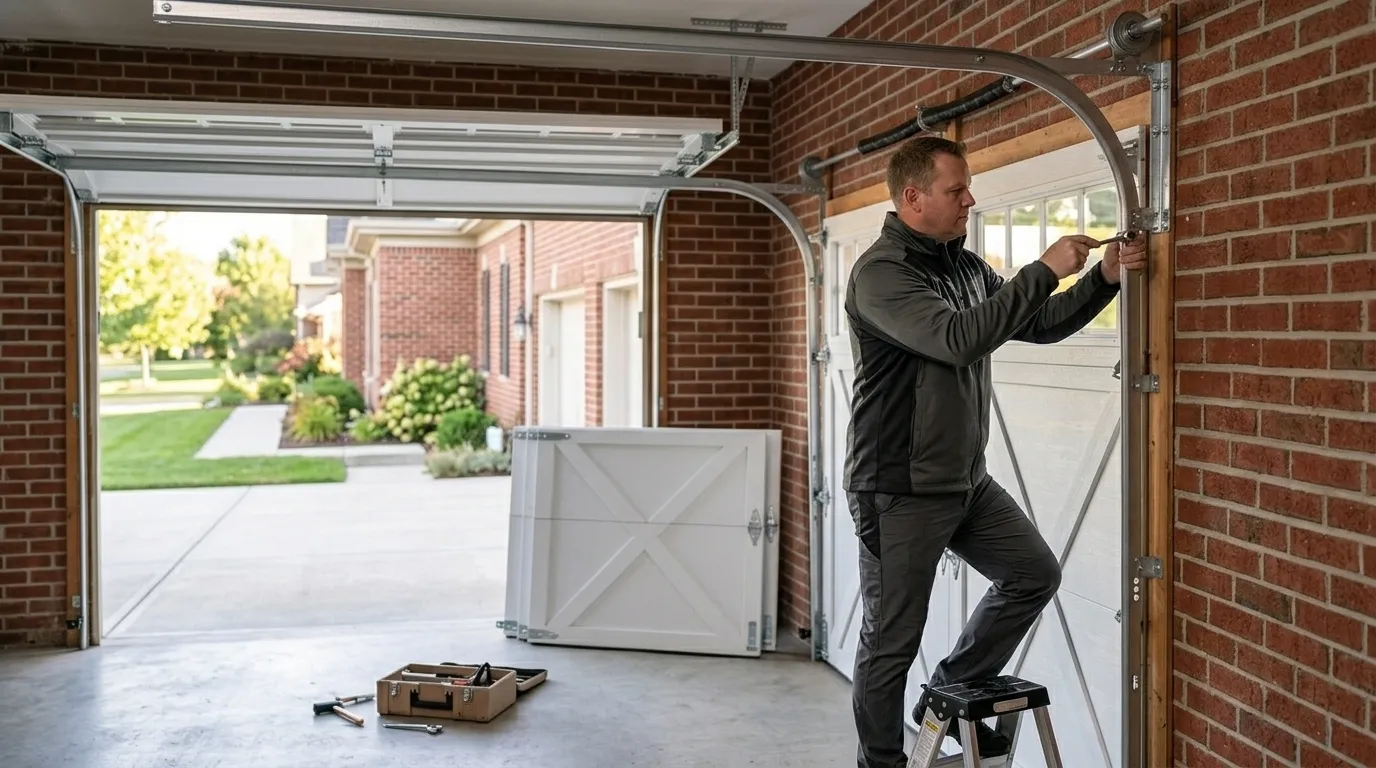
A lot of Clayton is still standing on its original jamb and header framing from around 1953, which is a full decade and a half ahead of the median build year across the rest of the service area. That matters more for installation than most people expect. A new door has to seat against that original wood, and after seventy years it's rarely still square.
You can buy a door kit and swap panels yourself, but setting a new door plumb against an out-of-true jamb, balancing new springs to the door's actual weight, and getting the header reinforced if the opening has settled is not a bolt-it-on job. We won't talk anyone out of trying, but we will say plainly: if the jamb is out of square by more than a small amount, a DIY install just locks in a door that binds, wears its rollers early, and fights the opener from day one. Get the opening checked before you buy the door, not after.
Booking a Visit
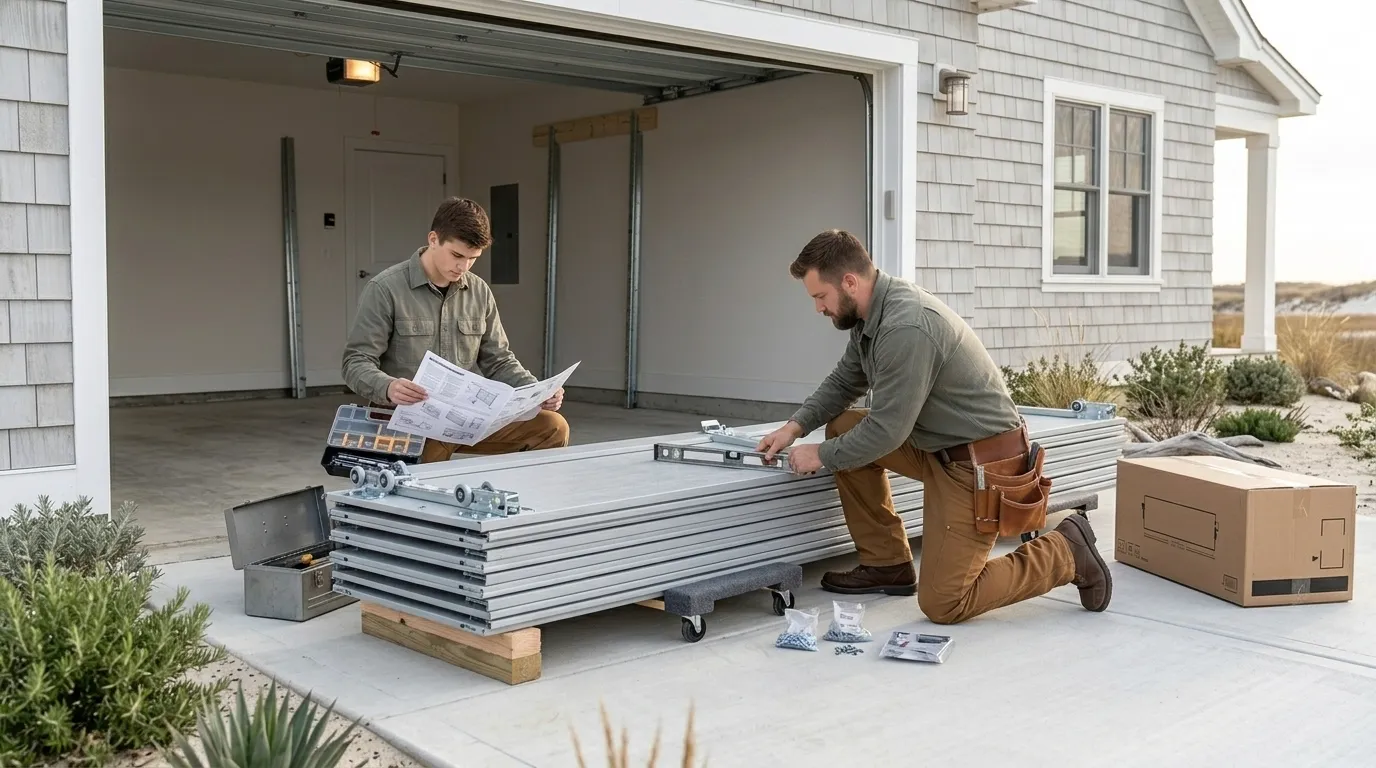
We run out of St. Louis, about 5 miles from Clayton, so a visit here is a short trip, not a special dispatch. When you call, tell us the age of the house if you know it - for a lot of Clayton that's going to be in the 1940s to early 1950s range - because that tells us before we arrive whether we're likely dealing with an original single-layer steel door on old track, or something already replaced once.
That one detail changes what we load on the truck. We'll ask about the opening's width and height too, since older Clayton garages sometimes run narrower than what newer doors are cut for by default.
How Long You Are Without the Door
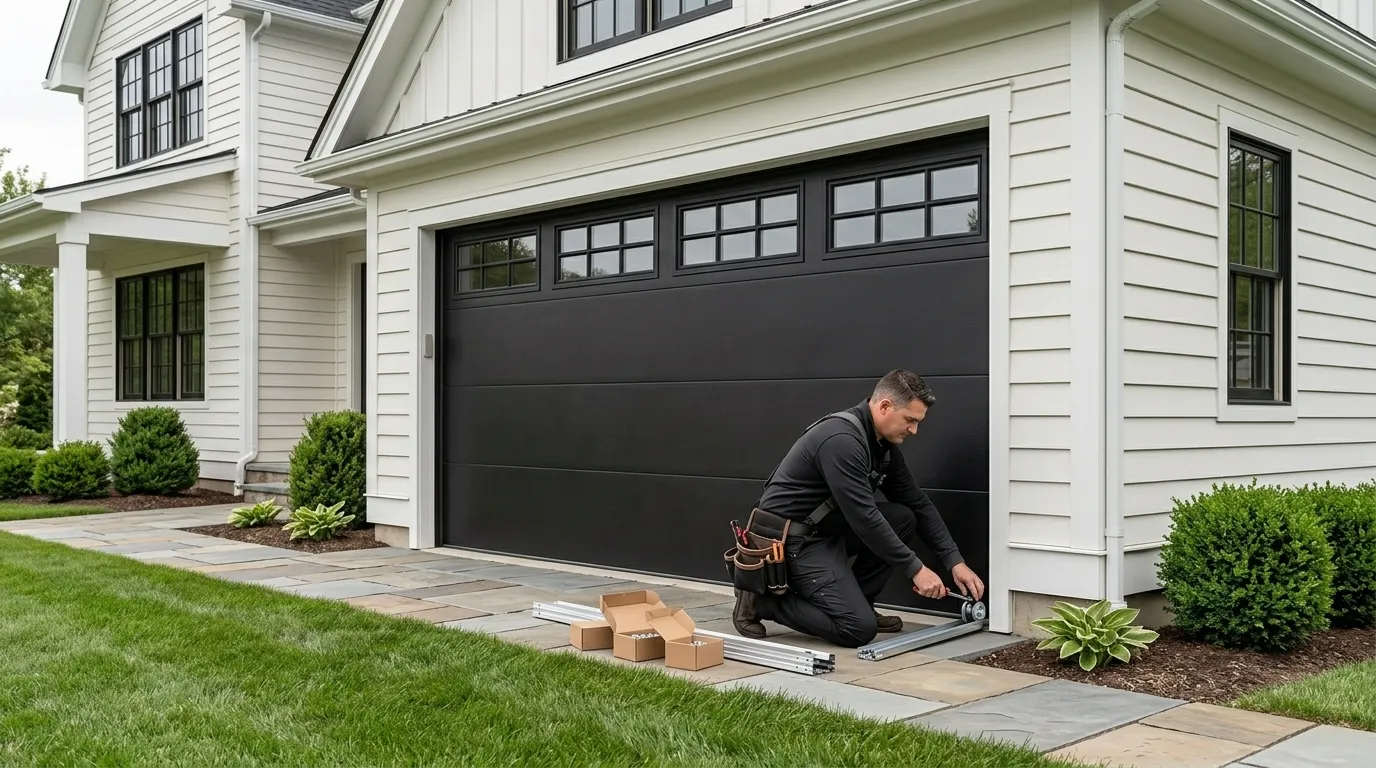
We don't have a fixed time-without-a-door figure to give you here, and we'd rather say that than guess. What we can tell you is what drives the range on an older Clayton opening: if the jamb needs shimming or the header needs a reinforcing plate before the new door goes in, that adds a step beyond a straight panel swap. Homes built to 1953 framing standards sometimes need that extra bracing where a newer opening wouldn't.
If your opening is already square and the header is sound, installation is a same-visit job. If it's not, we'll tell you on site rather than after we've started.
What the Repair Takes
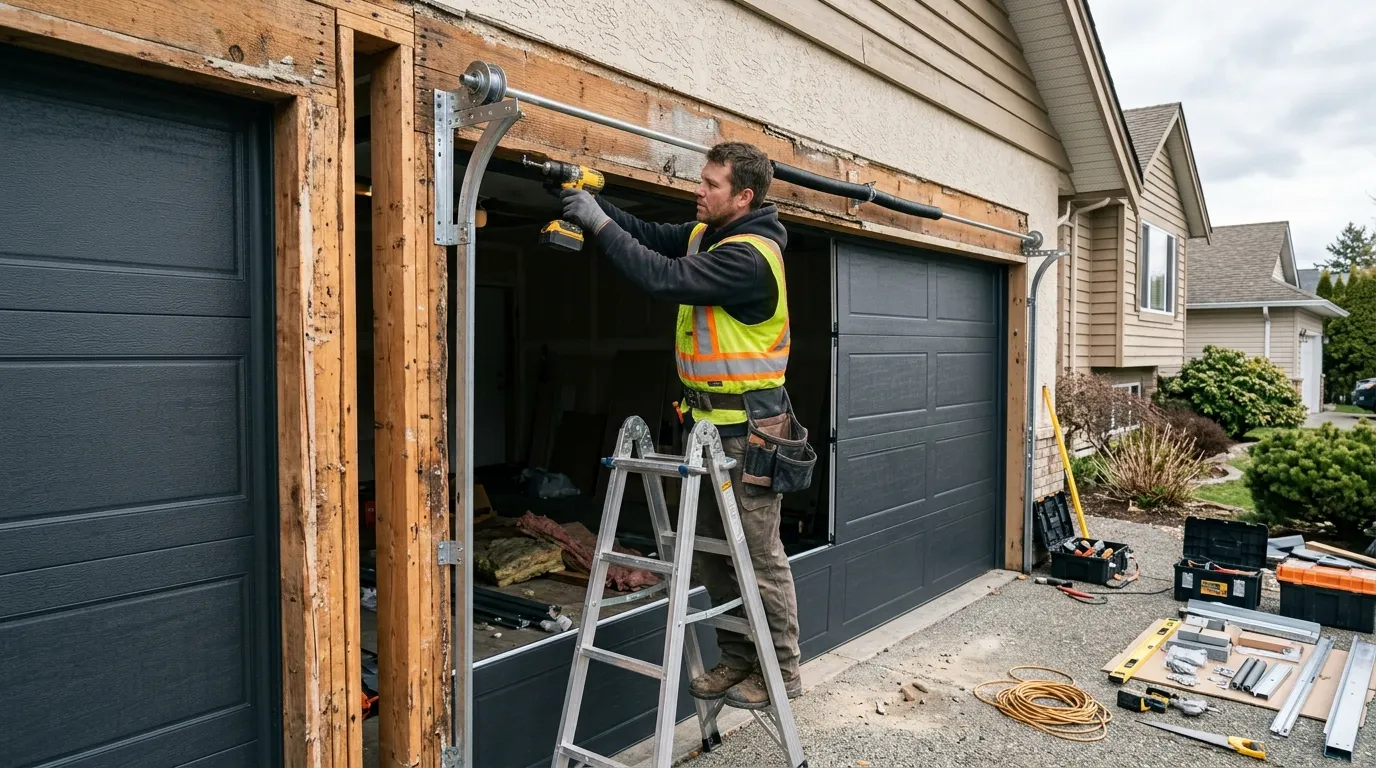
On a house from Clayton's era, the install usually starts with pulling the old track off the original jamb bolts, which are often rusted enough that they come out as a set rather than one at a time. We check the header for rot or sag before anything new goes up - a common spot for it in framing this old - and reinforce it if needed.
Given the region's cold winters, we size insulated panels rather than single-layer steel, which also cuts down the door's dead weight on the new springs. Torsion springs get set to the actual door weight, not a stock chart number, because a mismatched original opening can throw that off by a noticeable margin.
Why This Fails Locally
Clayton's median household income, at $128,898, runs well above the roughly $84,389 median across the wider service area, and that shows up in what people ask for here: insulated doors, quieter openers, and finish-grade panels rather than the cheapest option that fits the hole. But the houses themselves are older than that income level would suggest - built around 1953, versus the 1967 median across the 49 areas we cover. That combination is exactly why installs here take more care than a straight panel swap: the money is there for a good door, but the opening it has to sit in is seventy-plus years old and was never built to hold one.
The Symptom
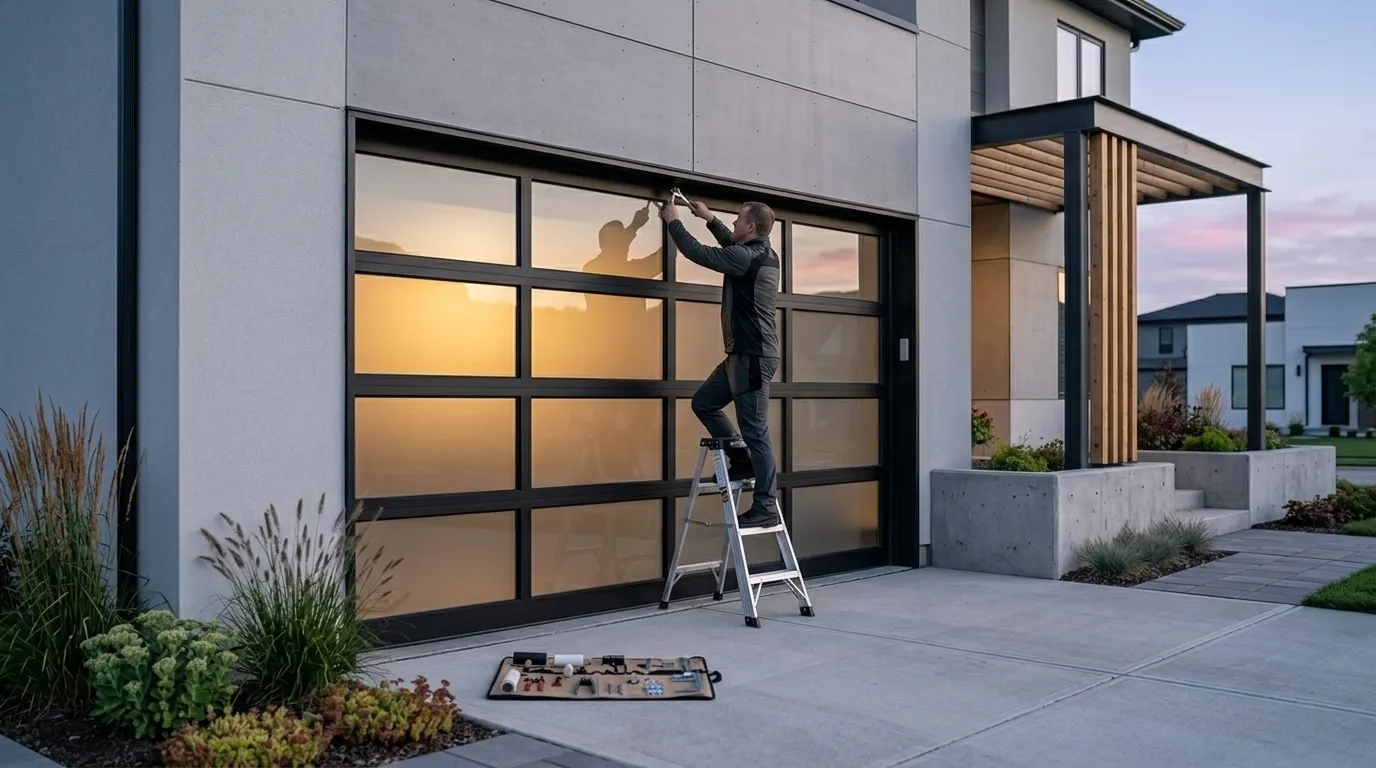
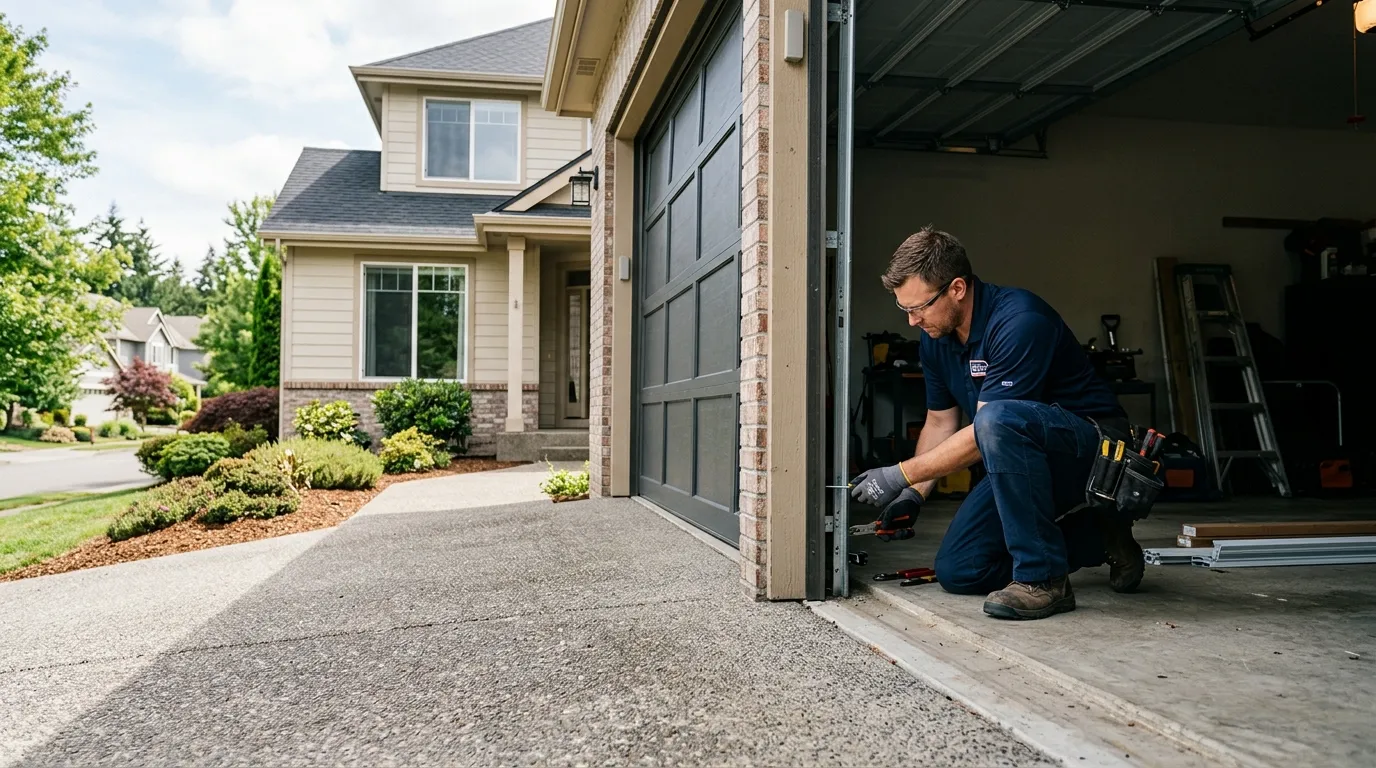
The usual sign in a Clayton garage isn't a broken spring - it's a door that's heavy, slow, and visibly out of square at the top corners, because the jamb it's mounted to has moved a little every year since 1953 and the original track was never adjusted to follow it. If your door drags on one side, or the gap at the top isn't even width all the way across, that's the framing talking, not just the door. Replacing the door without addressing that gap just moves the same problem onto new hardware.
Talk to a Clayton Technician First
Describe what the door is doing and get a straight answer on what it likely needs.
Other Garage Door Services in Clayton
Recent Work in Clayton
A look at jobs our crew has been on nearby.
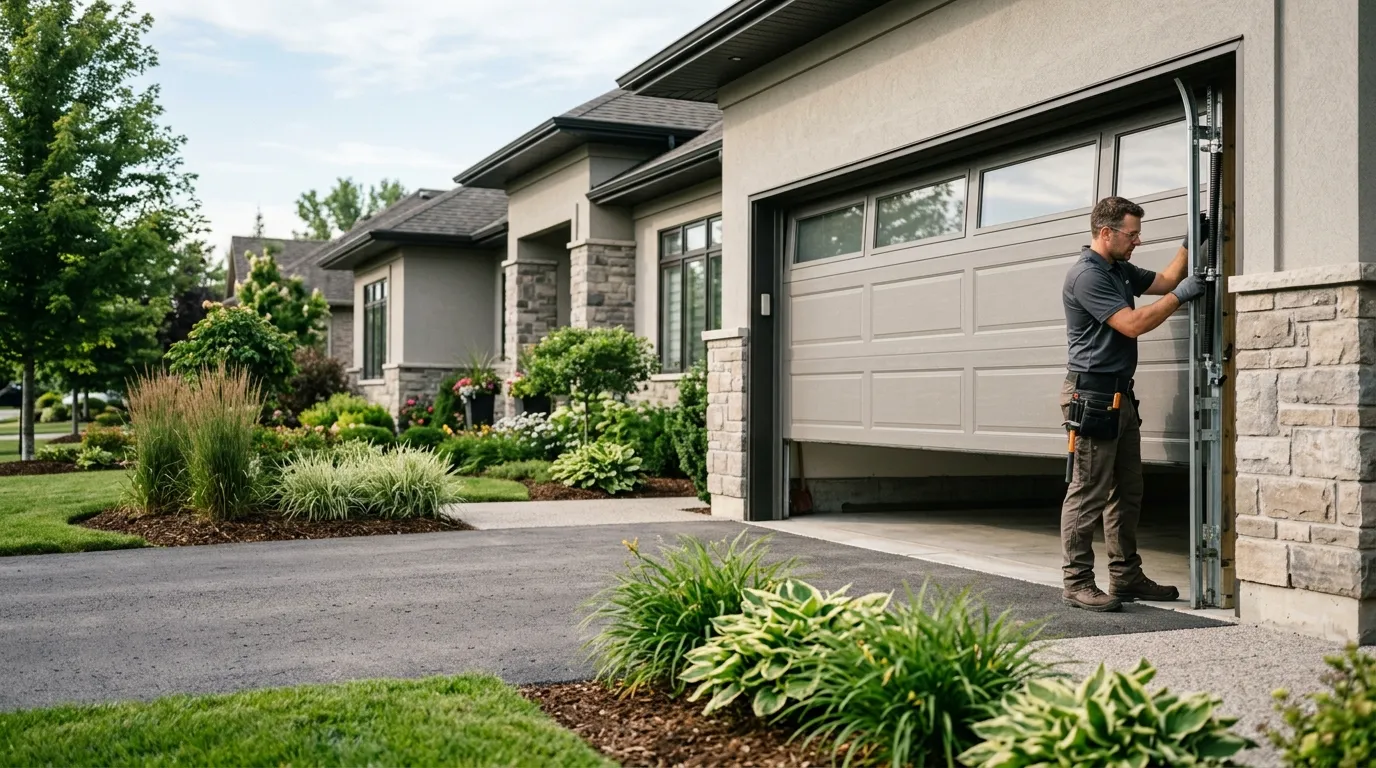
Why Clayton Calls Us
Frequently Asked Questions
Will a new door fit my original 1950s opening in Clayton?
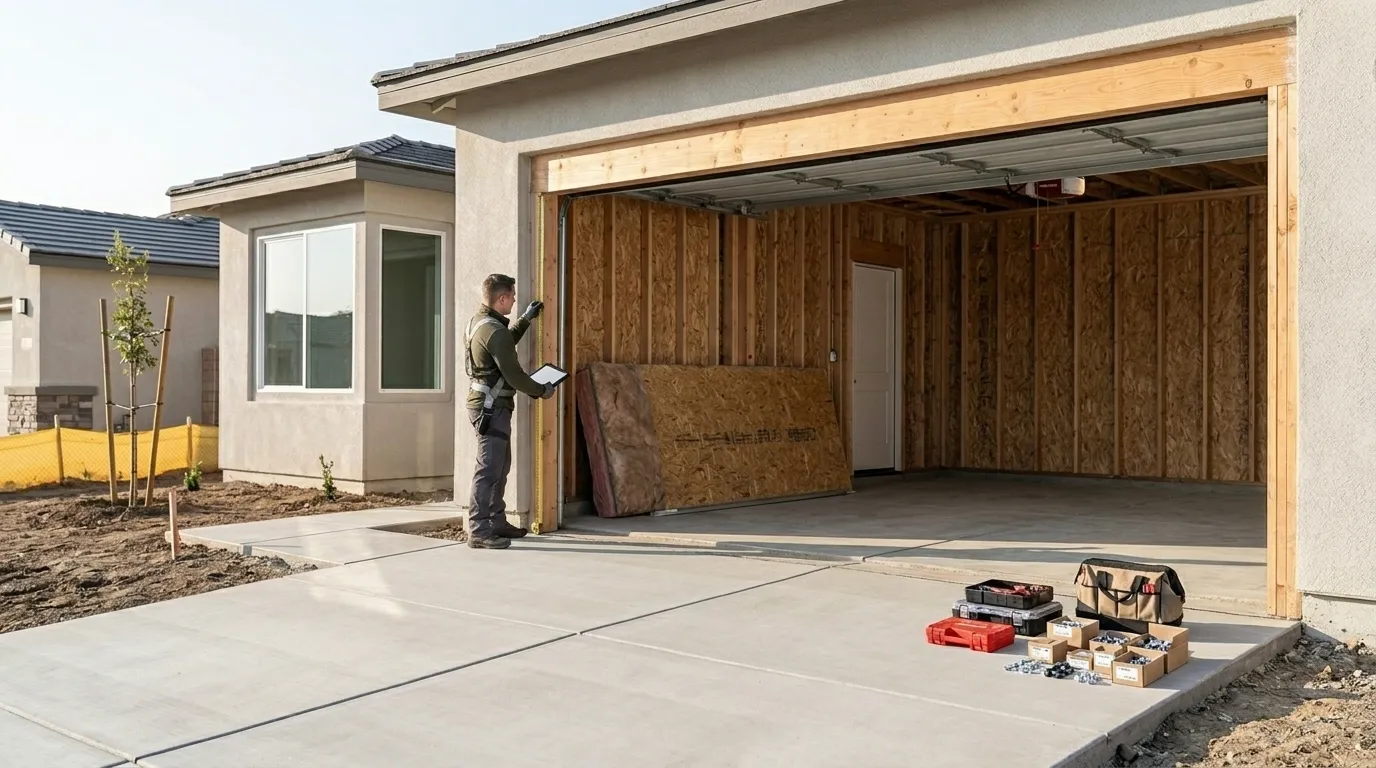
Usually, but we check first. A lot of Clayton openings from the early 1950s have settled slightly out of square, so we measure the actual opening rather than assume it matches a stock size. If the jamb or header needs shoring up, we do that before the new door goes in, not after.
Do I need an insulated door in Clayton?
We size insulated panels as the default here because of the region's cold winters, not because of anything unique to Clayton itself. It cuts heat loss into an attached garage and also reduces the dead weight the springs have to carry, which matters more on an older opening.
How far out is Clayton from your base?
We work out of St. Louis, about 5 miles away, so it's a short trip for a visit or install, not a special-case dispatch.
Need New Door Installation in Clayton?
Call now for straight answers on cost and timing.