
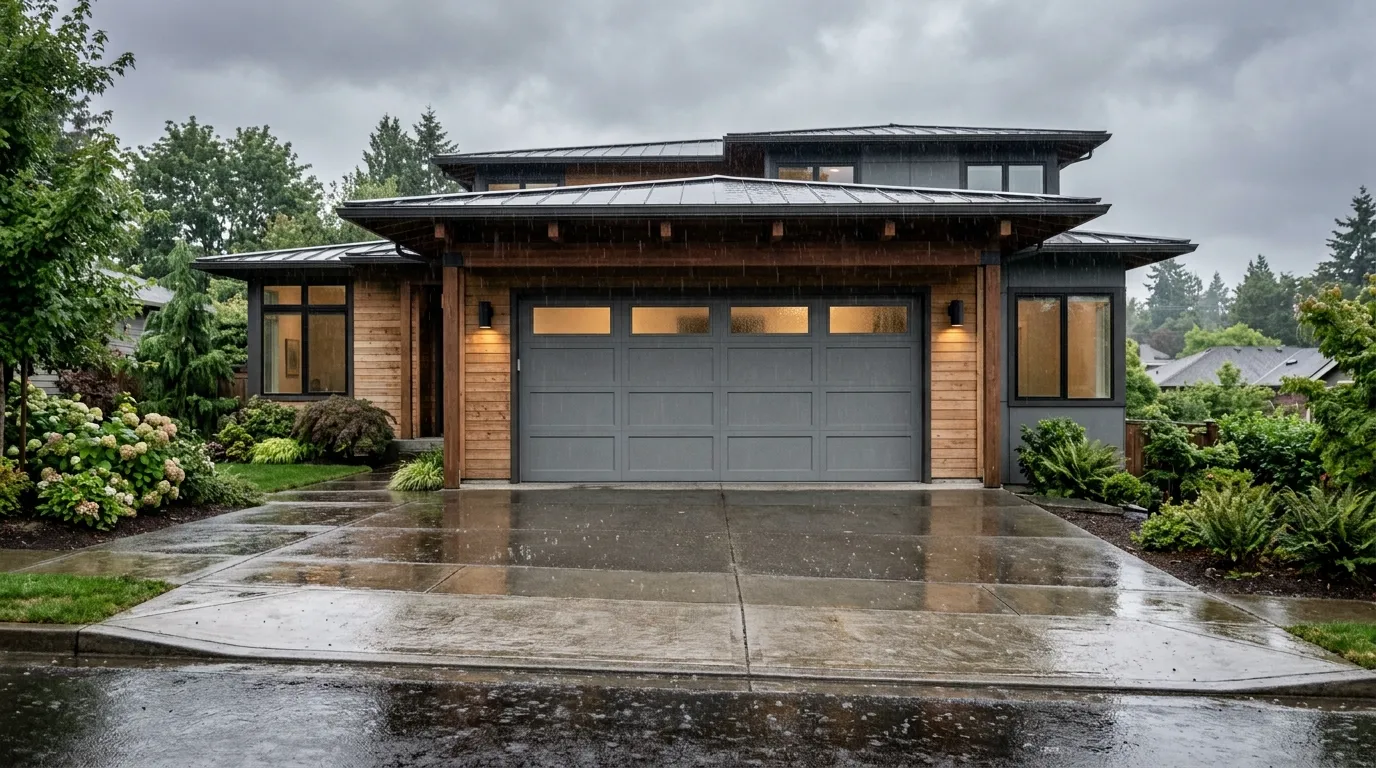
Spring Repair in Clayton
Spring Repair for Clayton's 1950s Garage Doors
Clayton homes built around 1953 carry original torsion hardware most shops don't stock. Here's what a spring repair actually involves at this income level and housing age.
- Licensed & Insured
- Same-Area Service Calls
- Upfront Pricing
What Happens When You Call
-
1
Call or Request a Quote
Tell us what the door is doing and roughly how old the house is - that alone points us toward the likely part before a truck leaves.
-
2
On-Site Diagnosis
A tech checks the spring, cables, tracks, and opener in person and tells you plainly what is actually wrong.
-
3
Straight Price, No Surprises
You get a number before any work starts. It covers parts and labor, nothing added after the fact.
-
4
Fixed the Same Visit
Most repairs are done in one trip. If a part needs sourcing, we tell you that upfront instead of guessing.
Doing It Yourself
At a median household income of $128,898, the math on a broken spring in Clayton isn't about whether you can afford the fix - it's whether you should be the one doing it. A torsion spring under full tension can put someone in the ER faster than almost anything else in a garage. YouTube videos make winding a spring look like turning a bolt.
It isn't. The bar, the winding cone, the vise grips holding tension while you work - one slip and the bar becomes a whip.
We're not going to pretend there's nothing a homeowner can do. You can check whether the door is binding on a bent track, whether a cable has frayed at the drum, or whether the opener is straining because the spring lost tension gradually rather than snapping.
Those are diagnostic steps, not repairs. If you own a home built in the early 1950s, as much of Clayton's stock is, there's a decent chance the spring and drum setup on your door predates the standardized parts most trucks carry today, which is one more reason to call before you start turning anything.
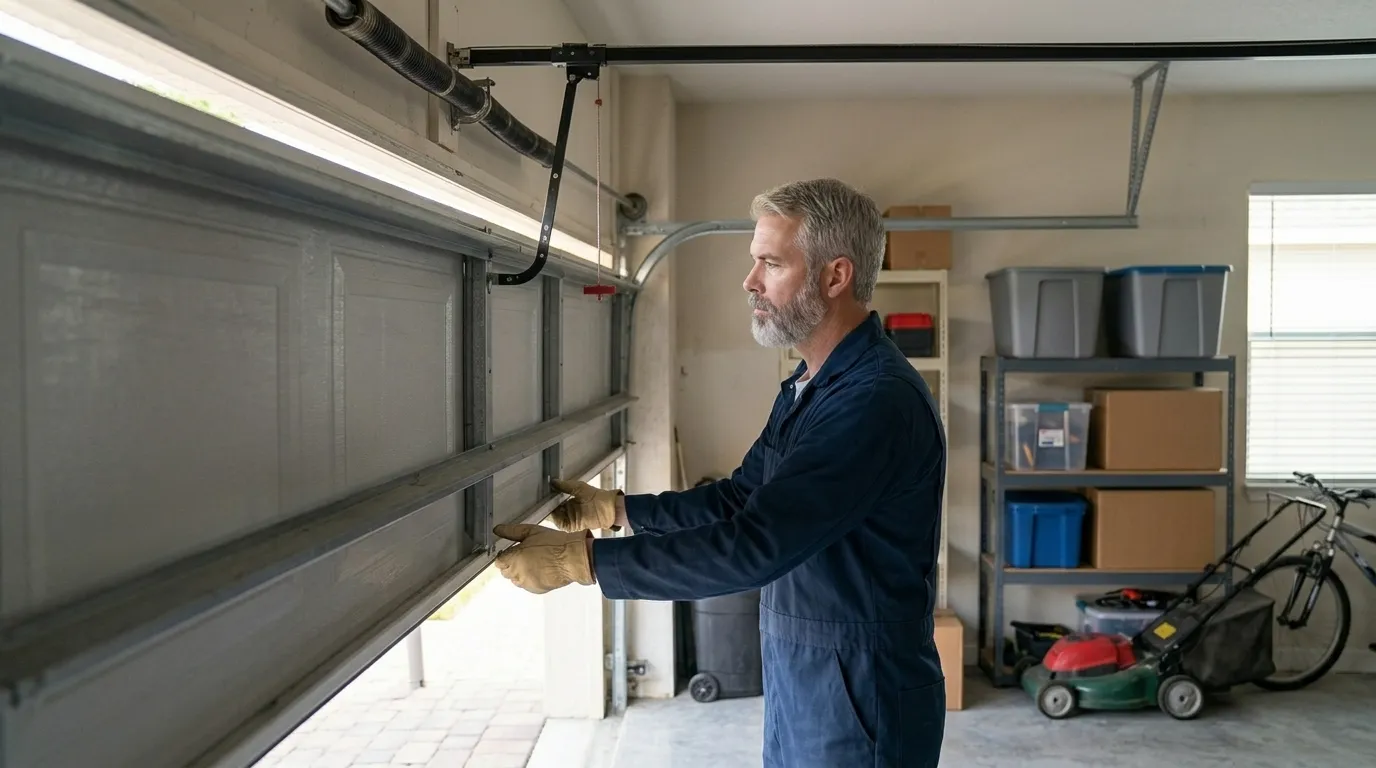
Booking a Visit
We work Clayton from St. Louis, about 5 miles out, so there's no local branch to walk into and no in-town response time to promise - just a truck that comes from town over.
When you call, tell us the age of the house if you know it, whether it's a single or double door, and whether the spring broke suddenly or the door's been getting heavier to lift for weeks. That last detail matters more than people think, because a spring that's slowly losing tension is a different job than one that's already snapped.
We don't quote a price over the phone sight-unseen, because a door built when your neighborhood's houses went up - most around 1953 - can have hardware that changes the job. What we can tell you before we get there is whether it sounds like a straightforward spring swap or something that needs a look at the drums and cables too.
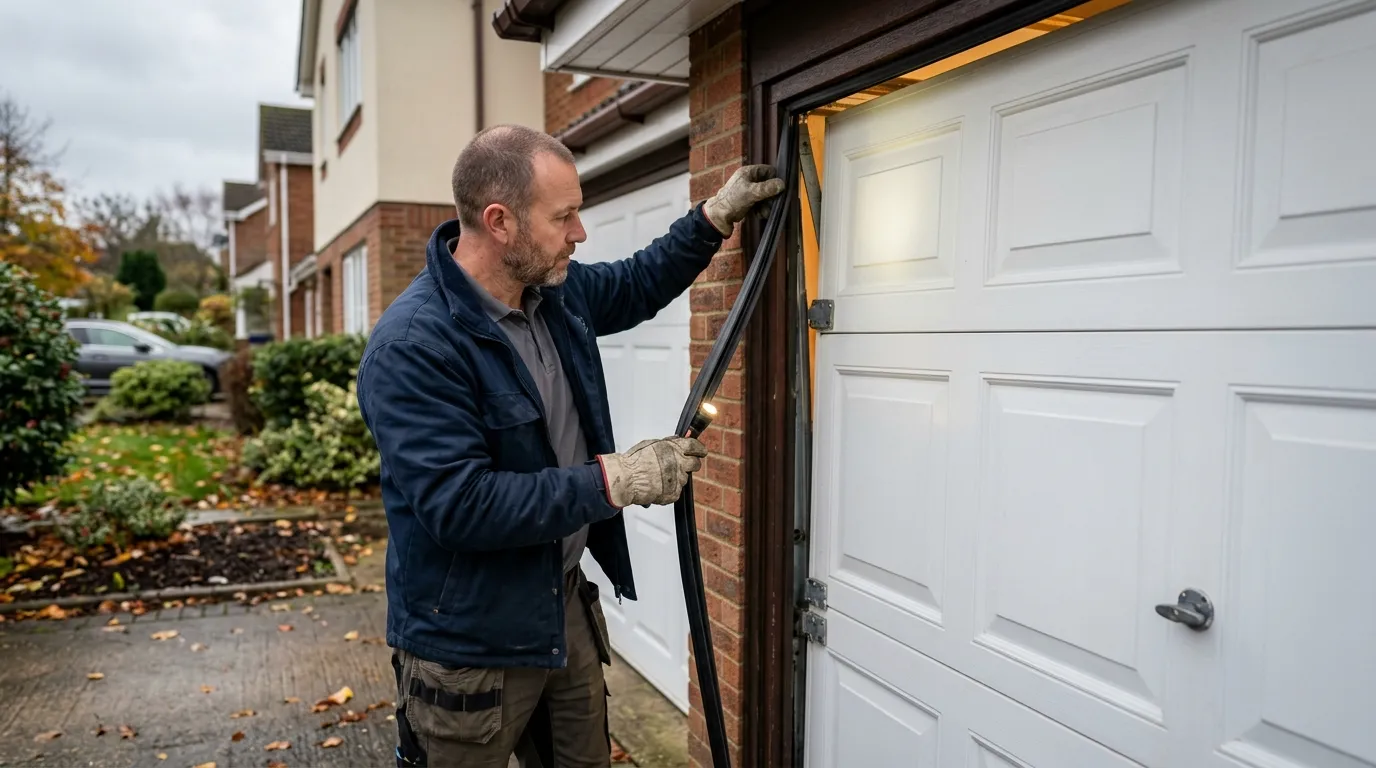
How Long You Are Without the Door
A single broken torsion spring on a properly maintained door is usually a same-visit fix once the truck is on site - the tech pulls the old spring, sizes and installs the replacement, and checks the balance before leaving. What stretches the visit is what's underneath it: if the drums are worn, if the cable's frayed at the same time the spring went, or if the door is original to a house from the early 1950s and running hardware nobody's made in decades, the tech may need to source a part rather than pull it off the truck.
We won't tell you every Clayton job wraps in an hour, because it depends on what's actually failed and how old the rest of the hardware is. What we will say is that a snapped spring on its own, caught before it takes the cable or drum with it, is the fastest of these repairs - not the slowest.
What the Repair Takes
A standard torsion spring repair means removing the old spring from the shaft, matching the new one to the door's weight and wind pattern, and re-tensioning it so the door lifts evenly on both sides. On a double door, that's usually two springs working together, and replacing only one throws the balance off - most jobs on double doors mean both springs get swapped even if just one broke.
Given that a large share of Clayton's houses were built around 1953, older than the areawide median of 1967 across the wider service territory, some of these doors still run on hardware sized for lighter, older panel doors rather than the heavier insulated doors many owners have swapped in since. That mismatch is common enough that we check the door's actual weight against the spring's rating before calling the job done, rather than assuming the existing spring size was ever correct to begin with.
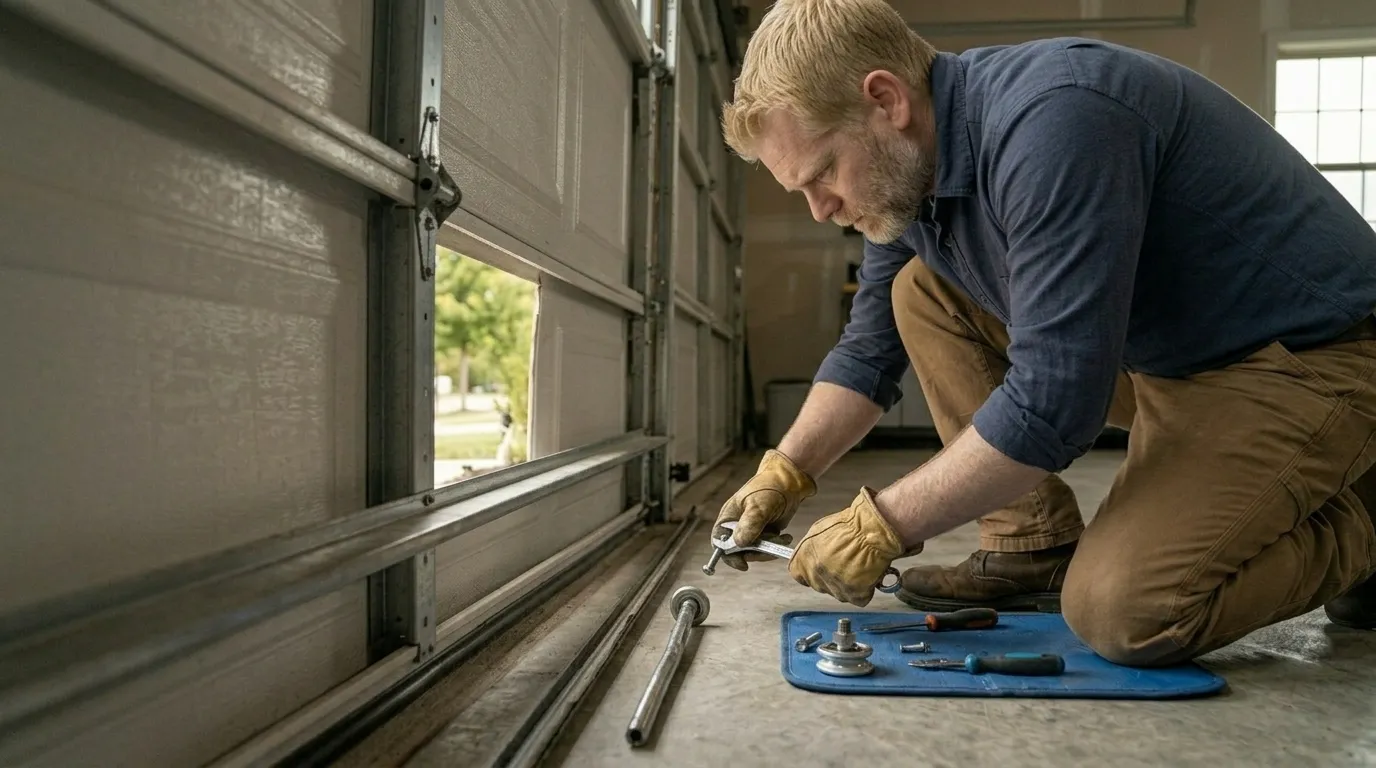
Why This Fails Locally
Springs fail from cycle count and from cold. St.
Louis sits in a moderate cold climate band, and steel loses some flexibility as temperatures drop, which is part of why late-winter mornings see more snapped springs than mild ones. That's true anywhere in this climate, not unique to Clayton - but the age of the housing stock is.
Homes here going up mostly in the early 1950s means the springs in a lot of these garages have been through decades of temperature swings on hardware that was never upgraded past whatever the original builder specified. A spring rated for a 1953 lightweight door, still doing that job seventy-some years later on the same shaft, is running well past any reasonable service life regardless of the weather. Combine an aging spring with a cold snap and the failure point comes faster than it would on newer hardware.
The Symptom
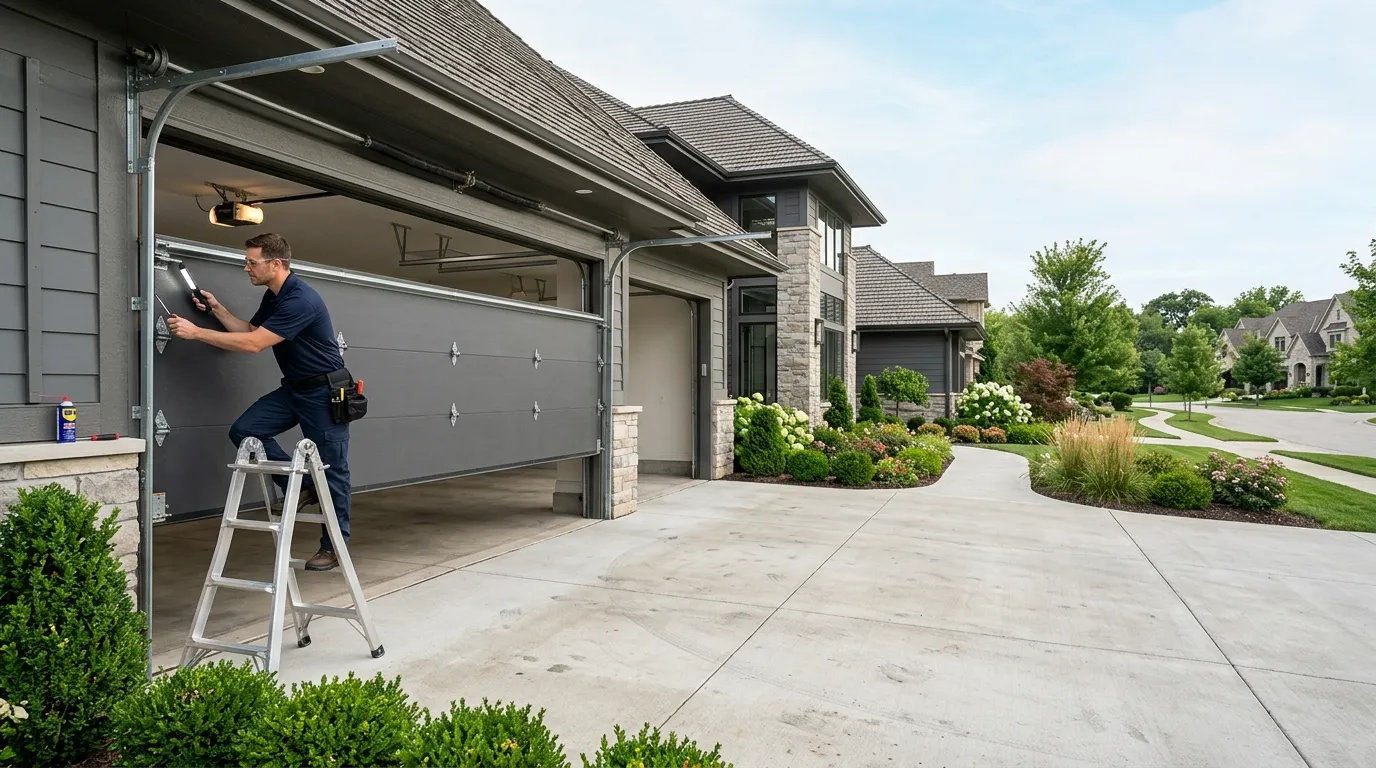
The clearest sign is the door that won't stay up on its own, or drops fast the last foot before it hits the floor - that's a spring that's lost tension, not an opener problem. A loud bang from the garage, especially in the morning, is usually the spring itself letting go. If the door feels twice as heavy to lift by hand as it used to, the spring is going even if it hasn't fully broken yet.
One thing we won't do is tell you every heavy door needs a new spring. Sometimes it's a track that's bent slightly and binding, or rollers that have worn out and are dragging. A spring repair on a door that actually has a track problem fixes nothing and costs money for no reason - that's the honest limitation here, and it's worth a five-minute look before assuming which part failed.
Talk to a Clayton Technician First
Describe what the door is doing and get a straight answer on what it likely needs.
Other Garage Door Services in Clayton
Recent Work in Clayton
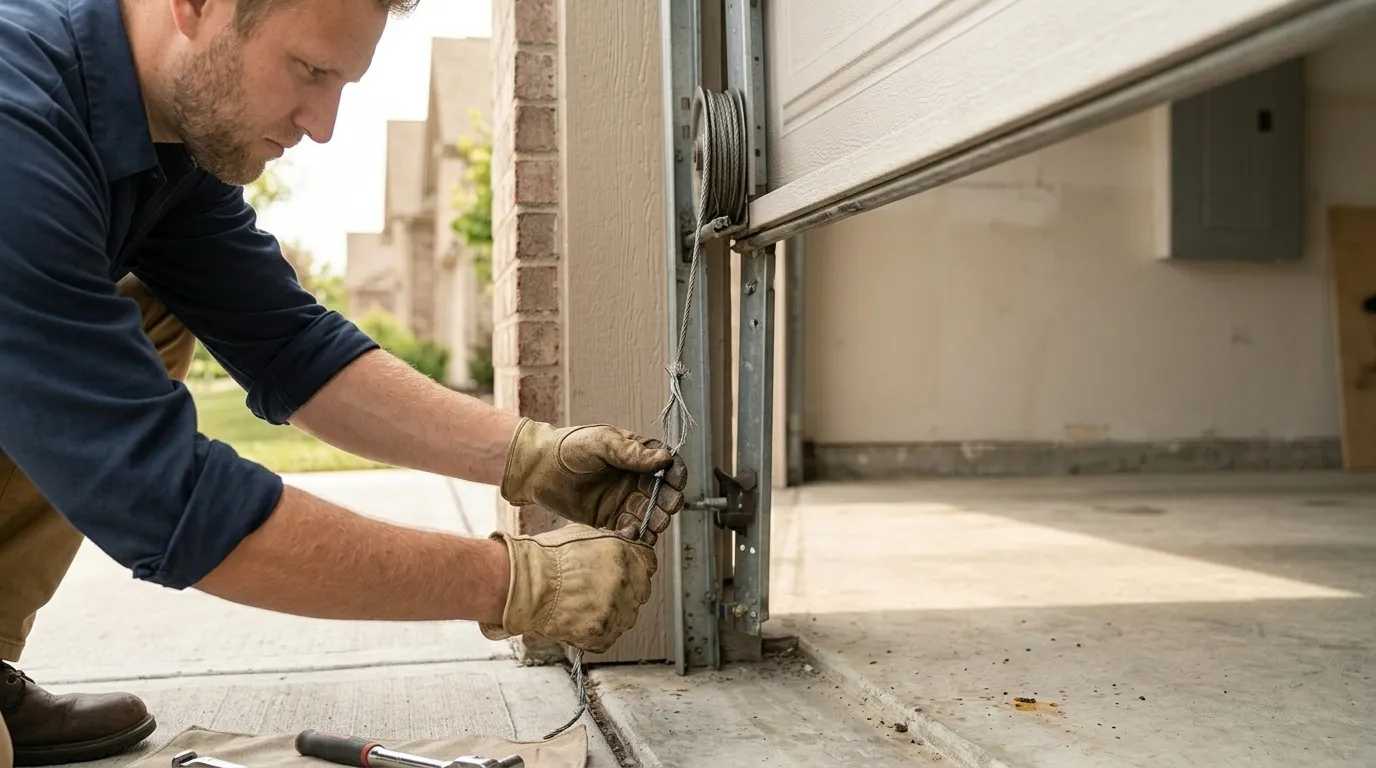
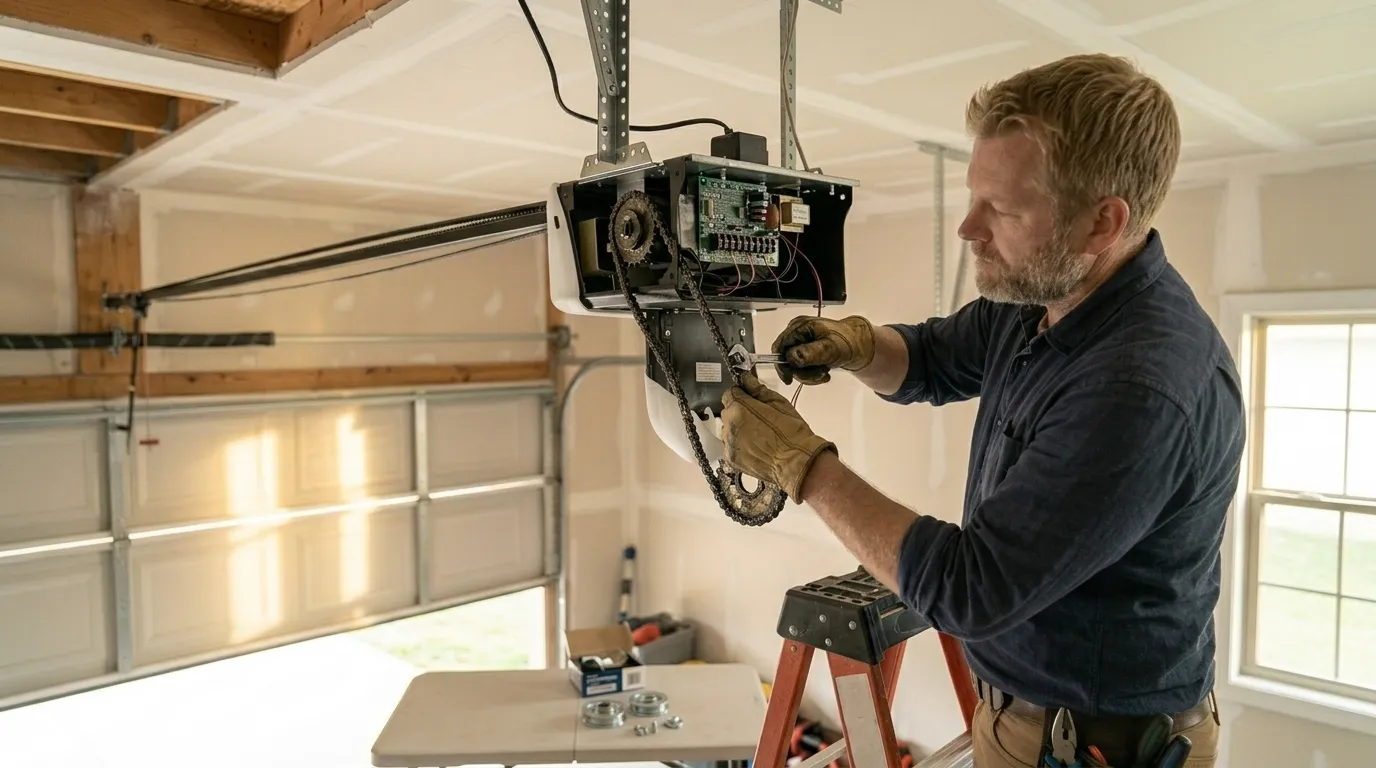
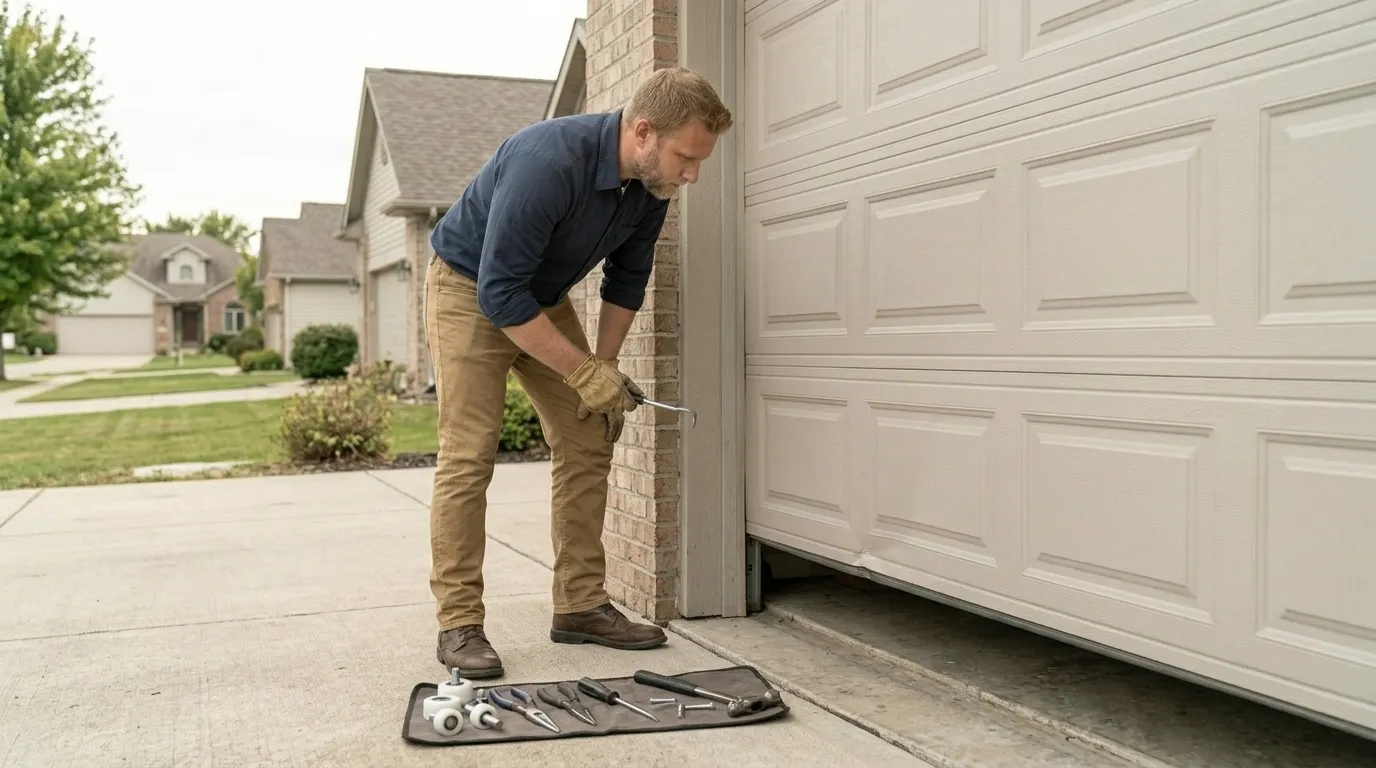
A look at jobs our crew has been on nearby.
Why Clayton Calls Us
Frequently Asked Questions
How much does spring repair cost in Clayton?
We don't quote a flat price without seeing the door, since spring size, door weight, and whether both springs need replacing on a double door all change the cost. Call and describe the door - single or double, how old the house is, how the spring failed - and we can give you a closer range before the truck comes out.
Is my Clayton garage door too old for a standard spring?
Possibly. A lot of Clayton's housing went up around 1953, and doors that old sometimes run spring and drum hardware sized differently than what's common now. We check the door's actual weight against the spring rating on site rather than assuming a modern replacement part fits without adjustment.
Do you have a branch in Clayton?
No. We run this area from St. Louis, about 5 miles away. There's no local depot to call ahead of the truck, just a scheduled visit from our St. Louis team.
Can a broken spring damage the opener?
Yes. If the spring snaps and the opener keeps trying to lift the door without spring assistance, it strains the motor and gears well beyond what they're built for. That's why we tell people to stop using the opener the moment a door feels heavy or won't stay up, rather than forcing it through a few more cycles.
Need Spring Repair in Clayton?
Call now for straight answers on cost and timing.