
Nearby Community
Garage Door Work for Crestwood's 1960s Housing Stock
Crestwood homes date mostly to 1960, meaning original torsion hardware on many doors. We travel from St. Louis for spring, opener, and panel repairs built for that era.
- Licensed & Insured
- Same-Area Service Calls
- Upfront Pricing
The Houses Here
Crestwood sits about 9 miles from St. Louis, and the houses here mostly date to right around 1960 - smack in the middle of the broader 1947-to-1990 building wave that shaped this whole part of the metro. That matters more than it sounds like it should.
A house built in 1960 was framed for a garage door and opener that nobody manufactures anymore. The header height, the track clearance, the way the spring anchors to the wall - all of it was sized for hardware that's been out of production for decades.
With roughly 4,875 households in Crestwood, a lot of these are still running original or near-original torsion setups, sometimes with a replacement door bolted onto old track because a full swap felt like more than the job needed. That's not a knock on anybody - it's just what happens when a neighborhood's housing stock is this consistent in age. The wiring for openers, if it's been added later, is often run in ways that weren't part of the original build, which is its own set of quirks when a spring or sensor needs work.
We don't know the build year of your specific house - the 1960 figure is a median across the area, not a promise about your driveway. But if your door still has the look and feel of something from that era, you're not imagining it.
How Soon We Can Come Out
We're based out of St. Louis and drive out to Crestwood, which is about 9 miles from our shop.
We don't keep a truck stationed in Crestwood and we're not going to tell you a window we can't back up - how soon we get to you depends on the day, the job ahead of yours, and where our trucks already are. What we can say is that the distance itself isn't the obstacle; it's a short, ordinary drive, not a cross-county haul.
If your spring snaps on a Tuesday morning, call and we'll tell you honestly where you land in the schedule that day. We'd rather give you a real answer than a marketing one.
What We Do Most in This Area
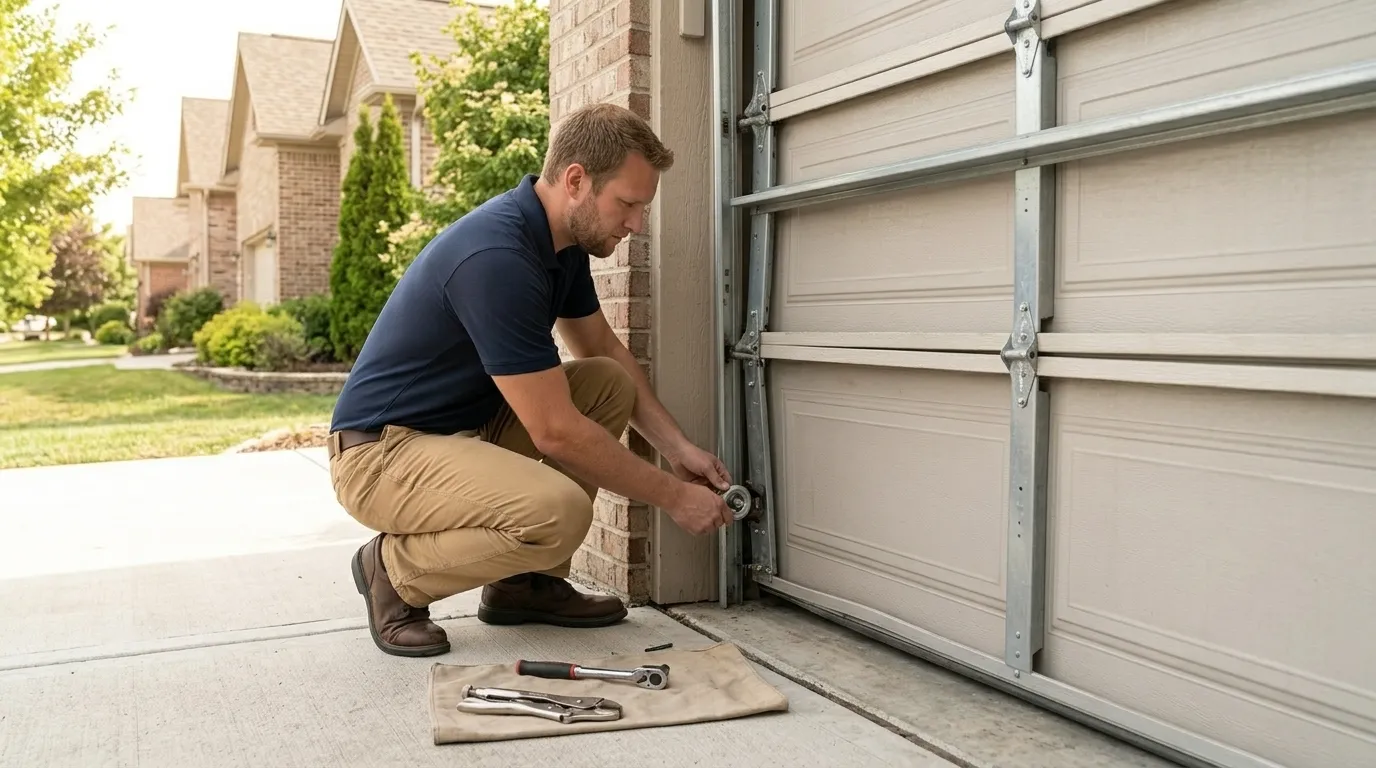
Given how many Crestwood garages are running hardware from the 1960s build era, the most common calls we get from this part of the service area are torsion spring replacements on doors that were never upgraded to modern safety cable setups, and opener swaps where the original chain-drive unit has just worn out after decades of use. St. Louis's cold winters put real cycle stress on steel springs - the metal contracts, lubrication thickens, and a spring that's been fine for years will let go on a cold morning without much warning.
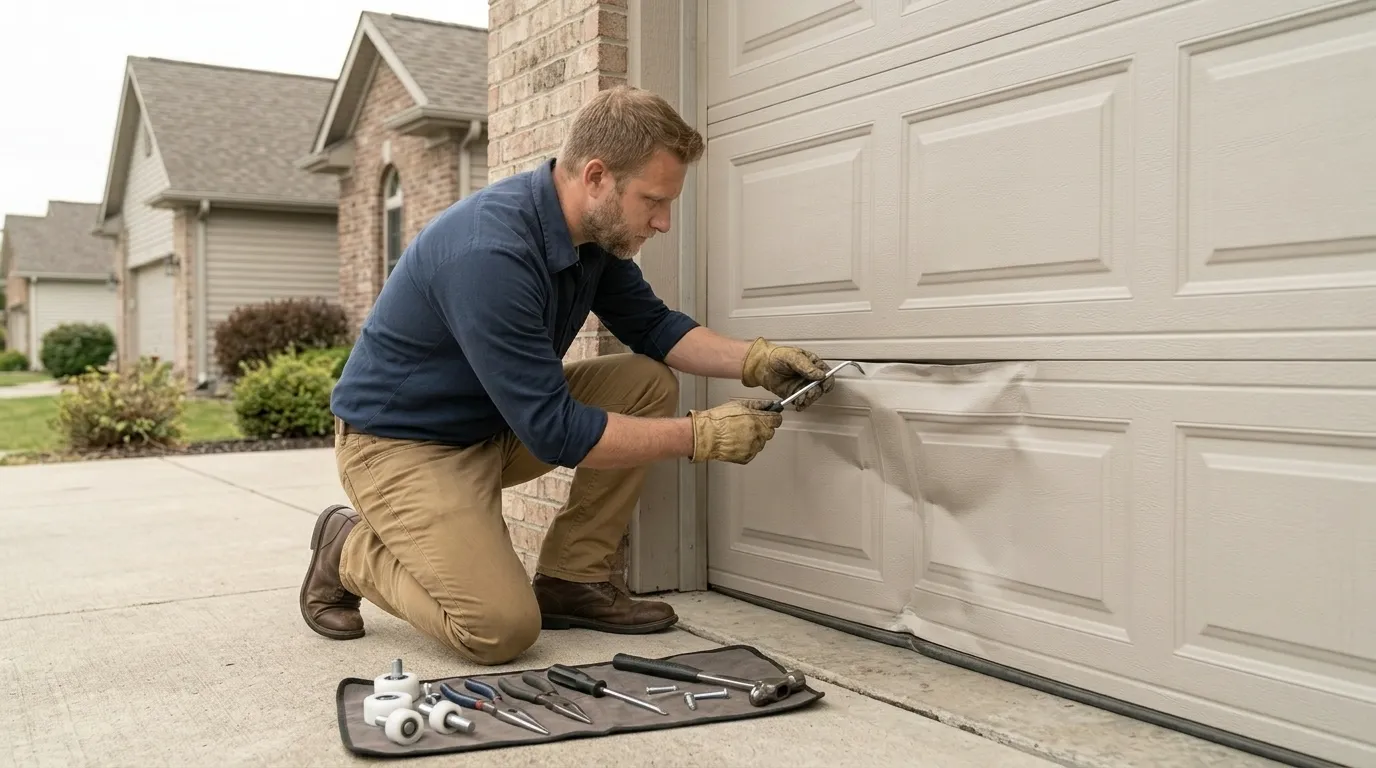
We also see a fair number of panel and track repairs where a door has been dented or knocked out of alignment, which shows up more on the older, lighter-gauge steel panels common in this era than on newer doors. We're not going to pretend every job is a repair, though - if a door's frame is warped or the track has been bent and re-bent enough times, replacement is usually the honest recommendation over another patch job.
How That Shows Up in the Door
On a house built around 1960, the practical result is usually one of two things: an original torsion spring system that's simply aged out, or a door that's had one or two partial upgrades - a new opener bolted onto old track, say - that don't quite match. Neither is a crisis, but both mean a technician needs to look at the actual hardware in front of them rather than assume it matches whatever's newest on the market.
Cold-climate cycling is part of this too. A door built for a 1960s garage wasn't engineered with today's insulation standards in mind, and in St.
Louis's moderate-cold winters, older springs and rollers see more strain per season than a newer, better-lubricated setup would. That's often why a 60-year-old door starts making noise or binding right as the temperature drops, rather than gradually over the whole year.
How We Can Help
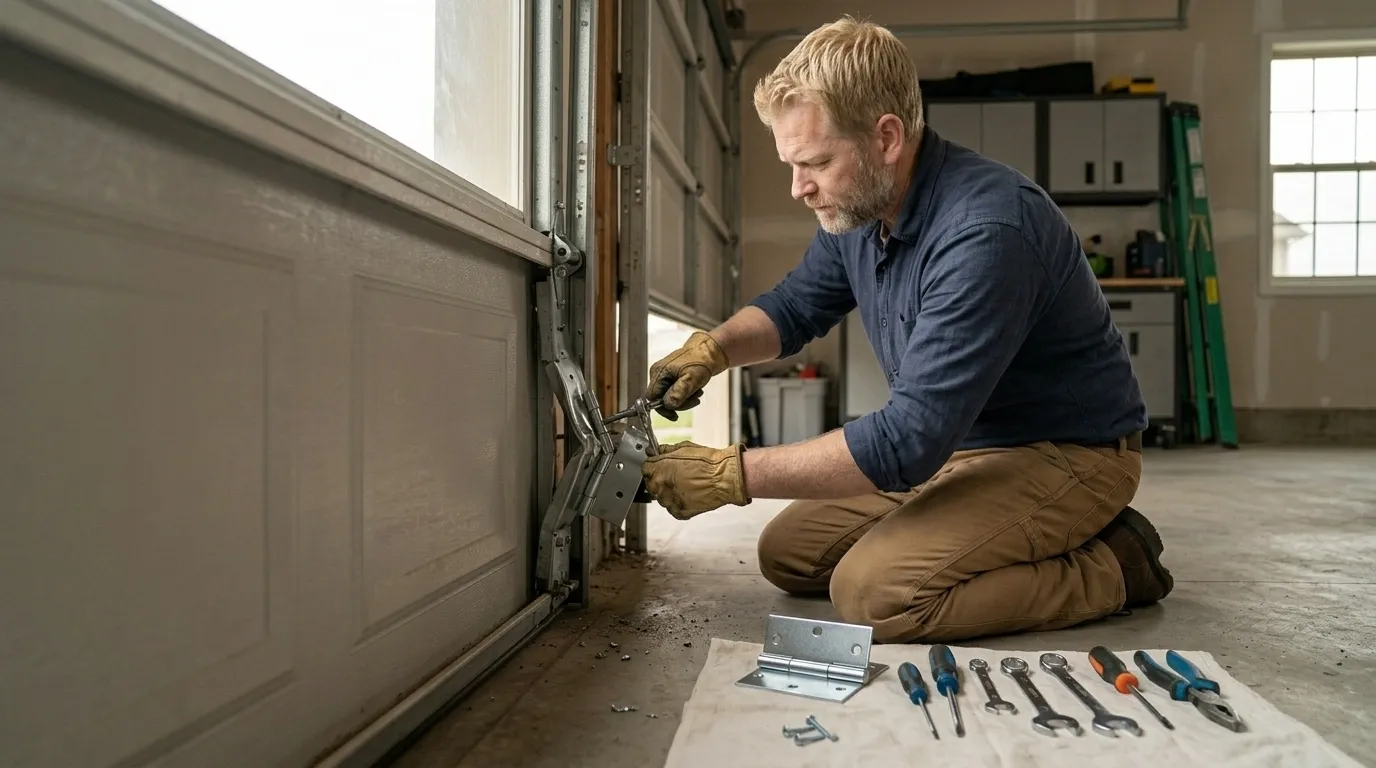
Garage Door Repair
Springs, cables, tracks, rollers, and openers fixed by a tech who explains the problem before touching anything.
Learn more →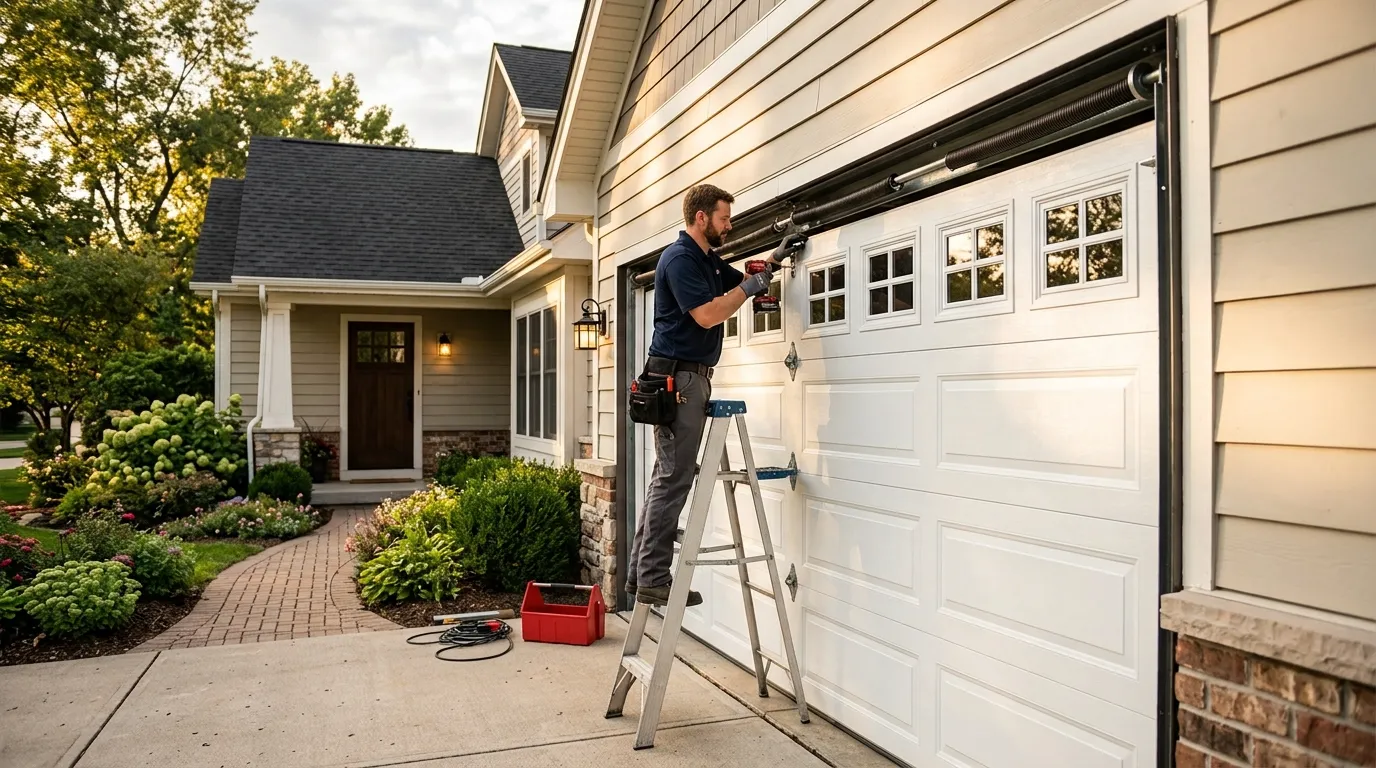
Garage Door Installation
New sectional doors sized and installed for the housing stock actually built in this area.
Learn more →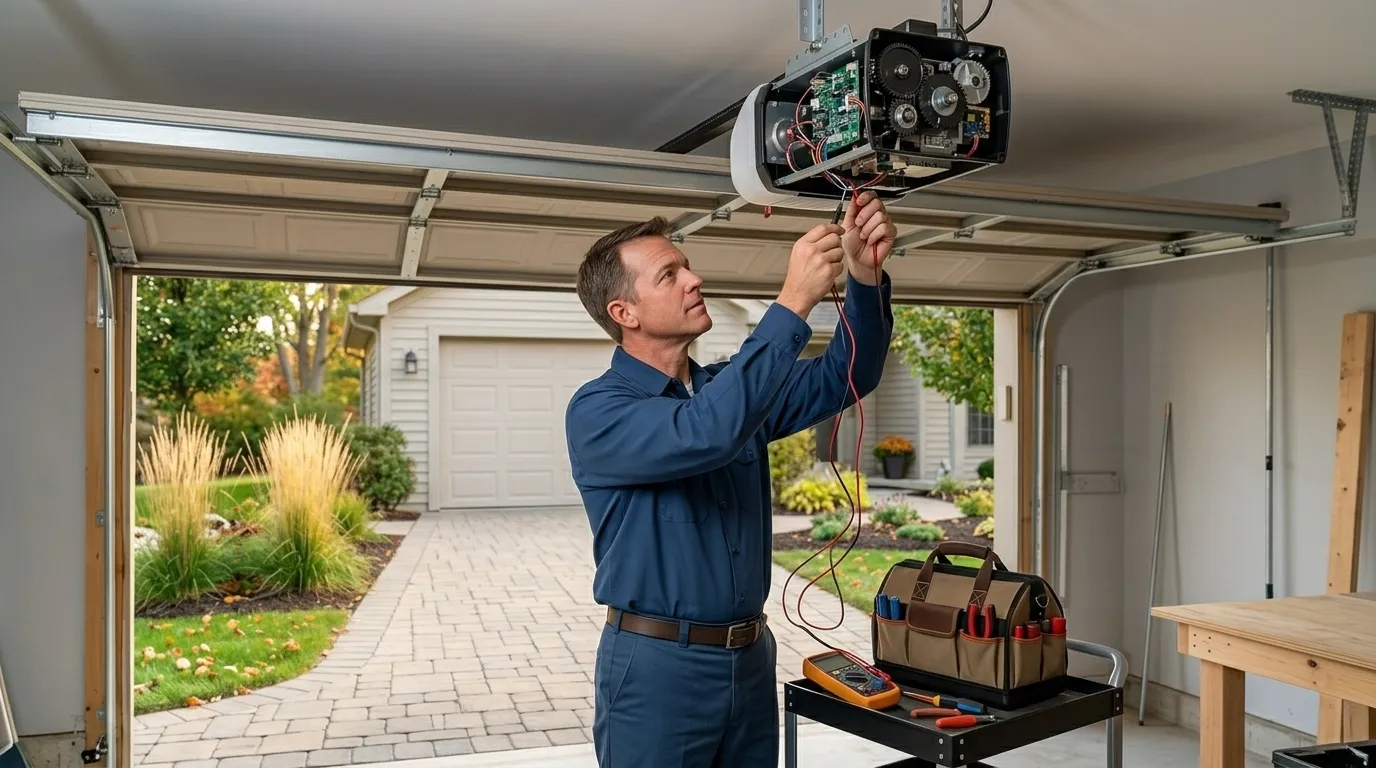
Garage Door Service
Tune-ups, lubrication, and safety checks that catch a small problem before it becomes a service call.
Learn more →What Happens When You Call
-
1
Call or Request a Quote
Tell us what the door is doing and roughly how old the house is - that alone points us toward the likely part before a truck leaves.
-
2
On-Site Diagnosis
A tech checks the spring, cables, tracks, and opener in person and tells you plainly what is actually wrong.
-
3
Straight Price, No Surprises
You get a number before any work starts. It covers parts and labor, nothing added after the fact.
-
4
Fixed the Same Visit
Most repairs are done in one trip. If a part needs sourcing, we tell you that upfront instead of guessing.
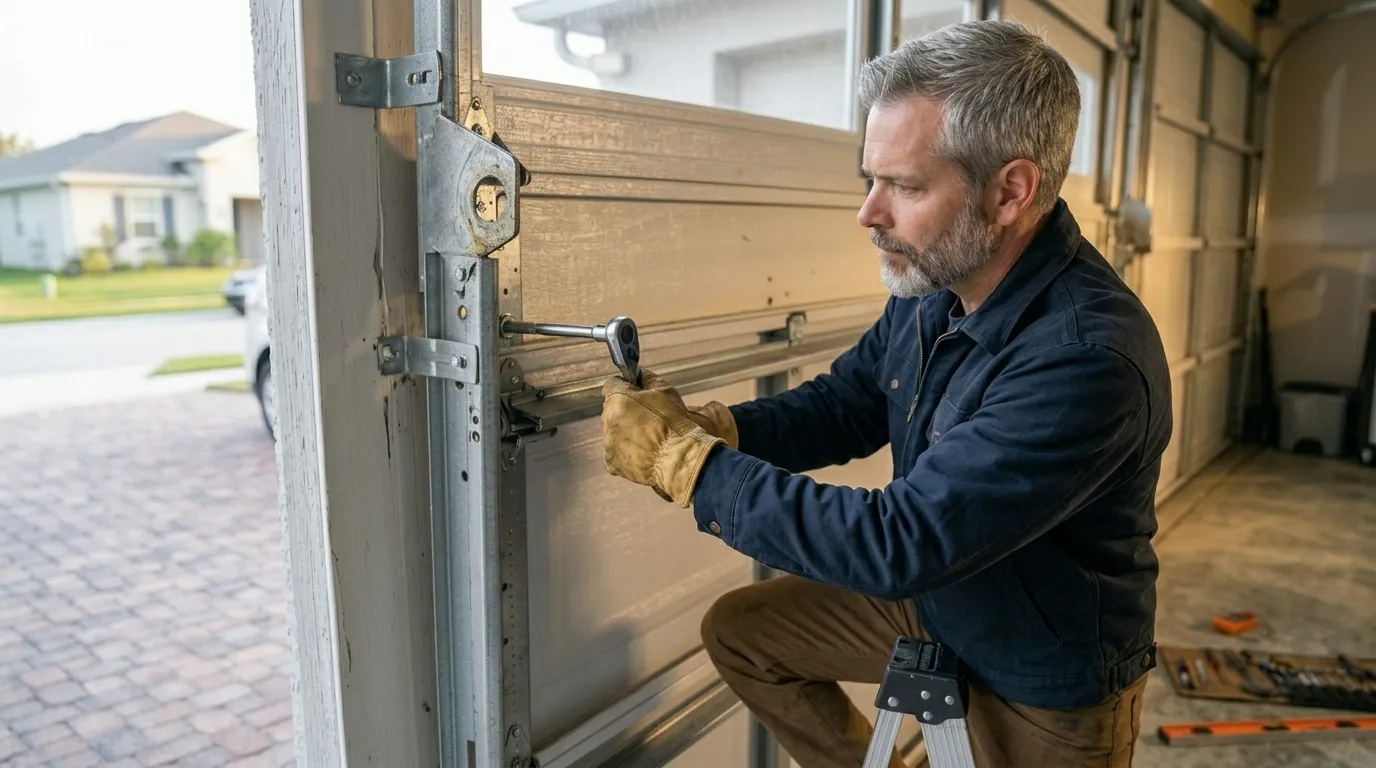
Recent Work Near Crestwood
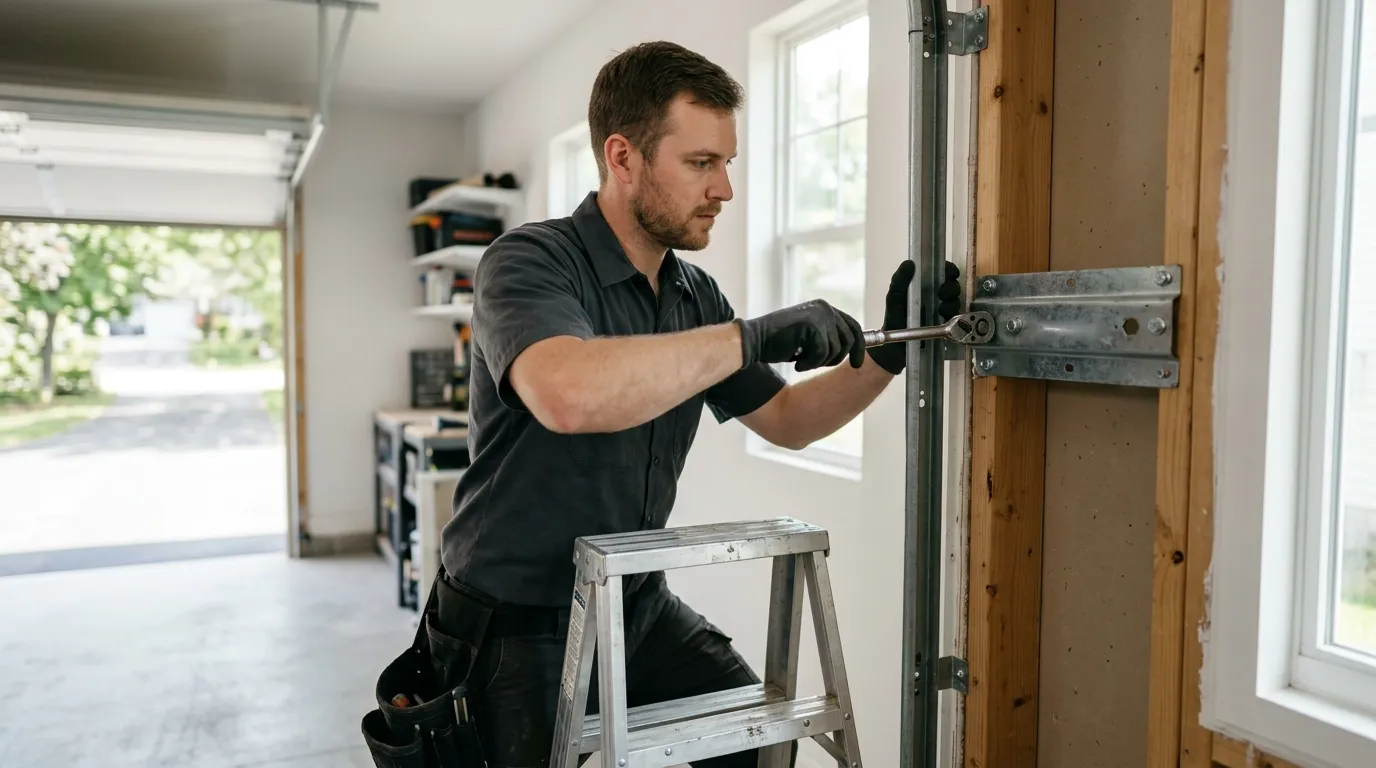
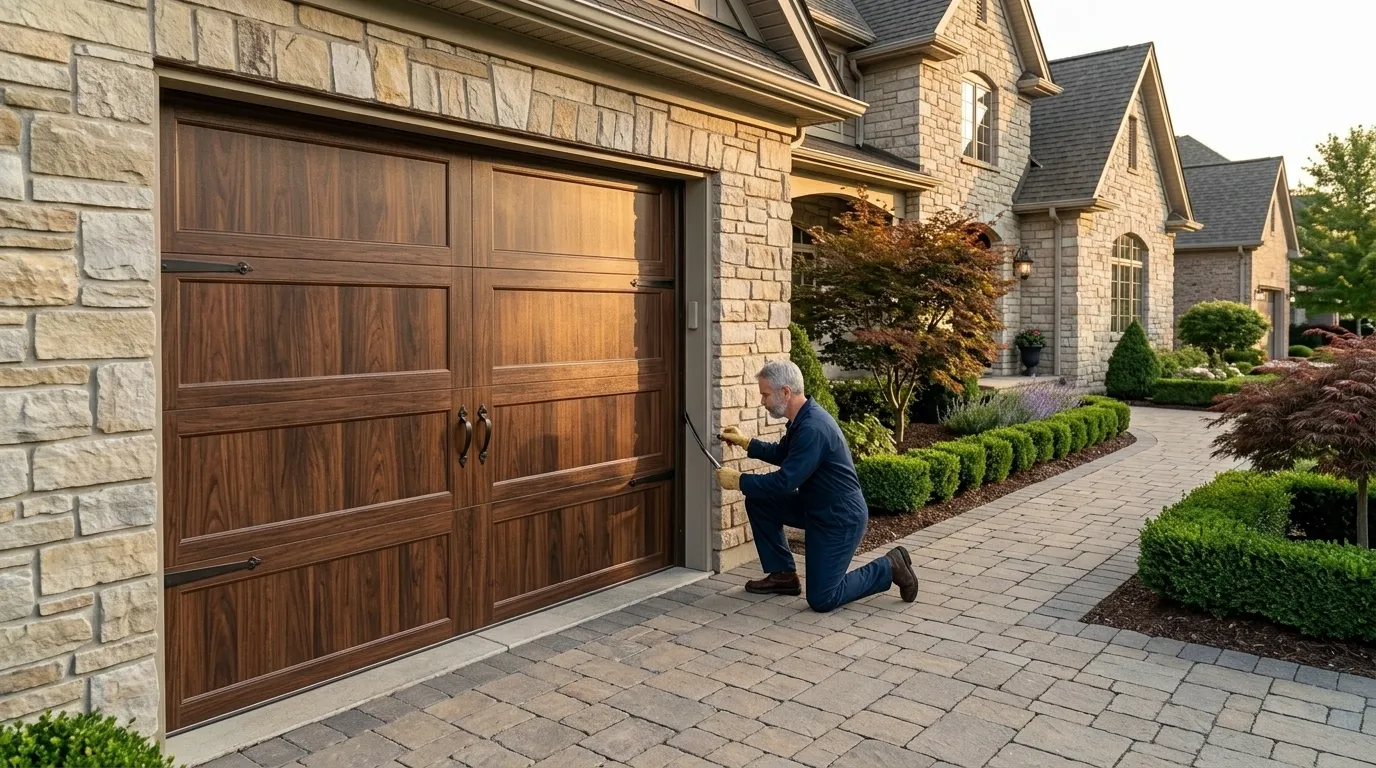
Frequently Asked Questions
Is my Crestwood house old enough to have the original garage door hardware?
Possibly. The area's median build year is around 1960, right in the middle of the broader 1947-to-1990 wave across this part of the metro. If your house hasn't had a full door and opener replacement, there's a real chance the spring anchor points and track are original to that era.
Do you have a location in Crestwood?
No. We're based in St. Louis and drive out to Crestwood, about 9 miles away, for service calls. We don't keep a depot or staged truck in the area.
Why do springs seem to break more in winter here?
St. Louis sits in a moderate cold climate band, and cold steel is stiffer and more prone to sudden failure than warm steel. A spring that's been fraying for months often gives out on the first hard cold snap rather than on a warm afternoon.
Should I repair or replace an old door?
Depends on the frame and track, not just the door panel. If the track's been bent and straightened more than once, or the frame's warped, another repair usually doesn't hold. We'll tell you honestly which side of that line your door is on.
Get Your Door Fixed in Crestwood
Call now for same-area service.