
St. Louis Neighborhood
Garage Door Work in Central West End
Garage door service for Central West End, about a mile WNW of downtown St. Louis, where original 1960s and 70s torsion hardware is still common on the older houses.
- Licensed & Insured
- Same-Area Service Calls
- Upfront Pricing
Arranging a Visit
Central West End sits about a mile WNW of the center of St. Louis, close enough that we can usually work you into the same week.
Call and tell us what the door is doing - won't open, won't close all the way, makes a bang when it drops - and we'll get a rough sense of the part before a truck ever shows up. That saves you a second visit for something we could have brought the first time.
We don't do emergency same-hour service; if a spring lets go at 11pm, the door will hold until morning if you leave it down and don't force the opener. What we can do is get you on the schedule fast and bring the parts that actually fit hardware from this era, which is more than half the job on these streets.
If you're not sure whether it's worth a service call versus a full replacement, tell us the age of the door and what it's doing. We'd rather talk you out of a repair that won't hold than charge you for one.
Typical Work
Most of the calls we get from this part of the city are springs, not openers. A house built when this pocket of St.
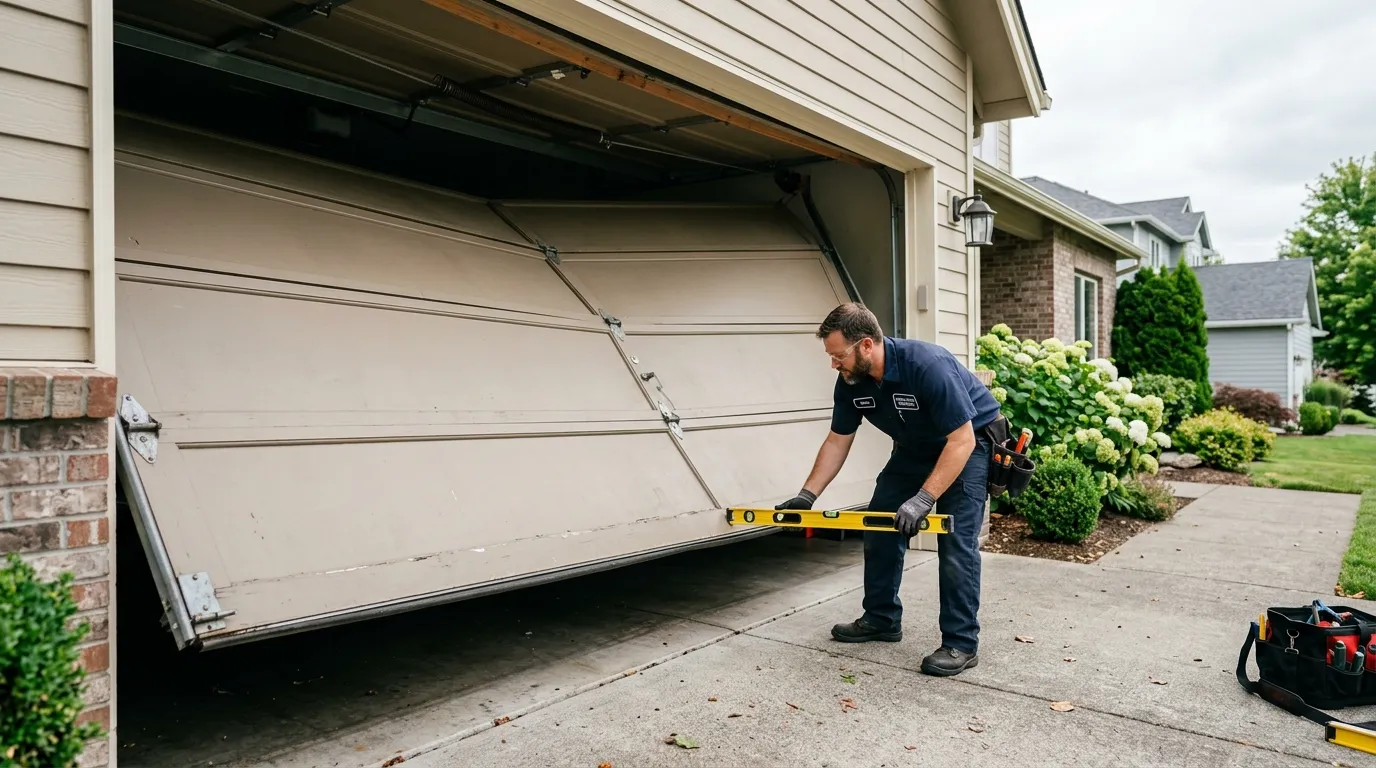
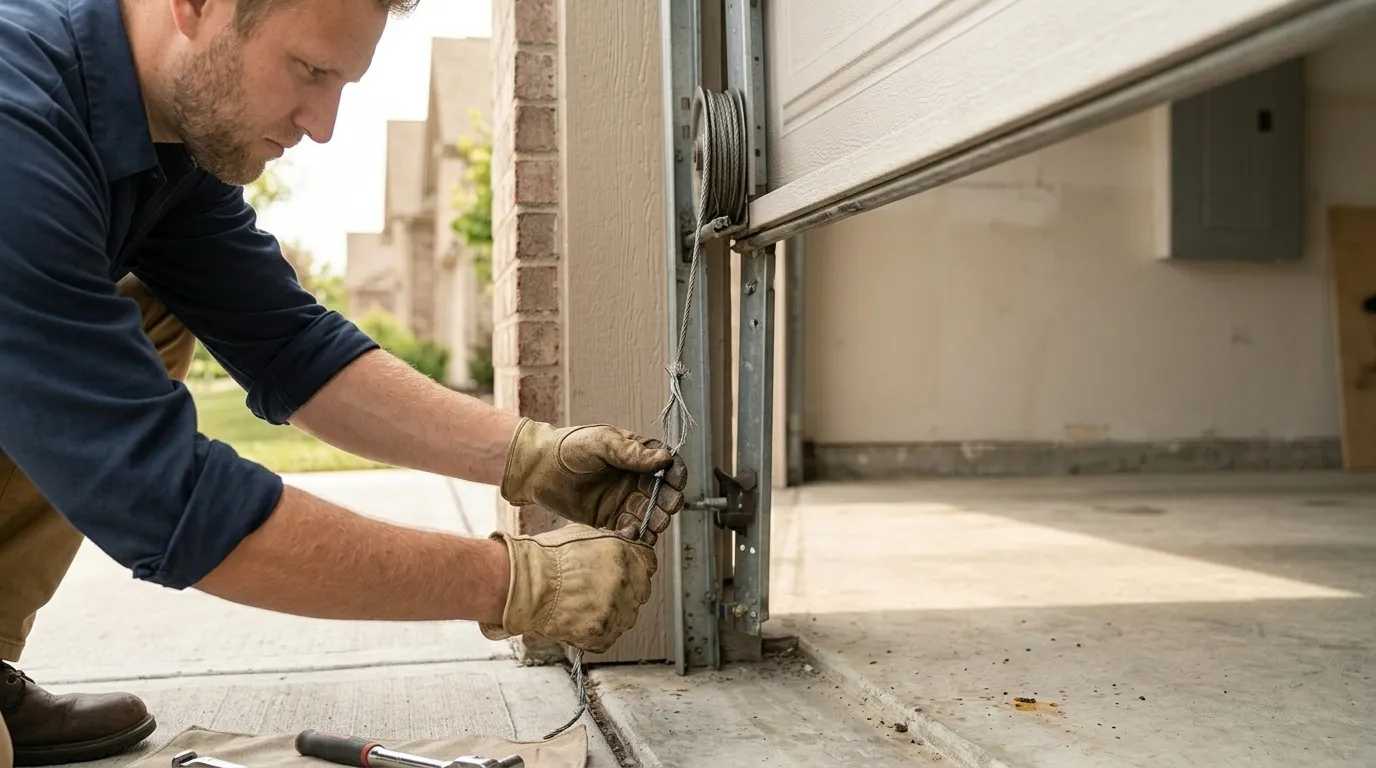
Louis was going up tends to have a torsion spring system that's original or one generation removed from original, and those springs are rated for a cycle count that runs out whether or not anyone's paying attention. When one snaps on a double door, the other side usually isn't far behind - we'll tell you honestly if it makes sense to do both at once rather than pay for a second truck run in six months.
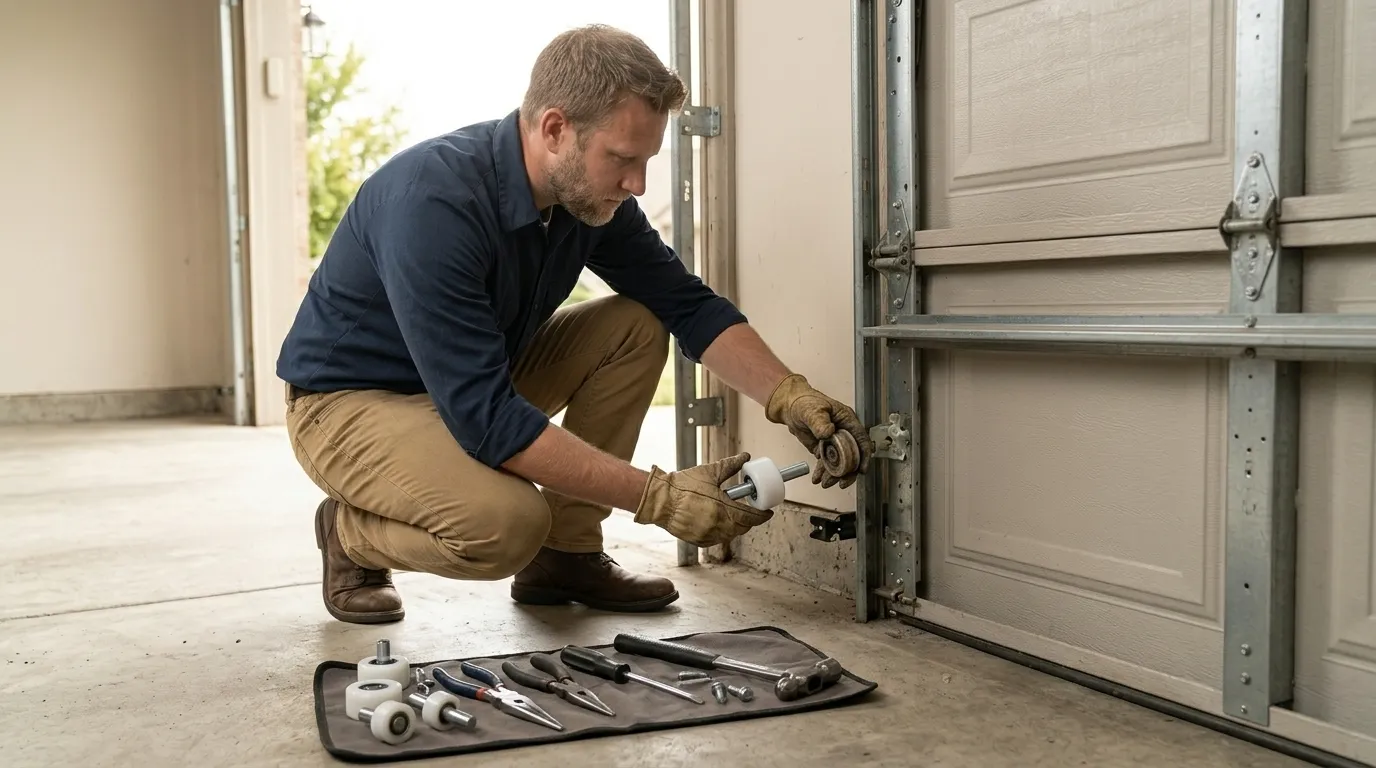
We also see a fair number of roller and track jobs on doors from the 1960s and 70s, where the steel has softened enough that the door binds on the way up. Openers get swapped out more than repaired past a certain age, since parts for the older chain-drive units aren't always stocked anymore.
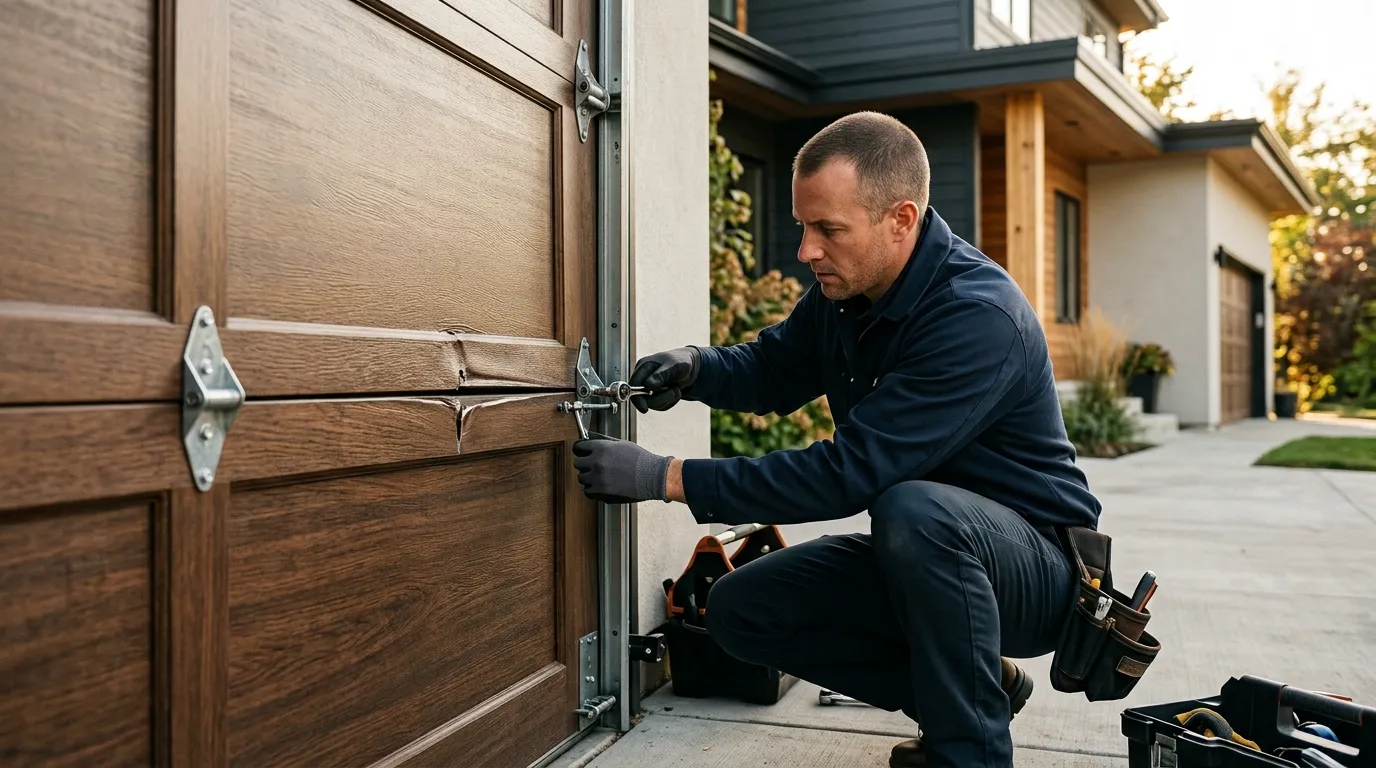
What we don't do is structural carpentry - if the jamb or header around the door has failed, that's a call to a general contractor first. We can hang a new door once the opening is sound, not before.
Where You Are
Central West End sits about a mile WNW of downtown St. Louis, with Midtown a mile to the east and Downtown itself roughly three miles ESE. Saint Louis's broader core is about three miles ESE as well, which puts this neighborhood on the inner edge of the service area rather than out at the fringe.
Further out, Clayton, University City, and Maplewood are all about five miles off, with Richmond Heights at the same distance. That ring of inner-ring suburbs shares a lot of the same housing stock and the same climate exposure as Central West End itself, which matters more than the map distance when it comes to what parts a door needs.
Being this close in means shorter drive times for us and less guesswork about what we'll find on site - the housing pattern here is consistent enough that we usually know what we're walking into before we knock.
The Housing Here
Housing across this service area was mostly built between 1947 and 1990, with the median landing around 1967, and Central West End falls squarely in that window. That means torsion springs sized for doors that are heavier or lighter than what's actually hung on them today, openers bolted to framing that predates modern safety-reversal standards, and hardware that was fine for its time but isn't what a supplier stocks now.
The climate band here is cold-moderate, which matters for a neighborhood built mostly in that mid-century stretch: real winter freeze-thaw cycling puts stress on springs and cable, and on older insulated doors the foam core has often broken down enough that the door weighs less than the spring was set for, which throws off the balance.
Median household income across the service area runs $84,389, and across the 287,477 households and 146,725 owner-occupied houses in that footprint, a lot of doors are original or close to it. We size new springs to the door as it sits today, not to a spec sheet from 1967.
How We Can Help
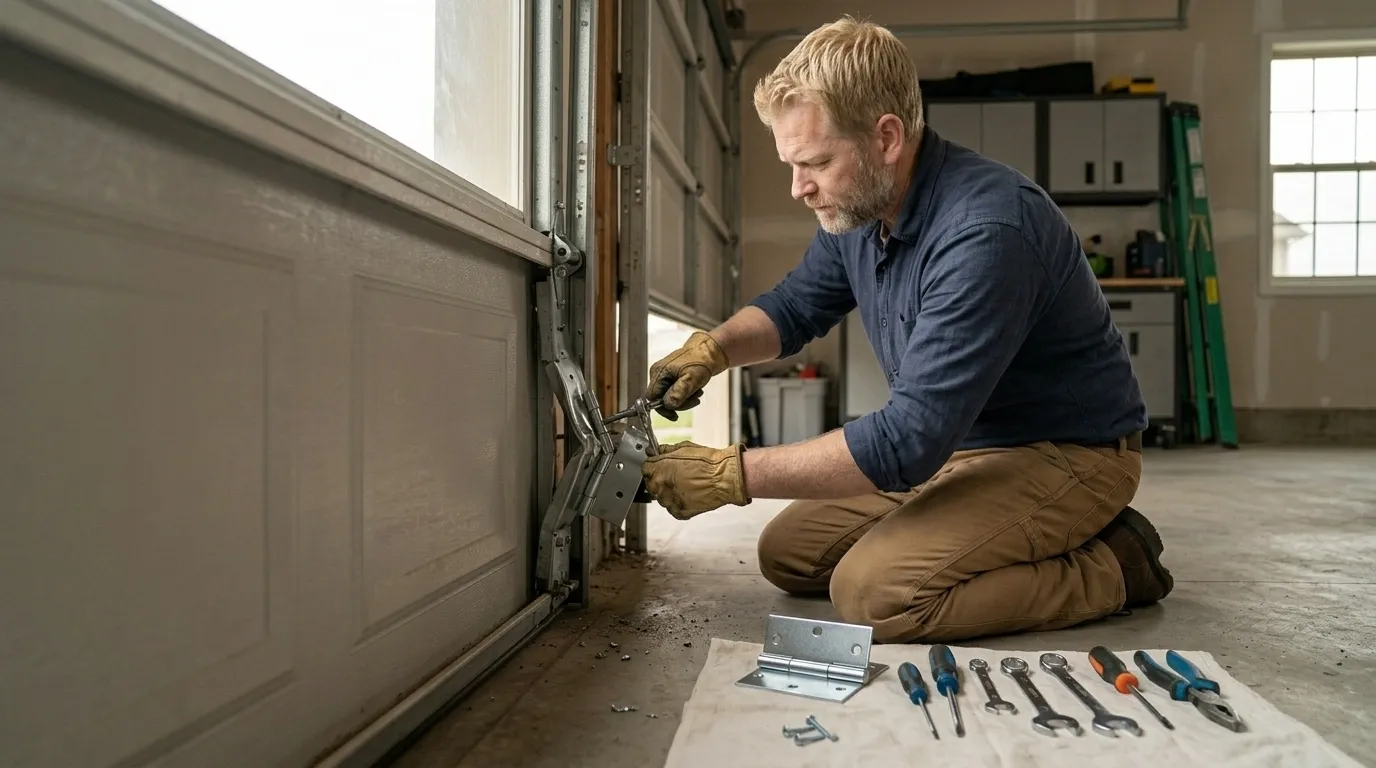
Garage Door Repair
Springs, cables, tracks, rollers, and openers fixed by a tech who explains the problem before touching anything.
Learn more →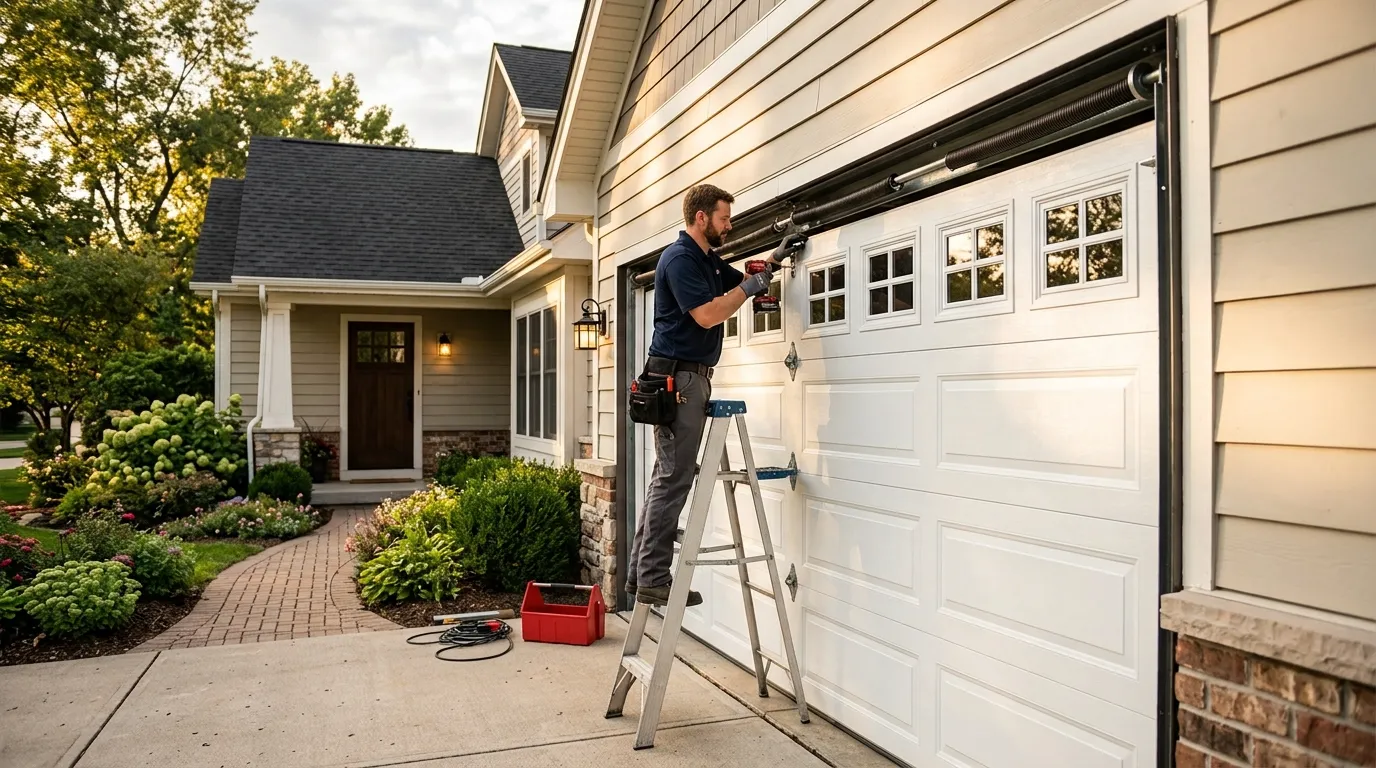
Garage Door Installation
New sectional doors sized and installed for the housing stock actually built in this area.
Learn more →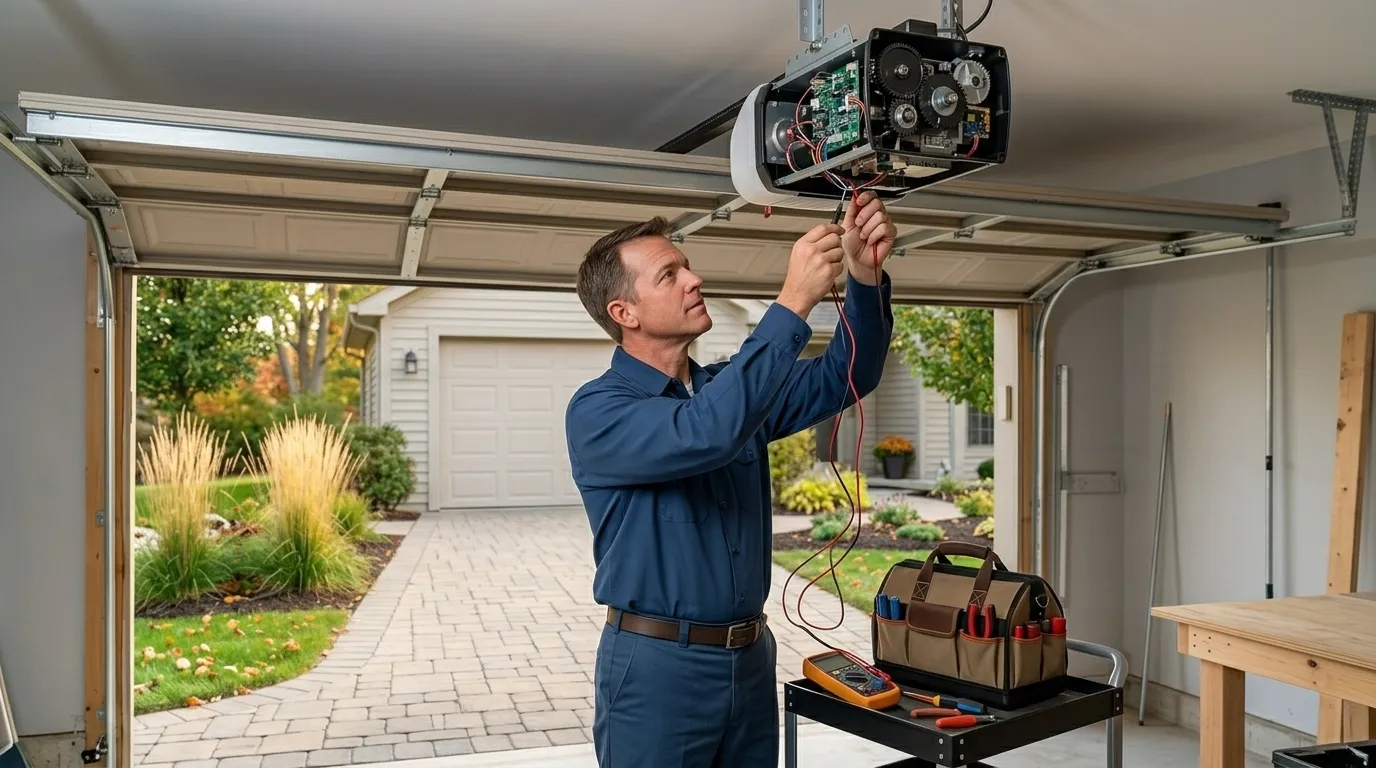
Garage Door Service
Tune-ups, lubrication, and safety checks that catch a small problem before it becomes a service call.
Learn more →What Happens When You Call
-
1
Call or Request a Quote
Tell us what the door is doing and roughly how old the house is - that alone points us toward the likely part before a truck leaves.
-
2
On-Site Diagnosis
A tech checks the spring, cables, tracks, and opener in person and tells you plainly what is actually wrong.
-
3
Straight Price, No Surprises
You get a number before any work starts. It covers parts and labor, nothing added after the fact.
-
4
Fixed the Same Visit
Most repairs are done in one trip. If a part needs sourcing, we tell you that upfront instead of guessing.
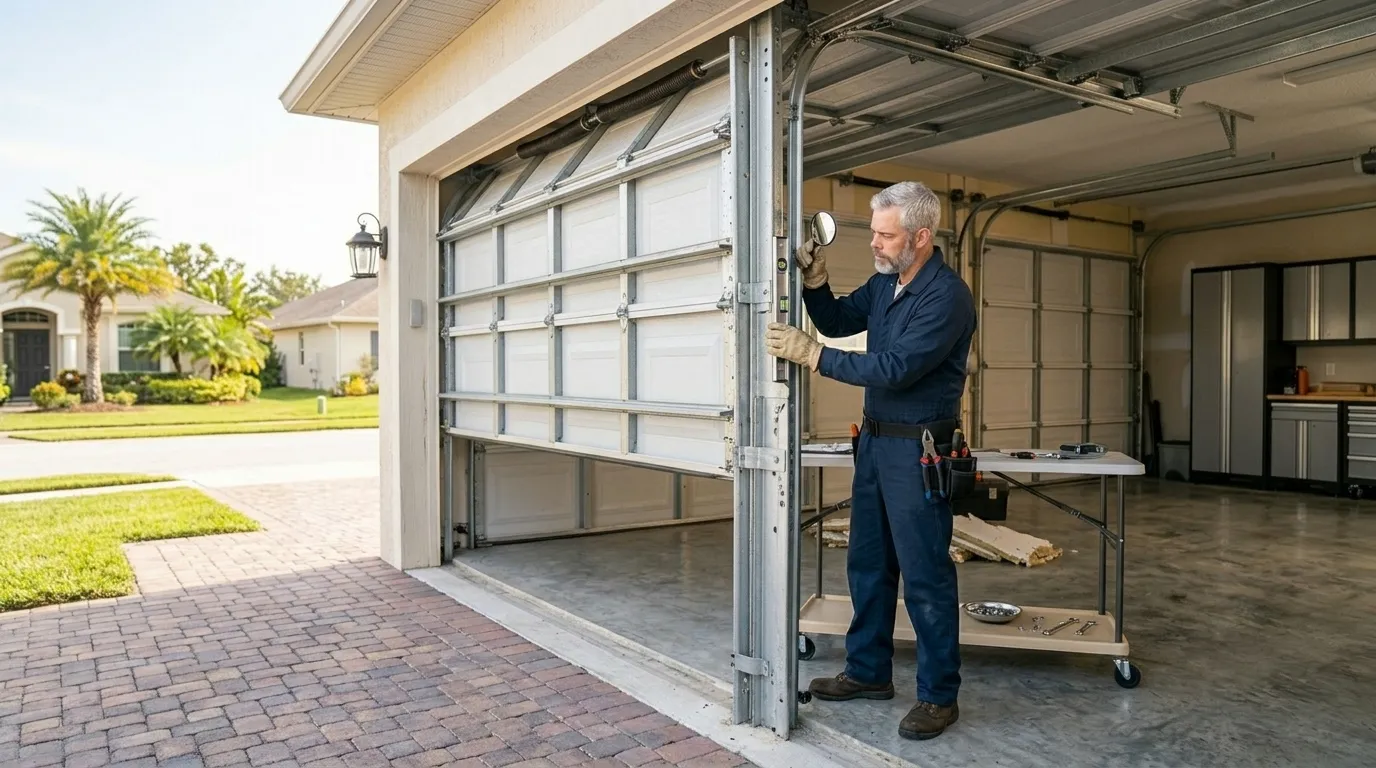
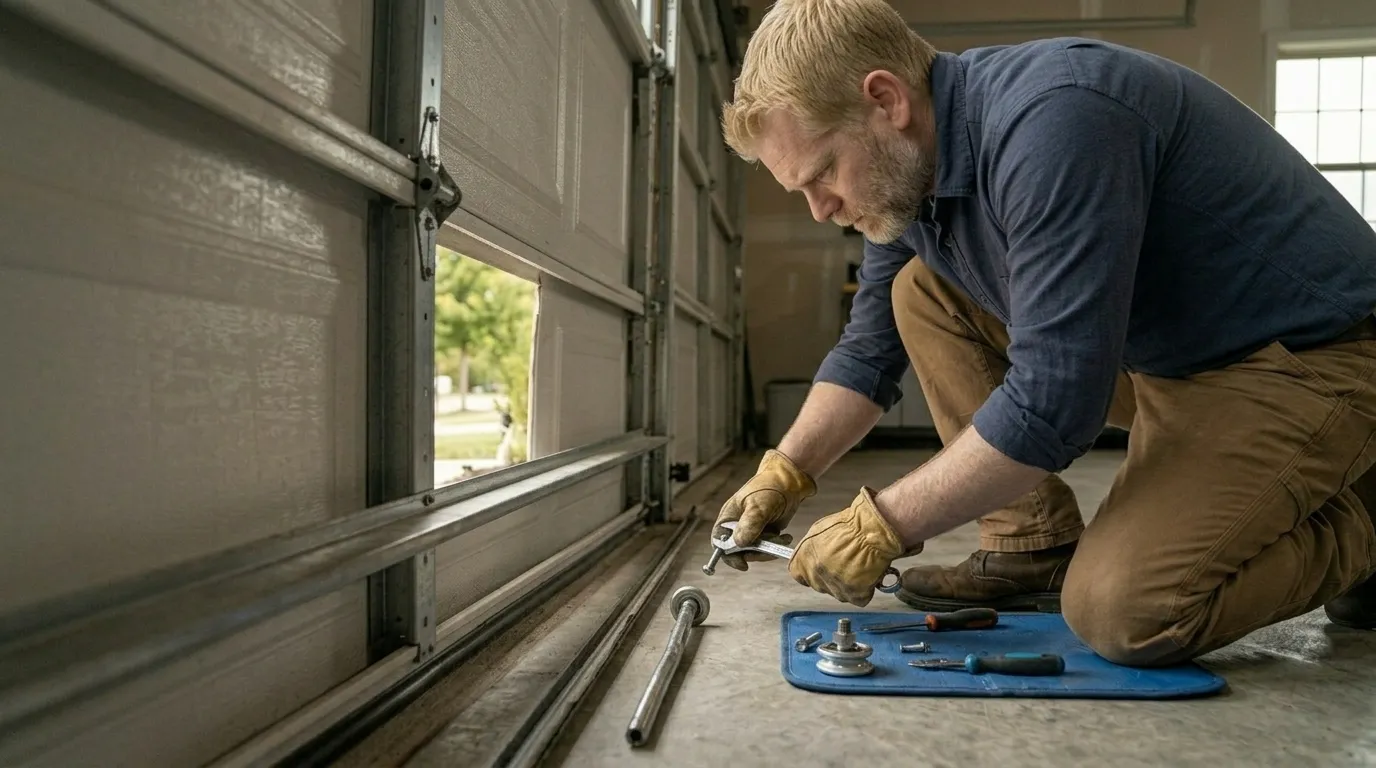
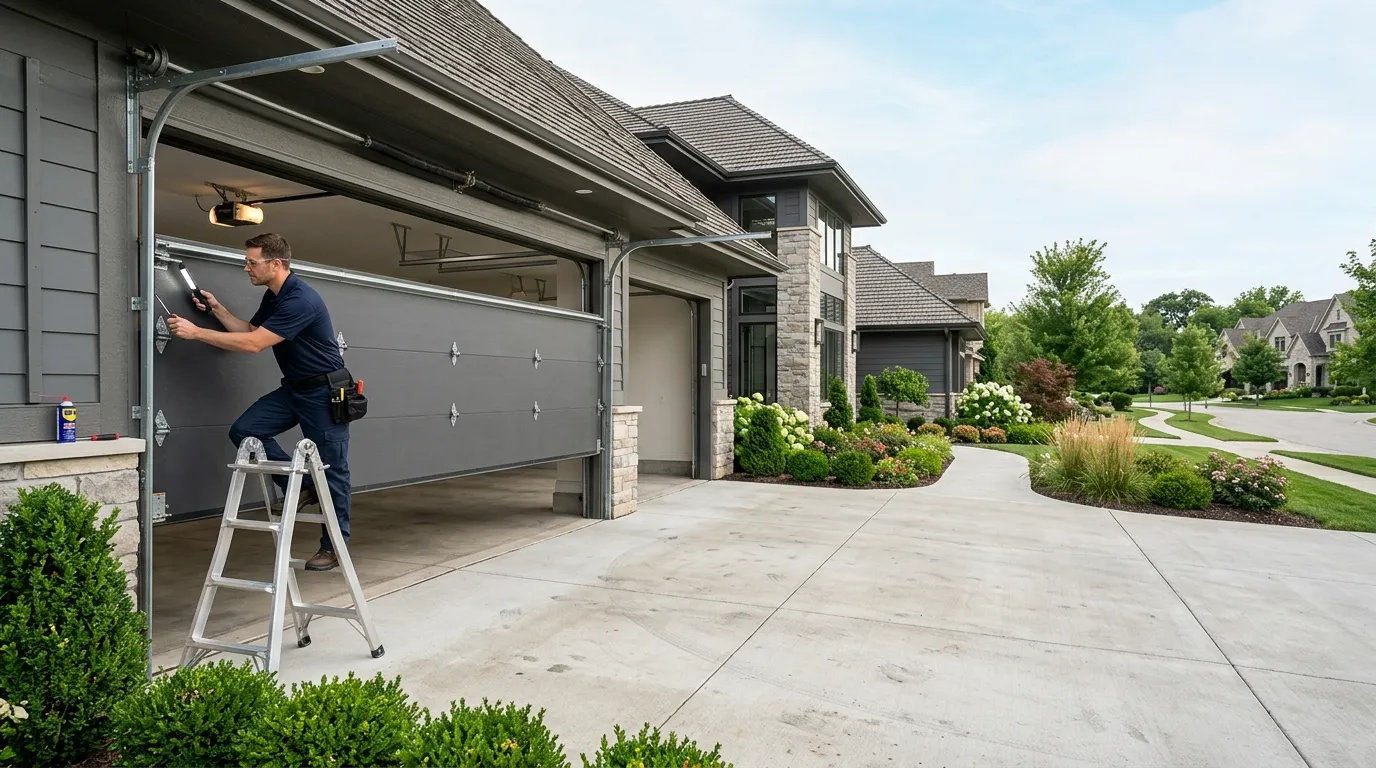
Recent Work Near Central West End
Frequently Asked Questions
How old is the typical garage door in Central West End?
We don't have a landmark-by-landmark count, but the housing across this part of St. Louis was mostly built between 1947 and 1990, median around 1967. A door and its hardware from that era is usually original or one replacement removed, so parts sizing is rarely a modern standard fit.
Do you offer emergency same-night repair?
No. If a spring breaks after hours, leave the door down and don't force the opener - it'll hold overnight. We'll get you scheduled quickly, but we don't run emergency same-hour service.
Why does my opener struggle in winter?
This area sits in a cold-moderate climate band, and older insulated doors from the 1960s-70s stock often have foam cores that have broken down. A lighter door than the spring was set for throws off the balance, which makes the opener strain, especially in cold weather.
Is it worth repairing an original 1960s door or replacing it?
Depends what's failing. A snapped spring or worn rollers are usually a straightforward repair. If the panels are rusted through or the track is bent from age, replacement tends to cost less over time than repeated service calls - we'll tell you honestly which side of that line your door is on.
Get Your Door Fixed in Central West End
Call now for same-area service.