
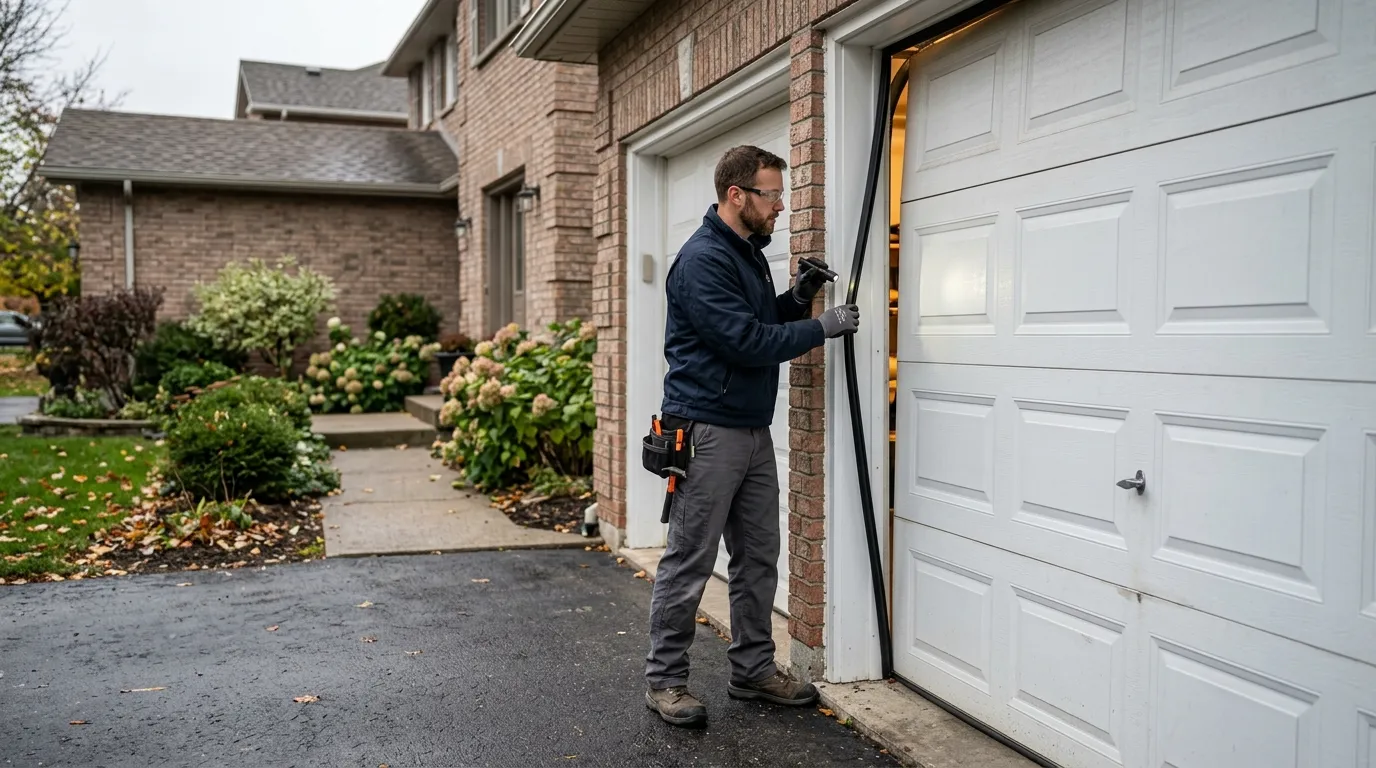
Nearby Community
Garage Door Service for Pagedale Homes
Garage door repair for Pagedale's 1950s housing stock. We travel from St. Louis to handle the springs, tracks and openers original to homes built around 1952.
- Licensed & Insured
- Same-Area Service Calls
- Upfront Pricing
The Houses Here
Pagedale's housing stock centers on 1952, which puts it ahead of the broader service area's median build year of 1967. That fifteen-year gap matters more than it sounds.
A garage built in the early '50s came with a lighter door, often a single steel or wood-panel slab, hung on hardware that predates the torsion-spring layout you'd find in a house from the late '60s or '70s. Some of these garages were add-ons or detached structures put up separately from the house, which means the header and track mounting can be improvised rather than factory-standard.
With around 1,133 households in Pagedale, this isn't a huge area, but it's a consistent one - block after block of homes from the same short building window. That consistency actually helps us.
Once we've seen a handful of these garages, we know roughly what we're walking into: older extension-spring setups, narrower door openings, and hardware that's been patched more than once over seventy-plus years. We don't guess at what's behind the door - we've worked this vintage enough times to know the pattern, even if we can't promise every garage matches it exactly.
How Soon We Can Come Out
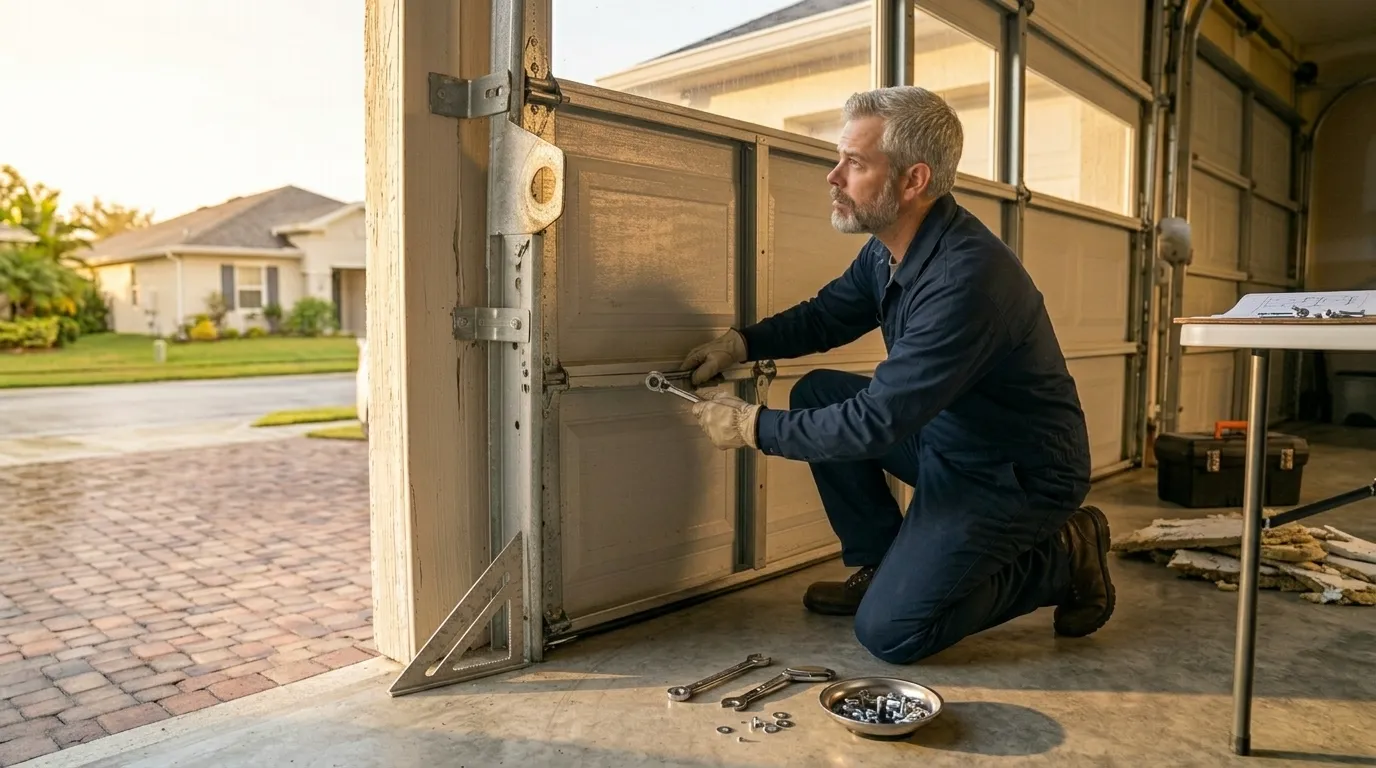
We run out of St. Louis, about five miles from Pagedale, so we're not sitting in the neighborhood waiting for a call.
We schedule Pagedale jobs alongside the rest of the coverage area, and we don't promise a same-day window we can't back up. If your spring lets go on a Tuesday morning, tell us what you're seeing and we'll give you an honest estimate of when we can get there rather than a number that sounds good on the phone.
What we can tell you is that a five-mile drive isn't a long one, and it doesn't push Pagedale to the back of the line. It just means we're a call away, not a truck parked around the corner. If a job needs a part we don't carry - and on houses this old, that happens more than people expect - the wait is on the part, not on us getting there.
What We Do Most in This Area
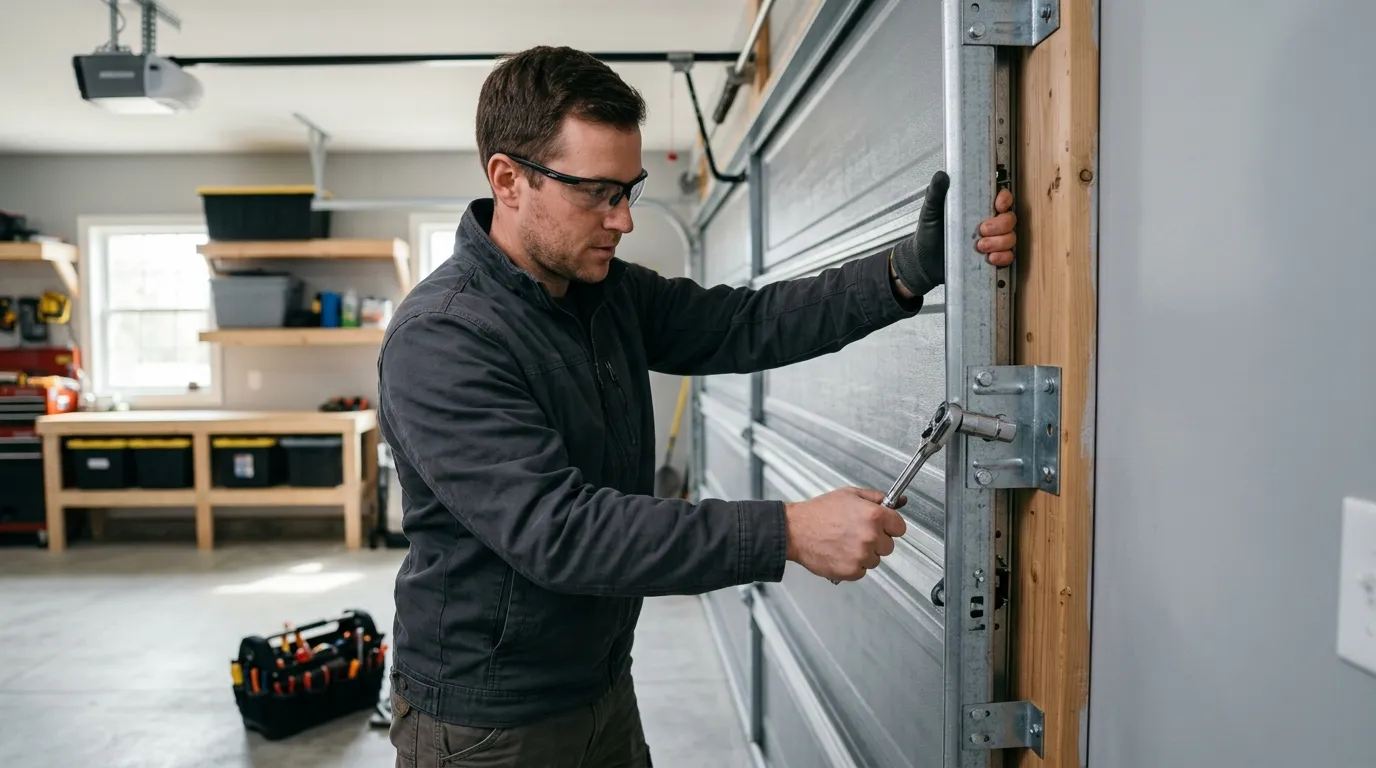
On houses from the early '50s, the most common call is a spring that's simply outlived itself. Extension springs from that era, or the older torsion setups retrofitted later, don't hold up the way modern coil springs do, and when they go, they go without warning. After that, it's worn rollers and tracks that have shifted slightly out of true after decades of a house settling around them - not dramatic, just enough to make the door bind or drag.
Openers are a mixed bag. Plenty of these garages have had an opener added well after the original build, which means the door itself is decades older than the motor lifting it.
When the two don't match - an opener built for a lighter modern door straining against a heavier old slab - you get premature gear wear and a motor that sounds like it's working too hard, because it is. We see this pairing often enough in Pagedale that it's usually our first question on the phone: how old is the door versus how old is the opener.
How That Shows Up in the Door
The climate here is cold-moderate, and on a garage this age, that plays out mostly in the metal, not the wood. Steel panels and hardware from the early '50s have had seventy-plus winters of temperature swings to work on them, and you'll often find rust at the bottom panel seams or corrosion where the track bolts into a header that was never treated for it. Cold snaps also tighten up old lubricant on tracks and hinges, which is part of why a door that worked fine in September suddenly groans in January.
Here's the honest limitation: if a door from this era has warped panels or a frame that's racked out of square, replacement is usually the better call than another repair. We'll tell you straight when a fix is just delaying the inevitable, because sinking money into hardware built for a door that's already failing structurally doesn't serve you well. Median household income in Pagedale runs $30,908, well under the $84,389 median across the wider service area, and we try to steer people toward the repair that actually holds rather than the one that pads a bill.
How We Can Help
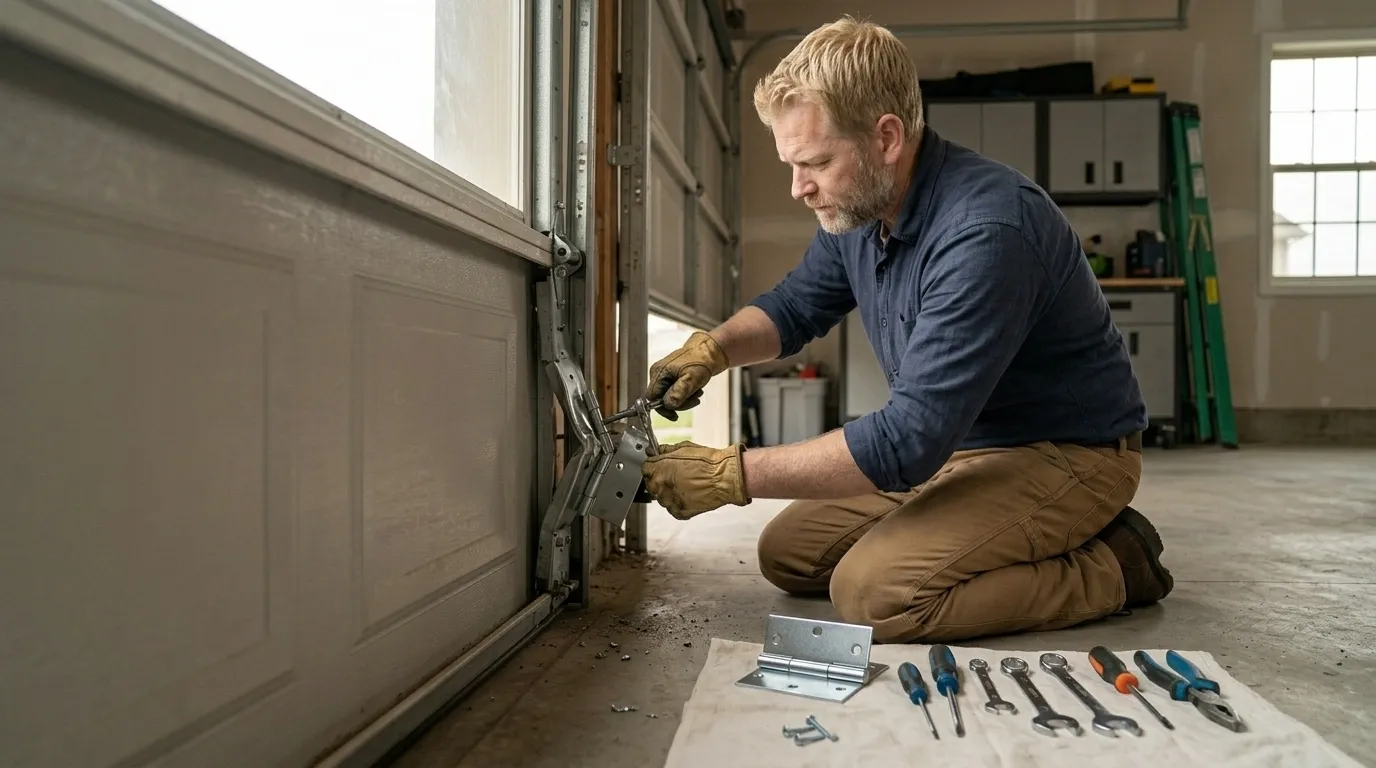
Garage Door Repair
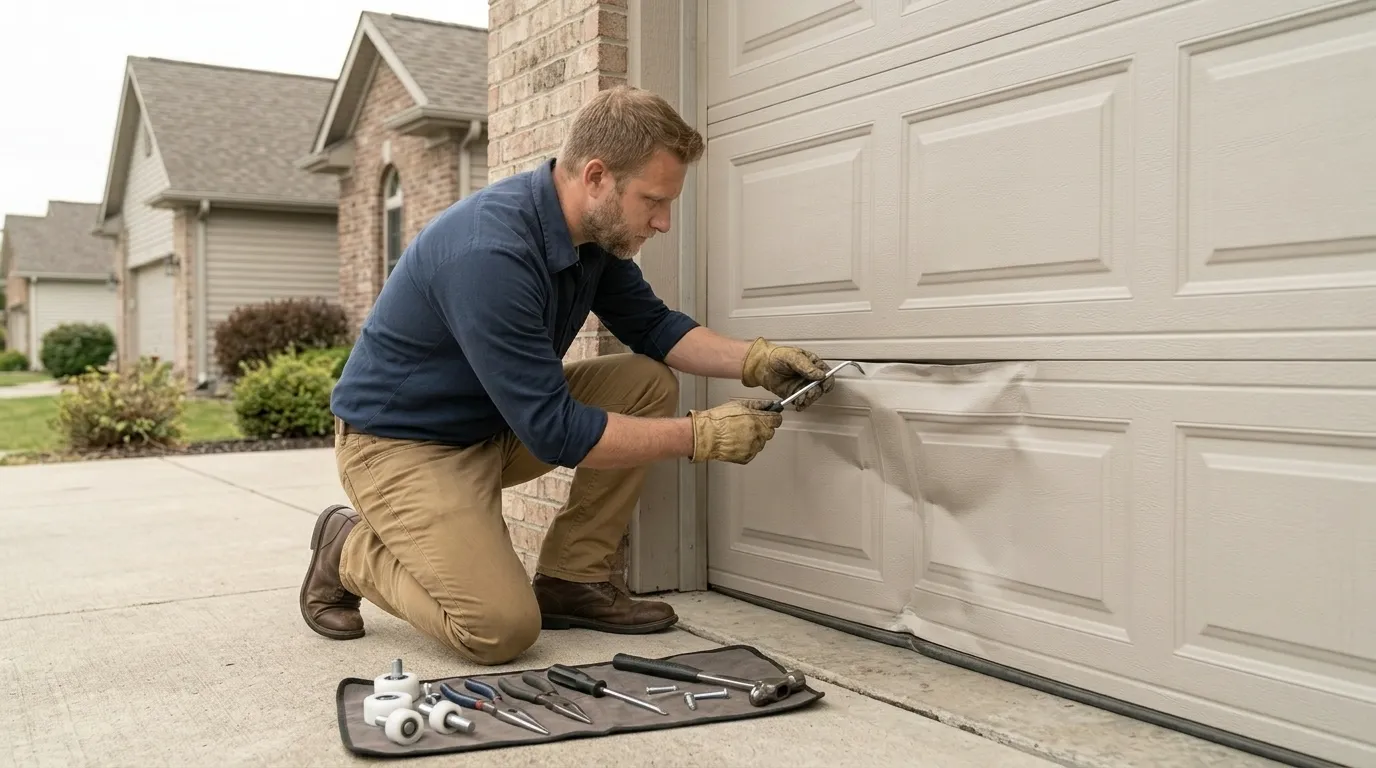
Springs, cables, tracks, rollers, and openers fixed by a tech who explains the problem before touching anything.
Learn more →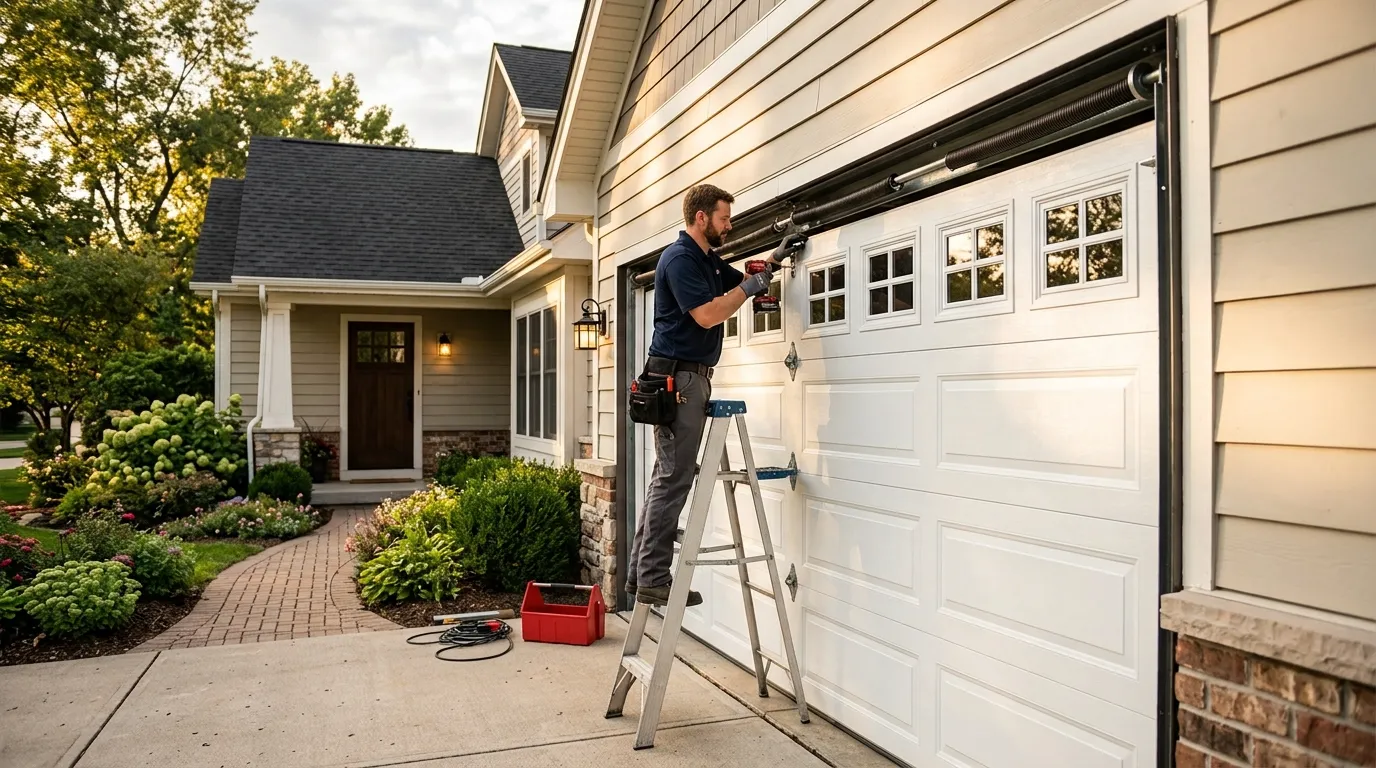
Garage Door Installation
New sectional doors sized and installed for the housing stock actually built in this area.
Learn more →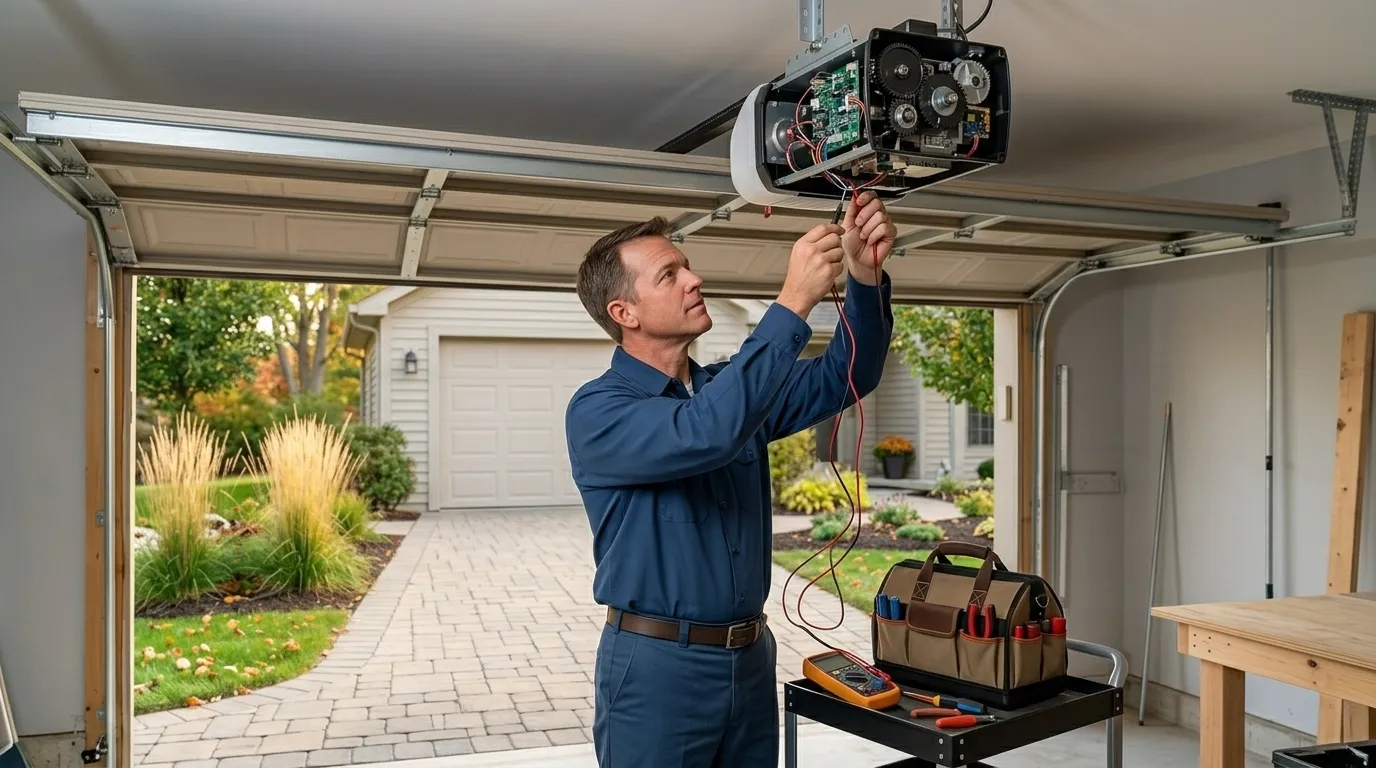
Garage Door Service
Tune-ups, lubrication, and safety checks that catch a small problem before it becomes a service call.
Learn more →What Happens When You Call
-
1
Call or Request a Quote
Tell us what the door is doing and roughly how old the house is - that alone points us toward the likely part before a truck leaves.
-
2
On-Site Diagnosis
A tech checks the spring, cables, tracks, and opener in person and tells you plainly what is actually wrong.
-
3
Straight Price, No Surprises
You get a number before any work starts. It covers parts and labor, nothing added after the fact.
-
4
Fixed the Same Visit
Most repairs are done in one trip. If a part needs sourcing, we tell you that upfront instead of guessing.
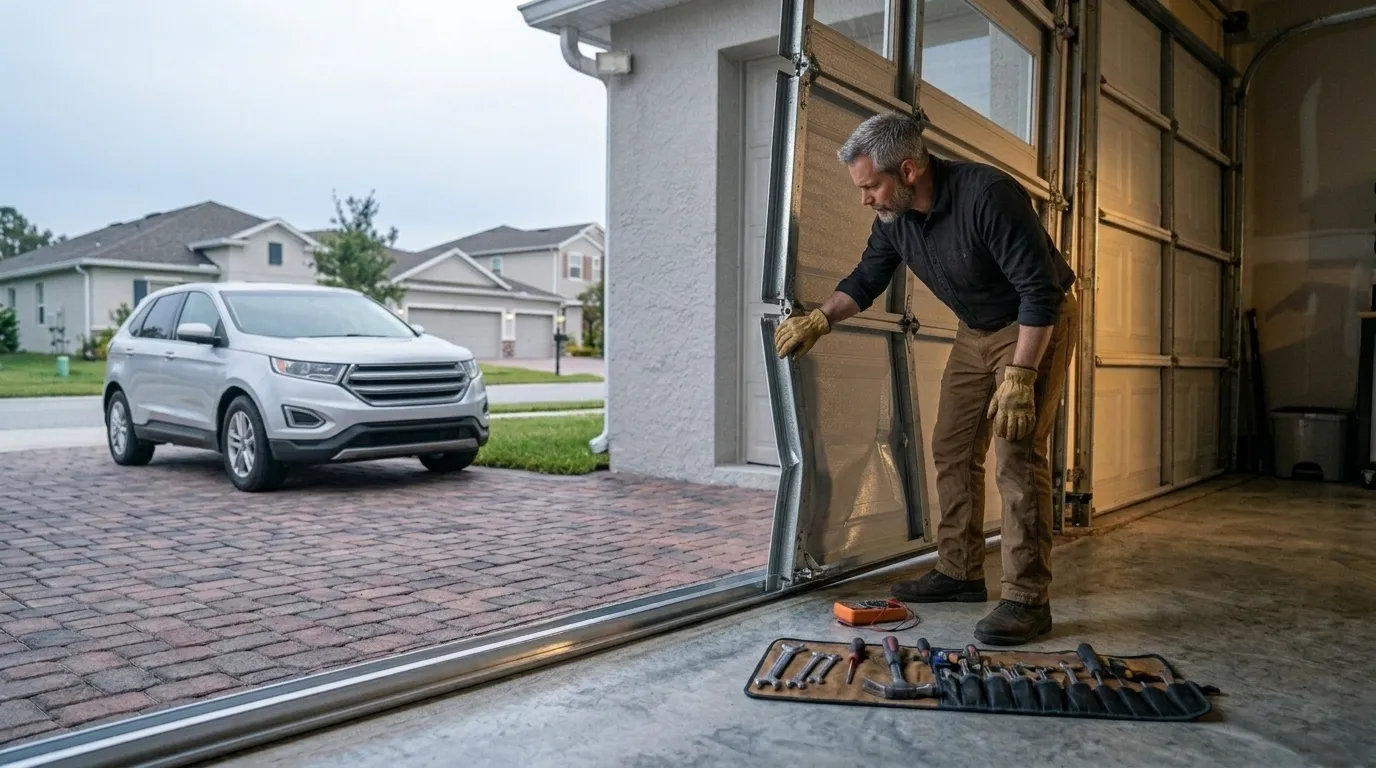
Recent Work Near Pagedale
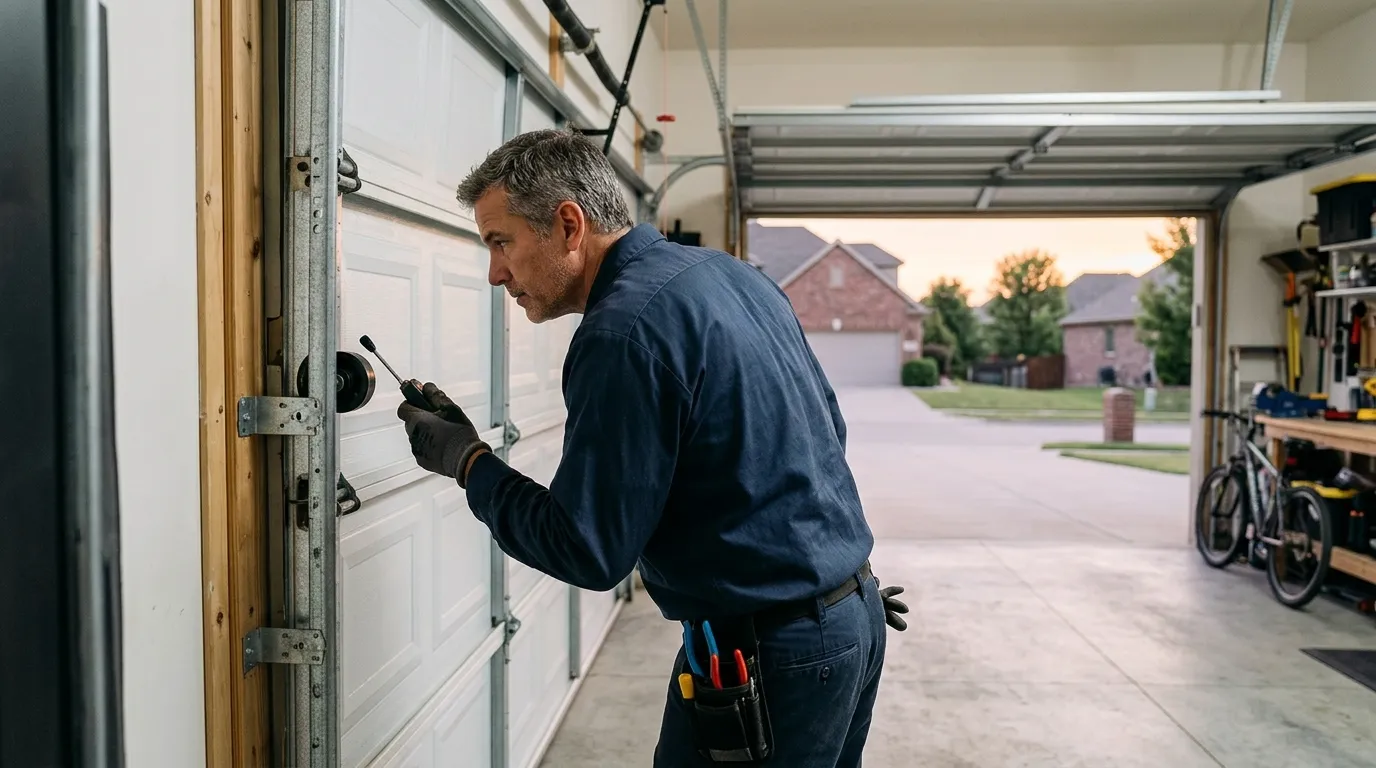
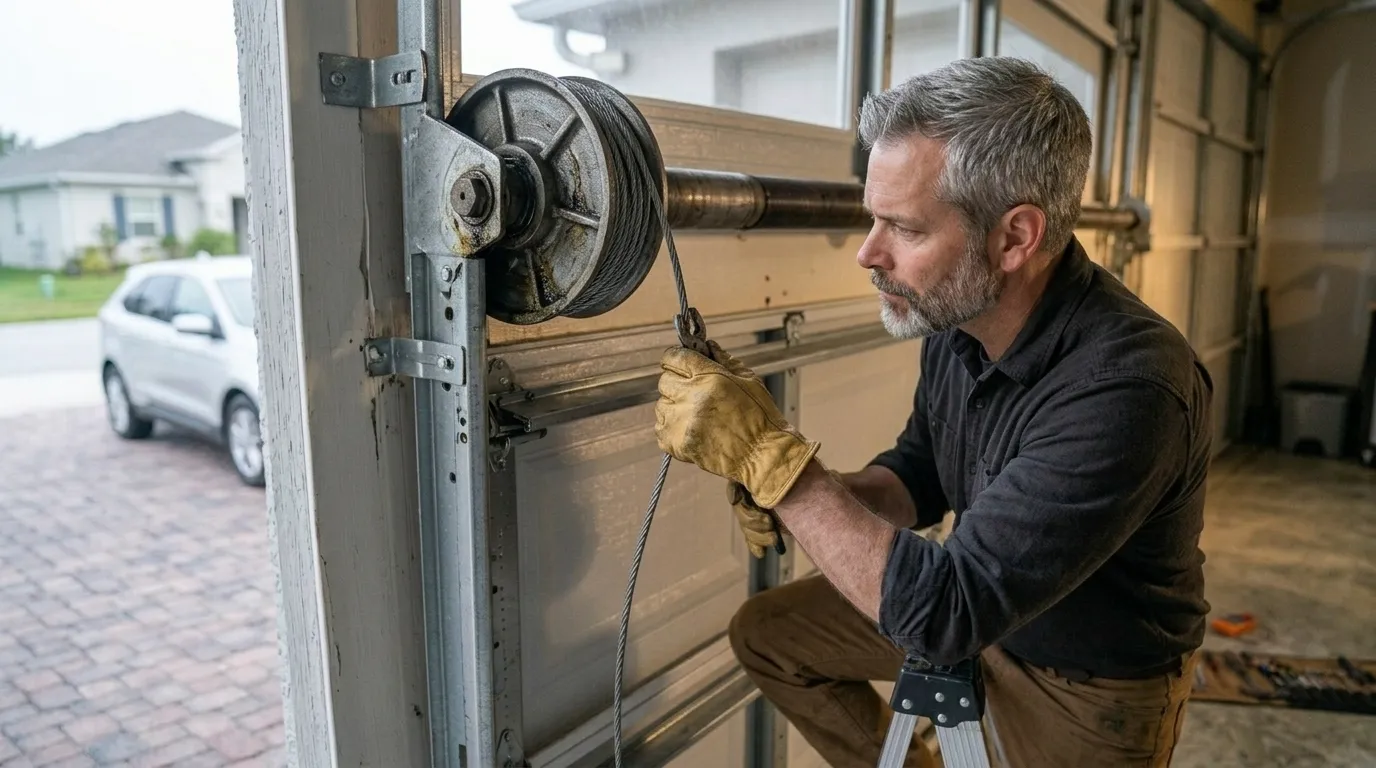
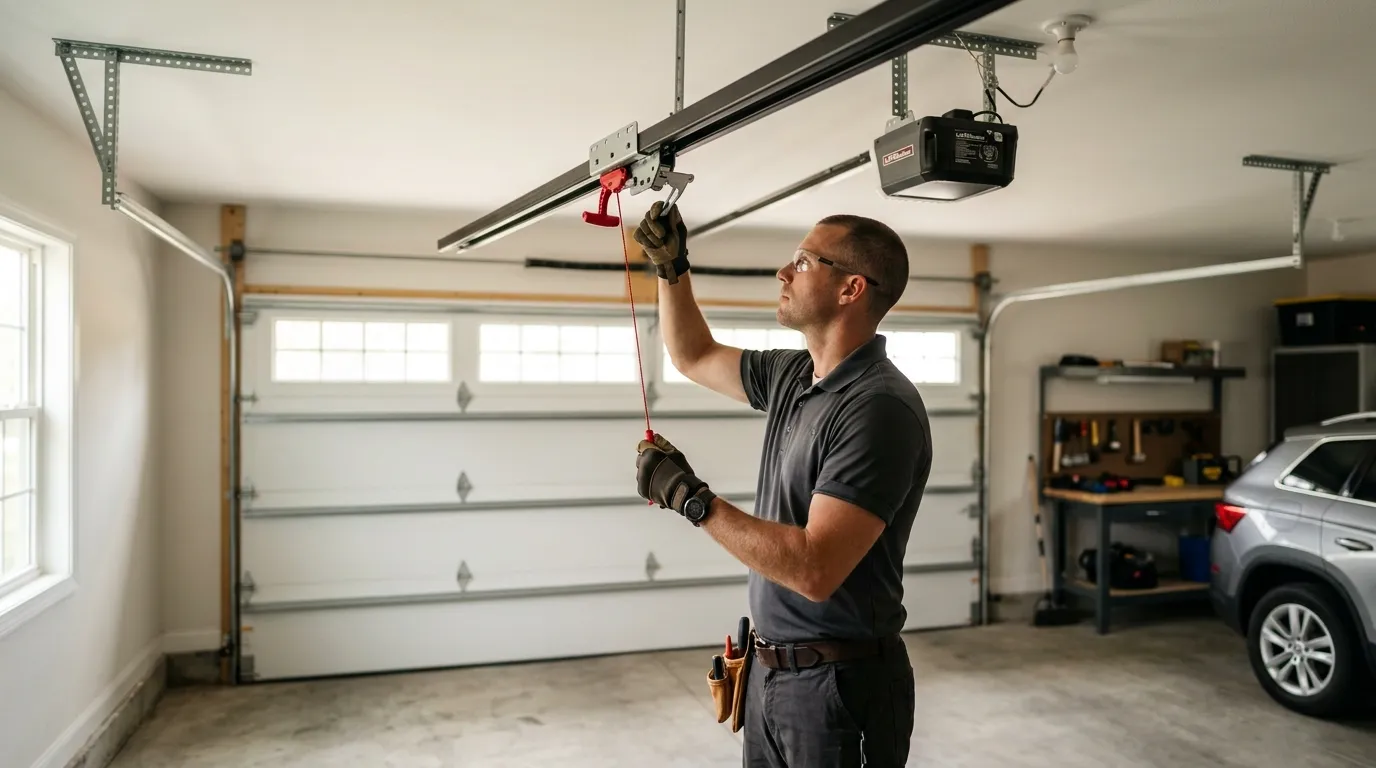
Frequently Asked Questions
Do you have a location in Pagedale?
No, we run out of St. Louis, about five miles away. We don't have a depot in Pagedale, but the distance is short enough that we schedule jobs here as part of our regular route rather than treating them as an add-on.
Why does my garage door feel heavier than a newer one?
A lot of Pagedale garages date to around 1952, and doors from that period were often built from heavier gauge steel or solid wood panels without the lighter modern cores. That extra weight is harder on springs and openers not sized for it, which is often the root of recurring problems.
Is it worth repairing an old door instead of replacing it?
Sometimes, sometimes not. If the frame and panels are still square and just the hardware has failed, repair usually makes sense. If the door itself is warped or the header's shifted, we'll tell you replacement is the better use of your money rather than stack another repair on top.
Why did my opener suddenly start struggling?
On older houses, the opener is often newer than the door it's lifting. If the door has gotten heavier over time - sagging panels, rust, added weight from repairs - the opener has to work harder than it was built for, which shows up as grinding gears or a motor that strains.
Get Your Door Fixed in Pagedale
Call now for same-area service.