
Nearby Community
Garage Doors Built for Sunset Hills' 1970s Housing Stock
Sunset Hills homes date mostly to 1978, later than the surrounding area, which means extension-spring hardware and aging steel doors. We travel out from St. Louis for the work.
- Licensed & Insured
- Same-Area Service Calls
- Upfront Pricing
The Houses Here
Sunset Hills sits on the newer end of the region's housing timeline. The service area overall runs 1947 to 1990 with a median build year of 1967, but Sunset Hills itself centers on 1978 - a decade later. That gap matters more than it sounds like it should.
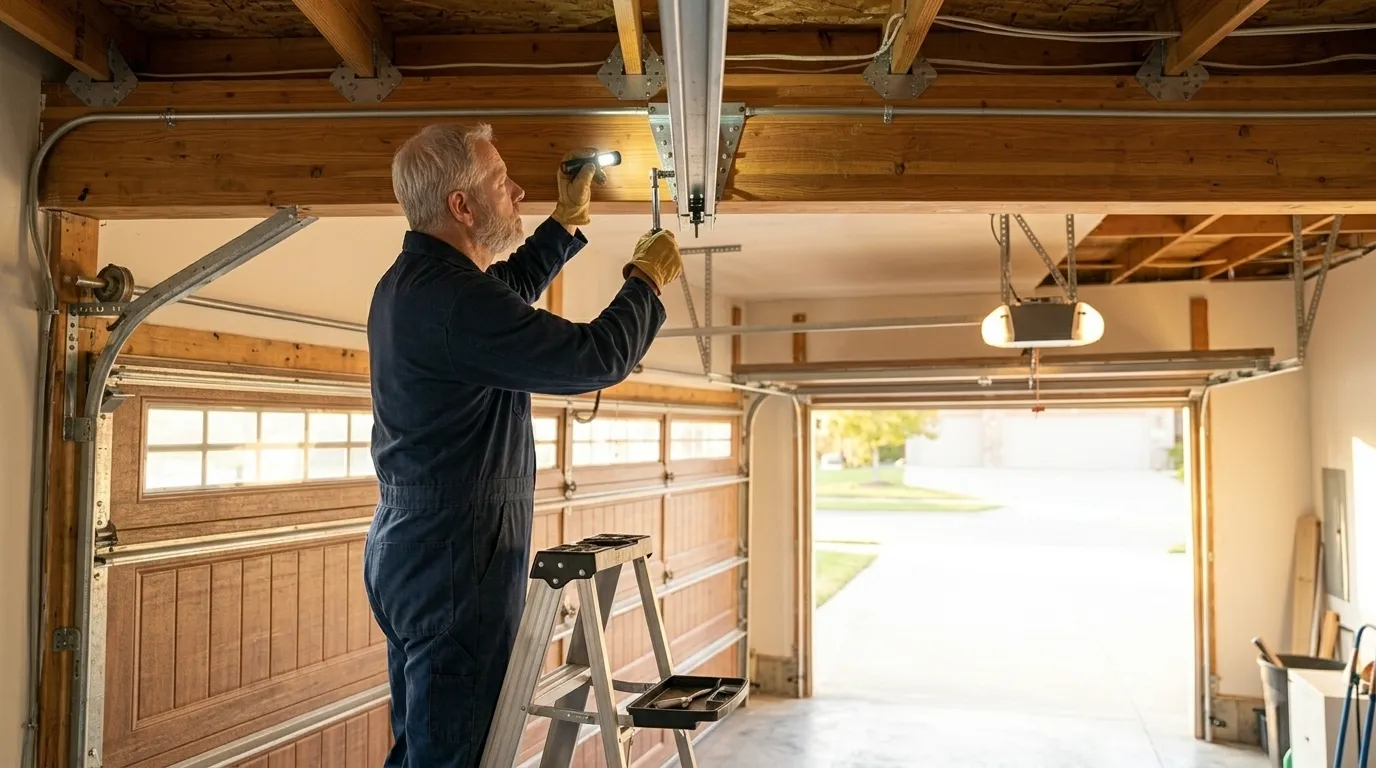
Houses built in the mid-to-late 1970s mostly went up with steel sectional doors on extension spring systems rather than the older side-mounted torsion setups you'll find on original one-piece doors from the 1950s stock elsewhere in the area. With 3,660 households in Sunset Hills, that's a fairly consistent generation of garage doors, most of them now pushing 45 to 50 years old if they haven't been replaced. Extension springs from that era were not built to run this long, and a lot of the openers bolted onto those doors are second or third replacements on original track and hardware that's never been swapped.
When we get a call from this area, the age math is usually the first thing we check, before we even ask what the door is doing.
How Soon We Can Come Out
We run out of St. Louis, and Sunset Hills is about 12 miles from there. We don't keep a truck stationed in town, so we're not going to tell you a fixed response window - that depends on where the truck already is and what's ahead of your call that day.
What we can tell you is that the drive is a known quantity for us; it's a route we run regularly, not a special trip. If your spring lets go on a Tuesday morning, call and we'll give you a real estimate on timing rather than a generic promise. Emergency calls - a door stuck open, a spring that's snapped and the car's trapped inside - get priority over routine maintenance visits, but even then it's worth asking directly what the queue looks like that day rather than assuming a number we haven't given you.
What We Do Most in This Area
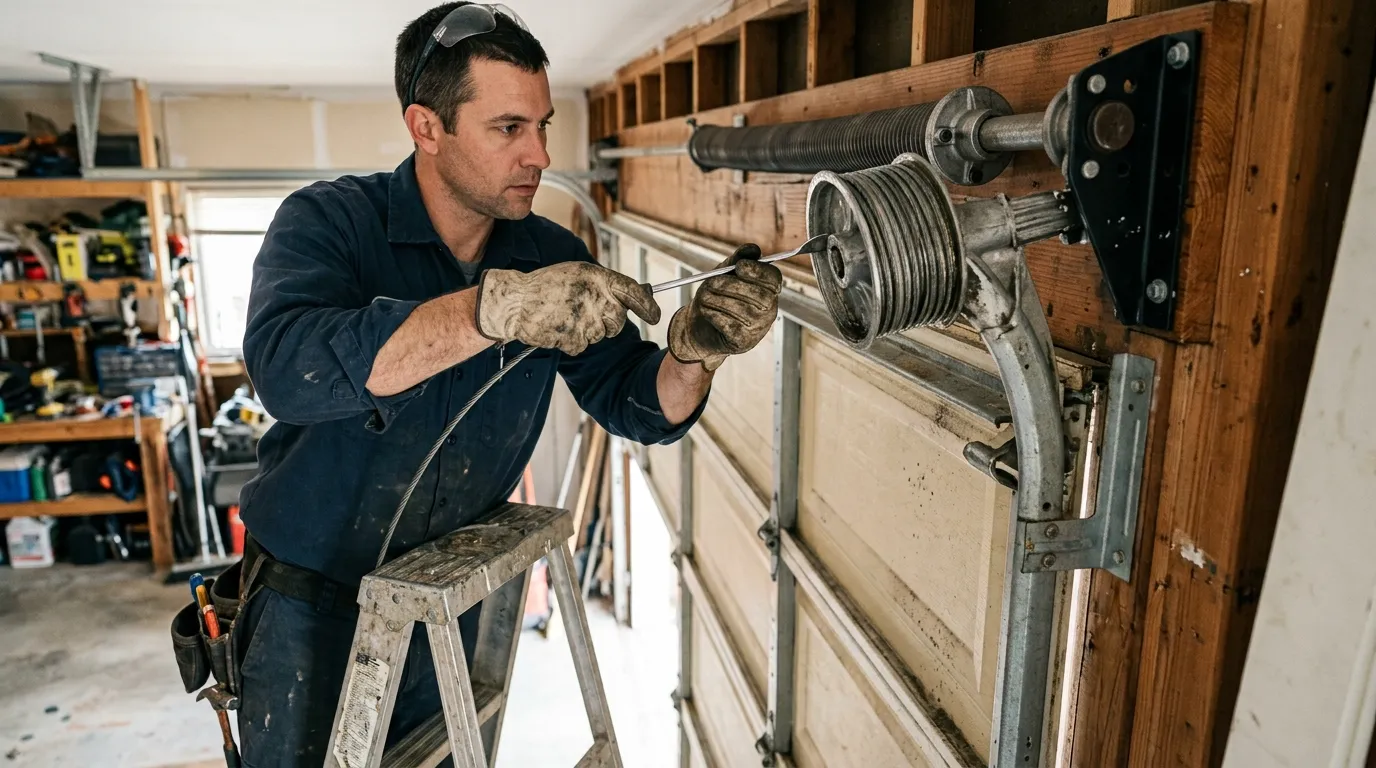
Given the 1978 median build year, the calls we get from Sunset Hills lean toward a specific set of problems. Extension spring failure is at the top of the list - those coils stretch and fatigue with age, and on a door that's original to a late-1970s build, they're well past a normal service life. Opener issues come in close behind, usually failing circuit boards or worn drive gears on units that have been replacing each other on the same track for decades.
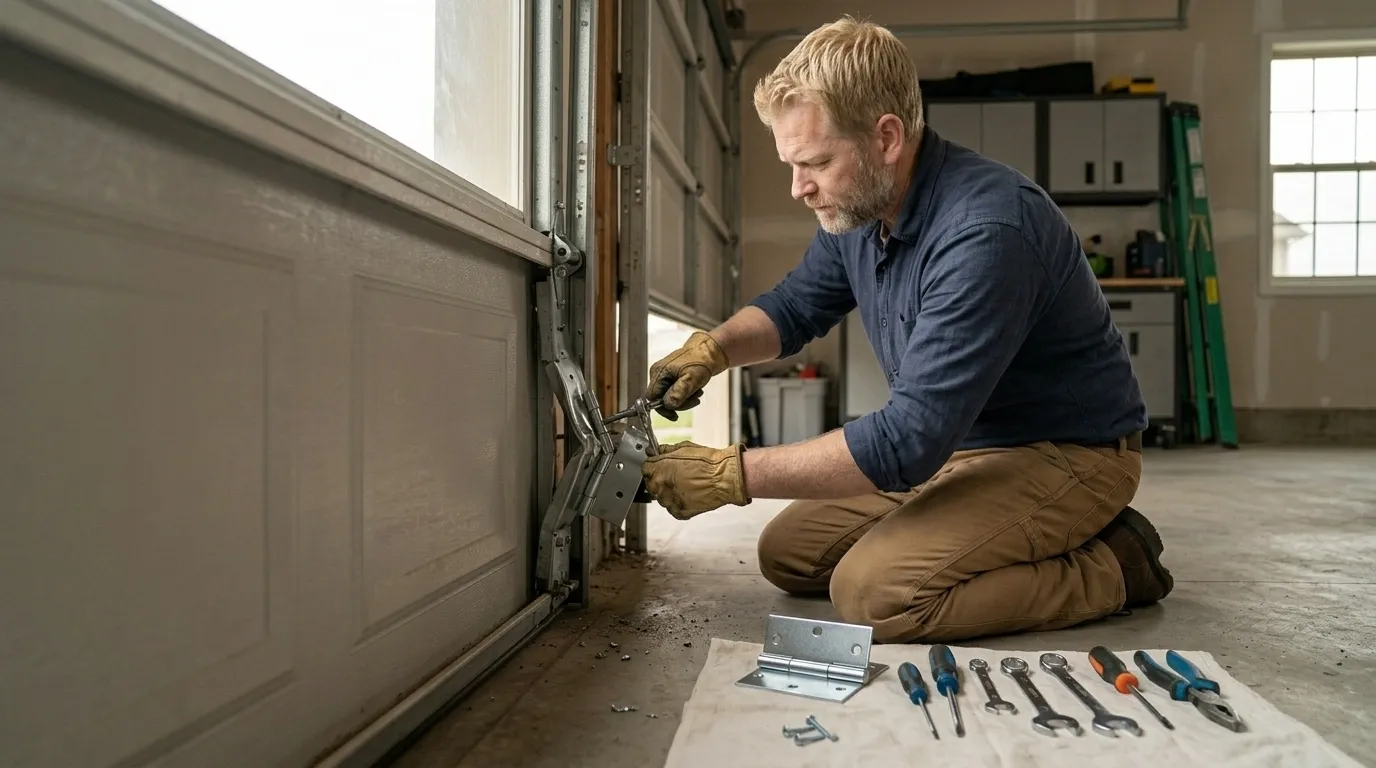
We also see roller wear that's typical of steel doors from this build era - the original steel rollers weren't designed to run this many cycles, and they show it in noise and binding before they fail outright. One honest limit here: if the door itself is original steel from 1978 and the track has warped or rusted through, patching the spring or opener buys you a little time but doesn't fix what's actually wrong. At that point replacement is usually the better call than another repair visit.
How That Shows Up in the Door
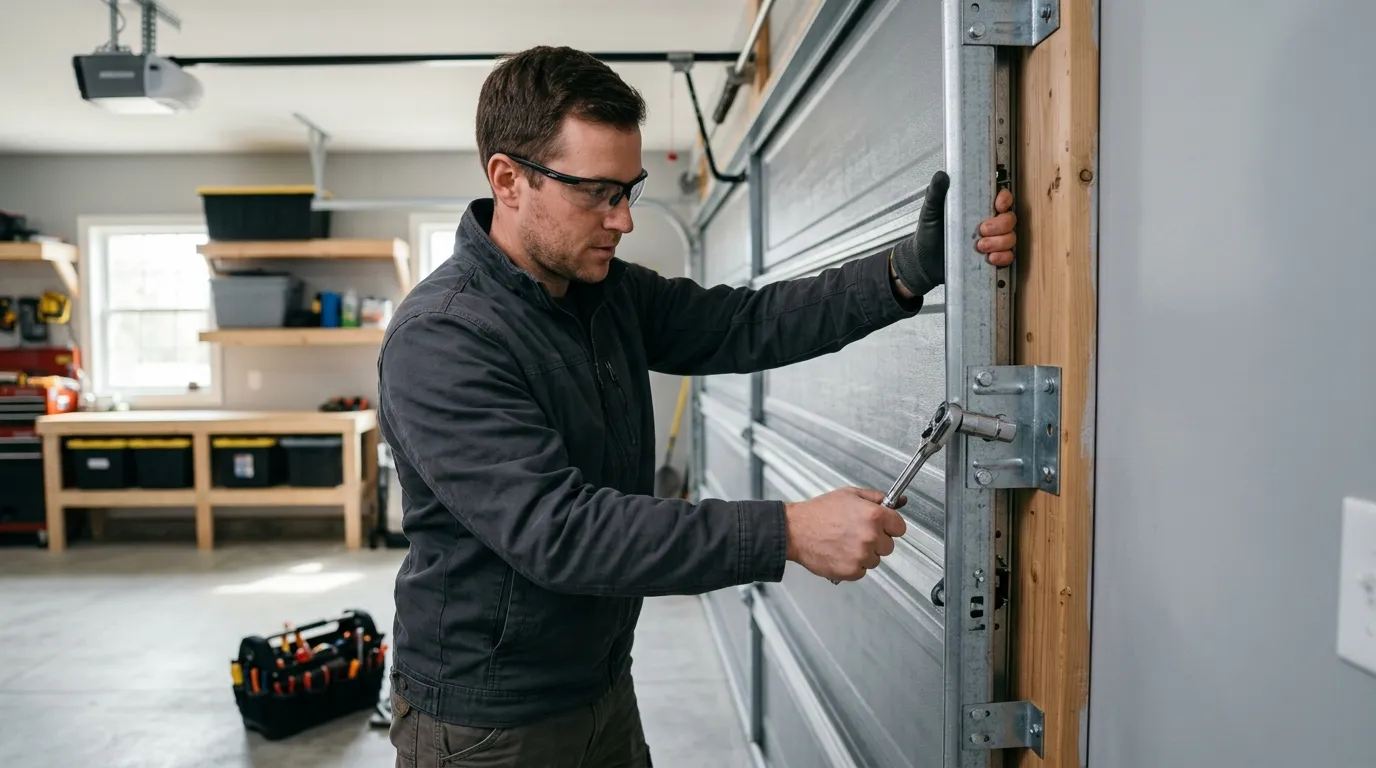
On a door this age, the symptoms show up before the failure does, if you know what to watch for. A door that's started drifting shut on its own, or that feels heavier than it used to when you lift it by hand with the opener disconnected, is telling you the extension springs have lost tension. Grinding or popping sounds during a cycle usually point to the original steel rollers, not the opener.
An opener that runs but doesn't fully close the door, or that reverses partway for no clear reason, is common on units with worn gears trying to drive hardware that's outlasted them. None of this is unique to any one house, but it's consistent enough across doors built around 1978 that we can usually make a good guess at the problem before we're standing in front of it - it's just a matter of confirming it once we're there.
How We Can Help
Garage Door Repair
Springs, cables, tracks, rollers, and openers fixed by a tech who explains the problem before touching anything.
Learn more →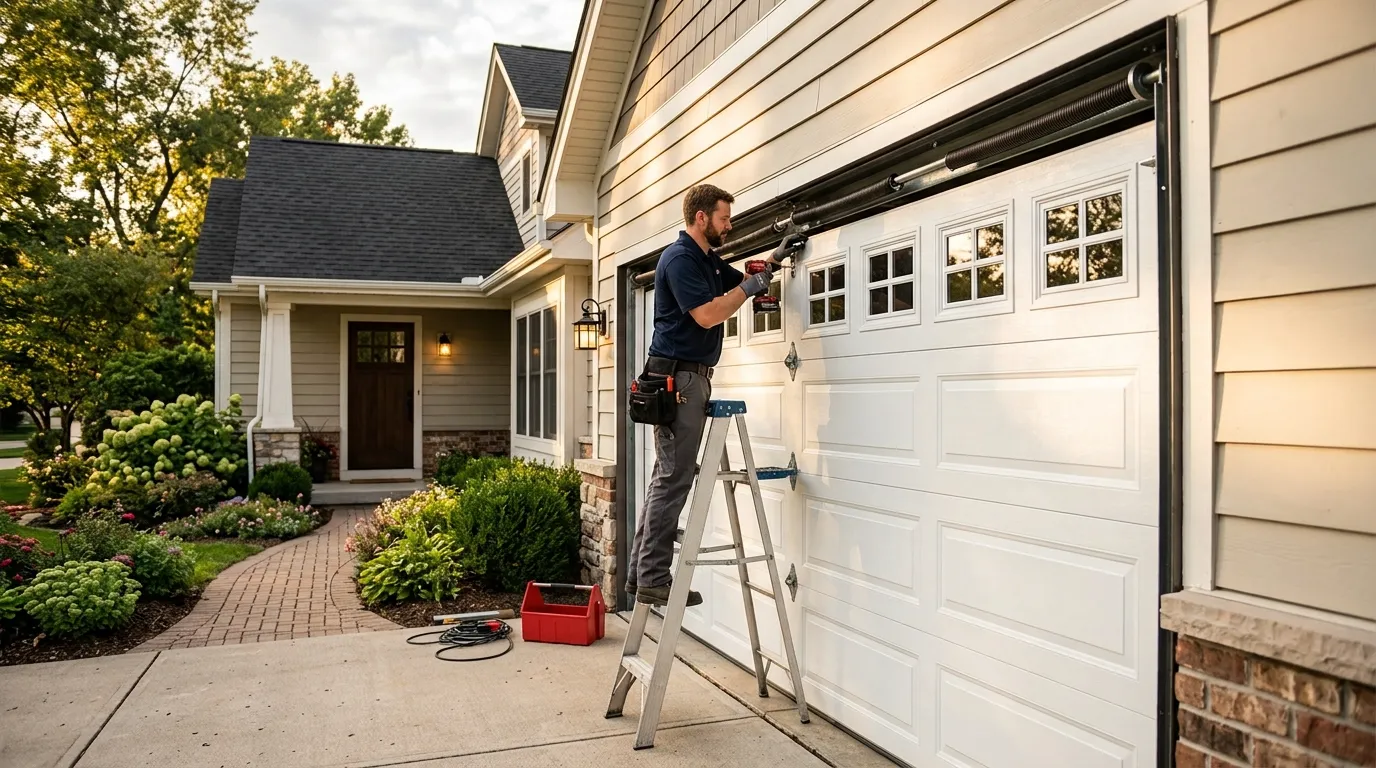
Garage Door Installation
New sectional doors sized and installed for the housing stock actually built in this area.
Learn more →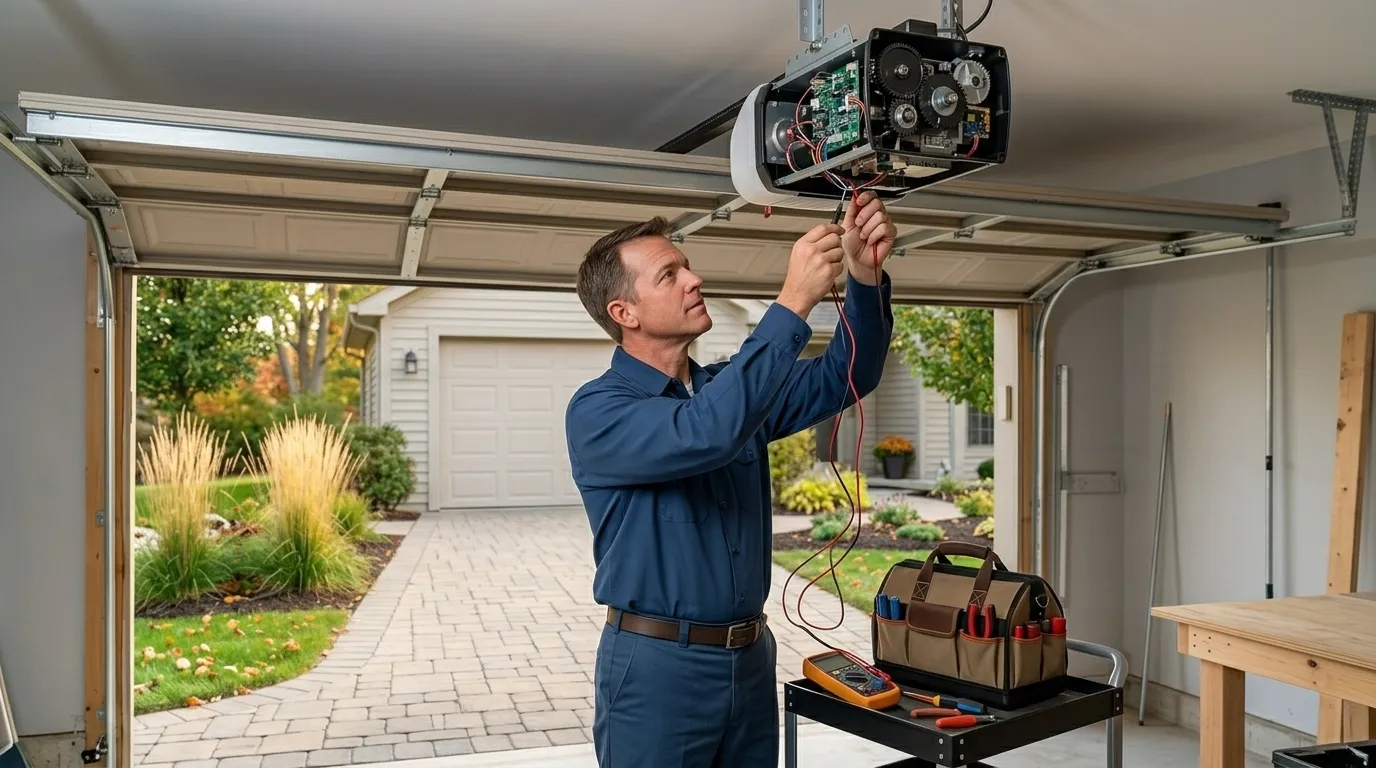
Garage Door Service
Tune-ups, lubrication, and safety checks that catch a small problem before it becomes a service call.
Learn more →What Happens When You Call
-
1
Call or Request a Quote
Tell us what the door is doing and roughly how old the house is - that alone points us toward the likely part before a truck leaves.
-
2
On-Site Diagnosis
A tech checks the spring, cables, tracks, and opener in person and tells you plainly what is actually wrong.
-
3
Straight Price, No Surprises
You get a number before any work starts. It covers parts and labor, nothing added after the fact.
-
4
Fixed the Same Visit
Most repairs are done in one trip. If a part needs sourcing, we tell you that upfront instead of guessing.
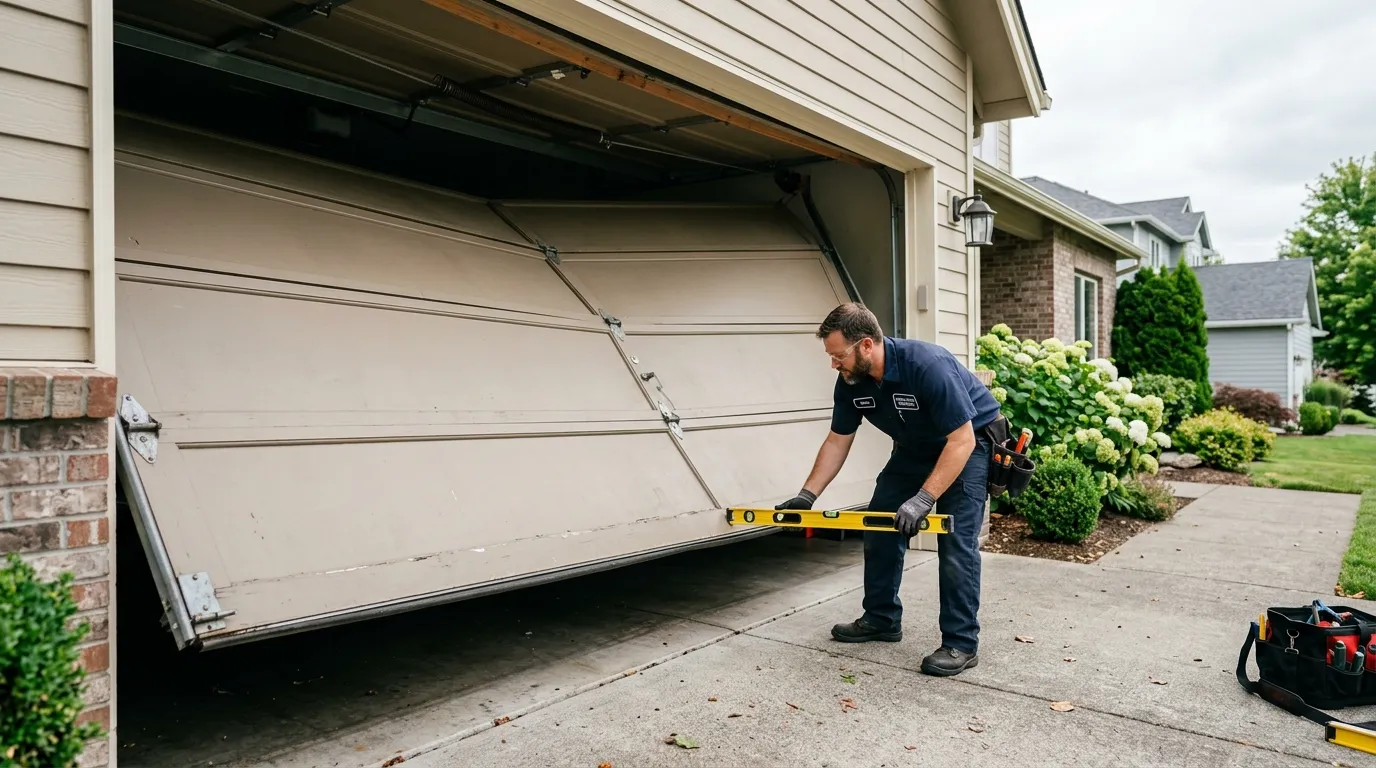
Recent Work Near Sunset Hills
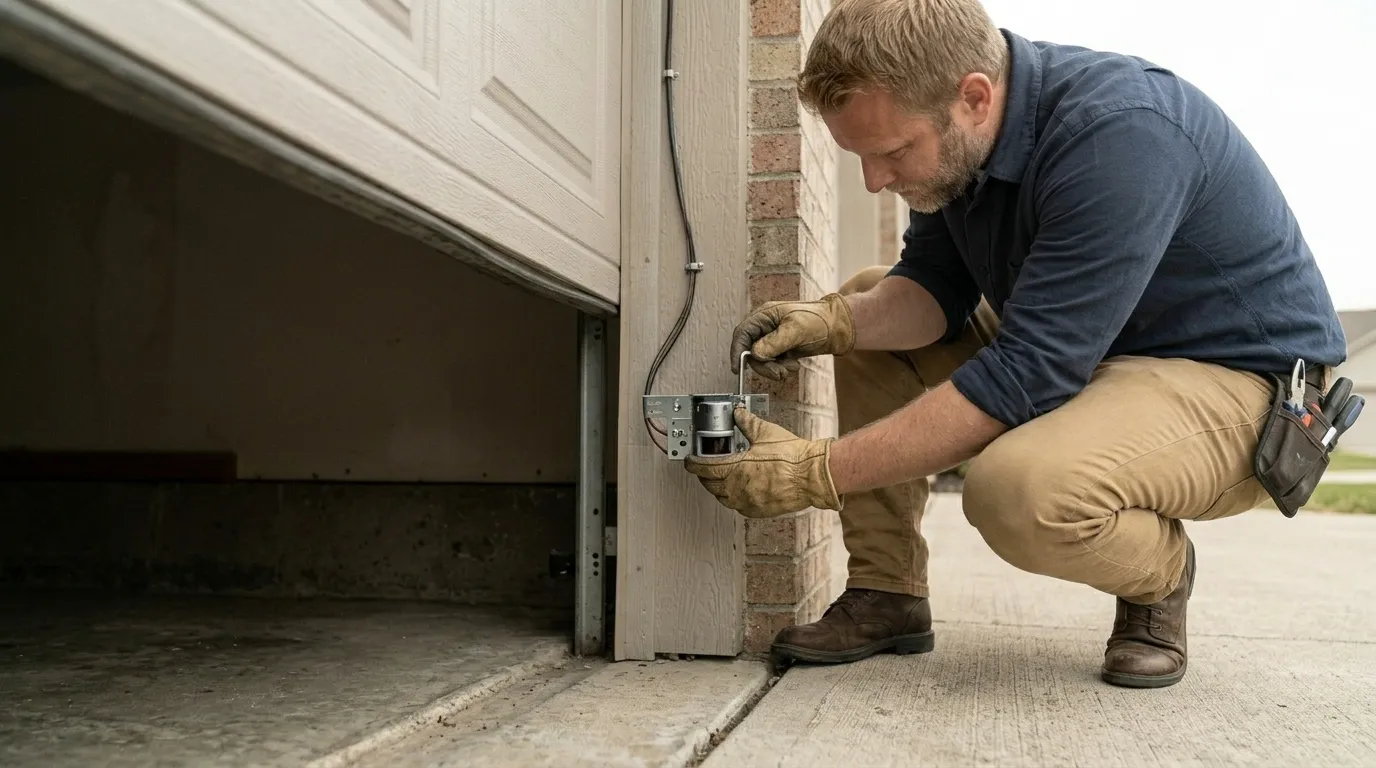
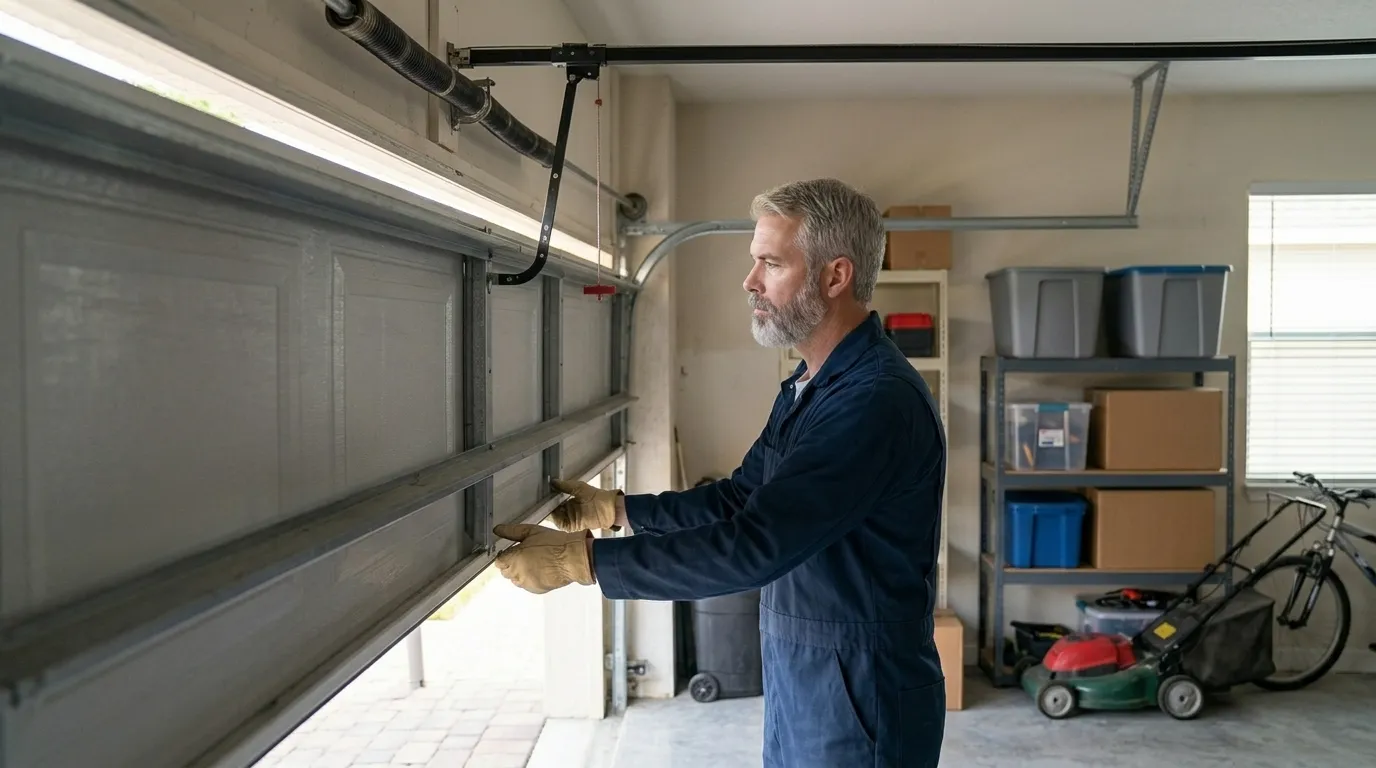
Frequently Asked Questions
How old is a typical garage door in Sunset Hills?
Most houses here were built around 1978, and a lot of the garage doors and hardware are original or close to it. That puts a large share of doors in this area at 45 to 50 years old, well past the working life of extension springs and original steel rollers.
Do you have a shop in Sunset Hills?
No. We run out of St. Louis, about 12 miles away. We come out for calls in Sunset Hills regularly, but there's no local depot here, so response time depends on the truck's schedule that day rather than a fixed window.
Is it worth repairing an original 1970s door or should I replace it?
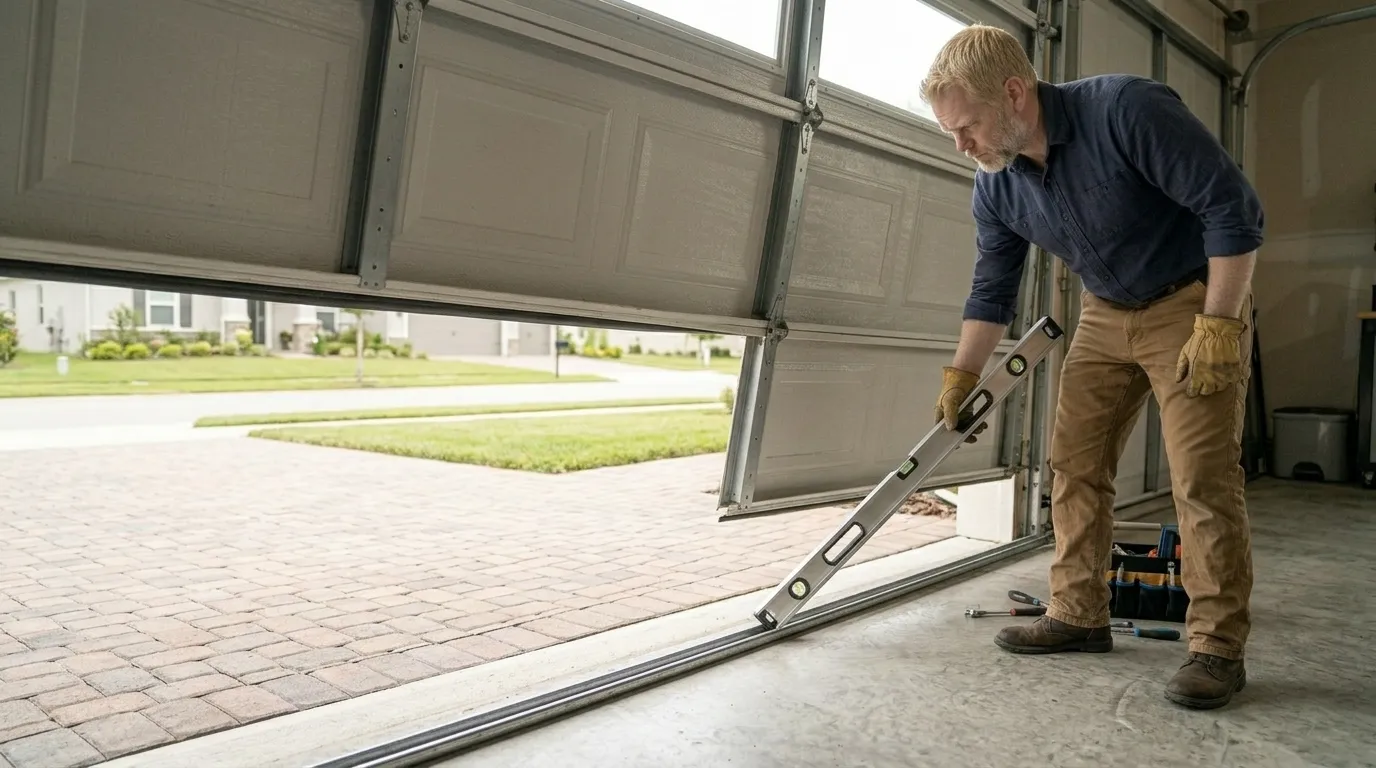
It depends on the track and door panels, not just the spring or opener. If the steel is warped, rusted through, or the track's out of alignment, a spring or opener fix is a short-term patch. If the door itself is sound, repairing the spring or opener is usually the better move.
What garage door problems are most common in this area?
Extension spring failure and opener circuit or gear issues, both tied to the age of the housing stock here. Roller wear on original steel doors from the late 1970s is also common, usually showing up as grinding or binding before the door fails outright.
Get Your Door Fixed in Sunset Hills
Call now for same-area service.