
Nearby Community
Garage Door Service for Valley Park Homes
Valley Park homes mostly went up after 1980 - newer hardware, different failure points. We travel 15 miles from St. Louis to work on them. See what that means for your door.
- Licensed & Insured
- Same-Area Service Calls
- Upfront Pricing
The Houses Here
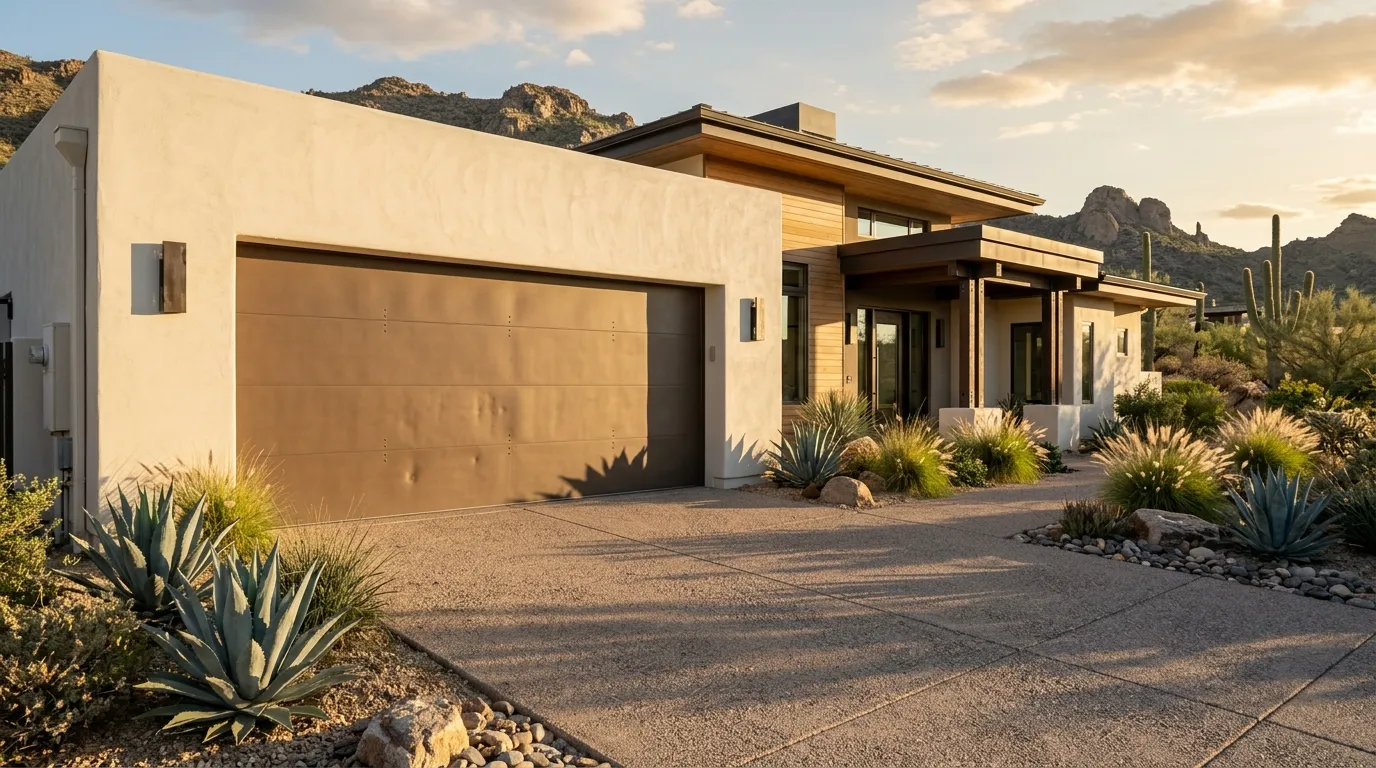
Valley Park sits apart from most of the neighborhoods we cover. Across the wider service area the median home was built in 1967, with most stock going up between 1947 and 1990.
Valley Park's median build year is 1990 - twenty-plus years newer than the region as a whole. That gap matters more than it sounds like it should.
A house built in 1990 was framed for a different door than one built in 1965. By 1990, steel sectional doors on extension or torsion springs were standard, garage openings were wider, and openers were already common at install rather than bolted on later. The one-piece slab doors and side-mounted torsion hardware you find in older parts of the region are rare here.
With 3,166 households in Valley Park, this is a smaller area than most of the communities we service, and a good share of those garages are original 1980s-90s builds now hitting the age where springs fatigue and openers start failing on their own schedule rather than all at once. Median household income here is $64,470, below the $84,389 median across the broader area we cover - worth knowing if you're deciding between a repair and a full door swap.
How Soon We Can Come Out
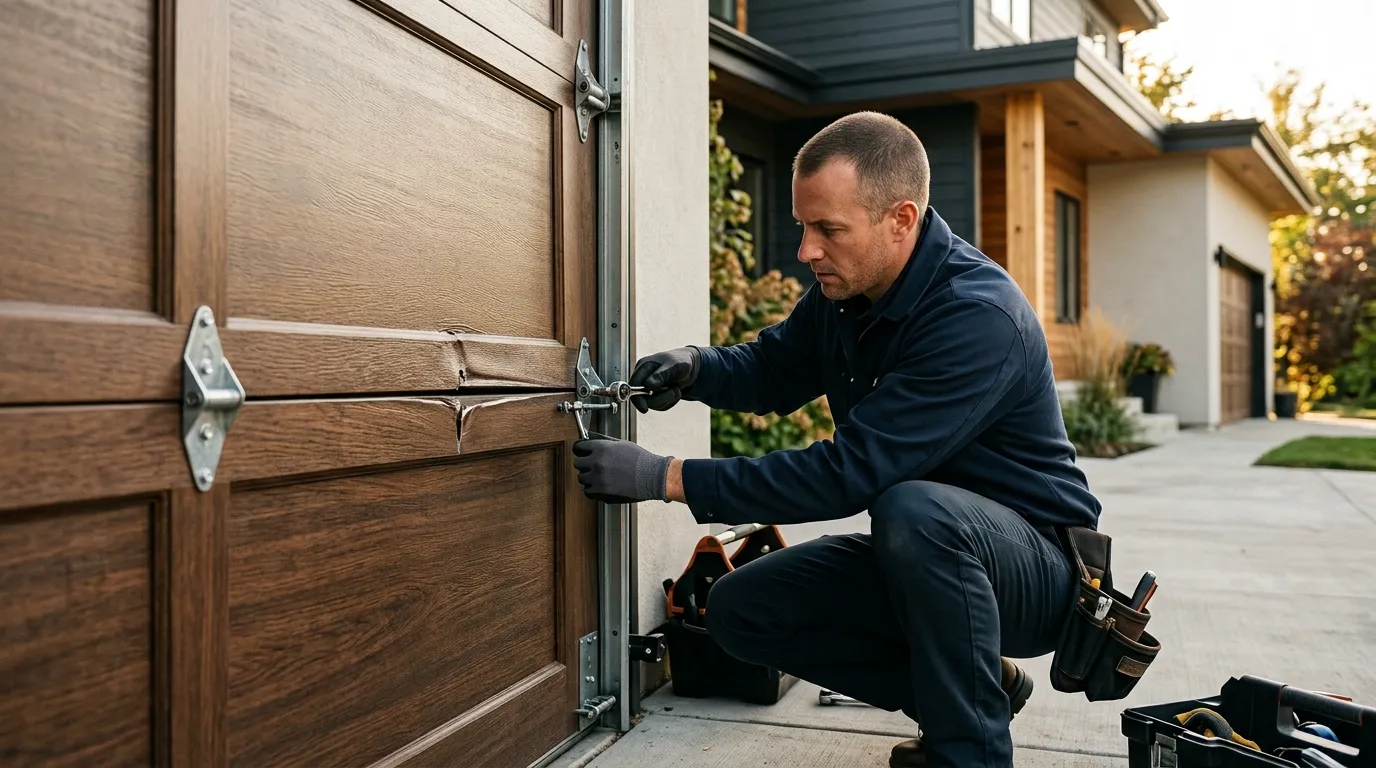
We're based out of St. Louis, and Valley Park is about 15 miles out - toward the outer edge of the ground we cover day to day.
We don't keep a crew stationed in Valley Park, so we're driving in every time, same as we would to any of the farther-out spots on our route. That's worth saying plainly: if your spring goes at 6pm on a Friday, we're not around the corner.
What we can tell you is that the trip doesn't change how the job gets done once the truck's in your driveway. Torsion springs, cable replacement, opener swaps, panel repair - all handled the same way regardless of the drive. If timing is tight, tell us that up front when you call so we can plan the route accordingly.
What We Do Most in This Area
Because Valley Park's housing is newer than most of what we see closer to St. Louis, the calls skew differently.
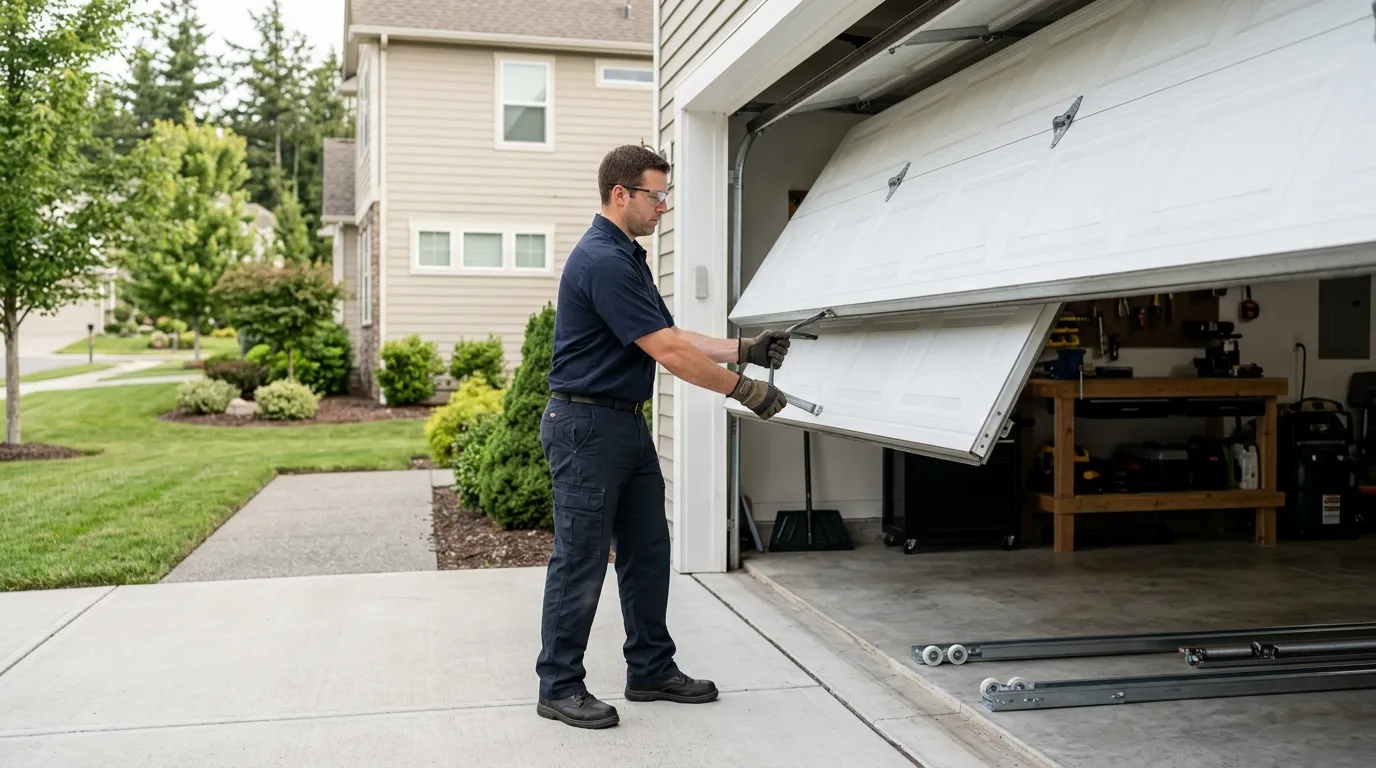
Fewer ancient one-piece doors that need full hardware replacement, more late-80s and 90s steel sectional doors where the springs are original and finally giving out, or where a builder-grade opener from that era is on its last gear set. Extension spring failures show up more here than the torsion-spring jobs common in older neighborhoods - a lot of 1980s-90s garages were built with extension springs along the horizontal track as the standard setup.
We also see more opener-only calls: circuit boards failing, drive gears stripping, safety sensors going out of alignment after 20-30 years of use. It's less about structural door repair and more about the mechanical parts wearing out on schedule. One thing worth knowing - if a 30-year-old opener needs a part that's no longer made, replacement usually costs less than tracking down a discontinued board.
How That Shows Up in the Door
On a 1990s-era Valley Park garage, the failure pattern tends to be mechanical rather than structural. The door panels themselves - steel sectional, insulated or not - usually hold up fine for decades. What gives out first is almost always a moving part: extension springs stretched past their rated cycle count, worn rollers rattling in the track, or an opener motor drawing more current than it should right before it quits.
Compare that to an older door on the same street from an earlier build phase, and you'd more likely be dealing with a bent track from age or a torsion spring on a shaft that's rusted in place. Valley Park's newer stock means the fixes usually run simpler and faster: spring replacement, roller swap, opener board or motor - not the frame and header work that shows up on much older doors. Cold winters still take a toll either way - the moderate cold climate here means grease stiffens and metal contracts, which is often what pushes an already-worn spring or roller past the point of quiet operation into outright failure.
How We Can Help
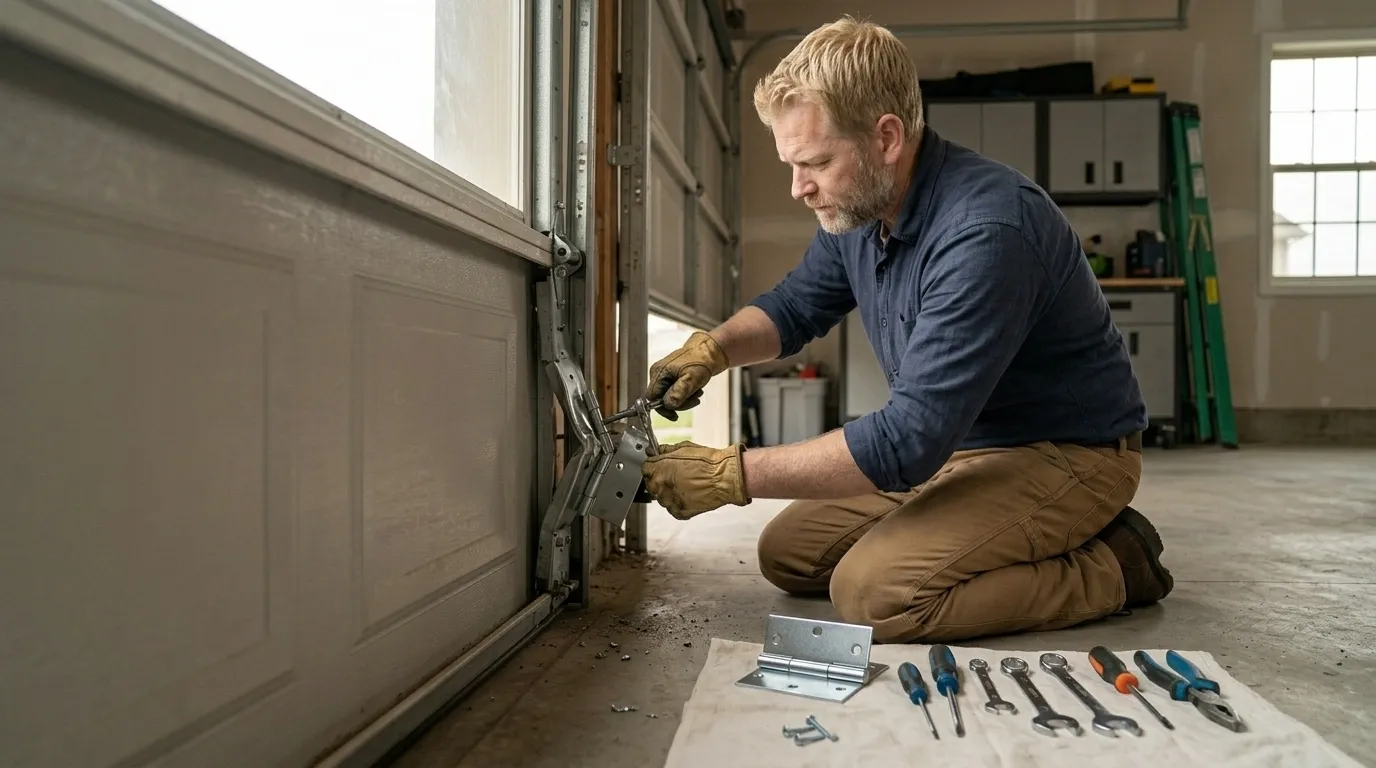
Garage Door Repair
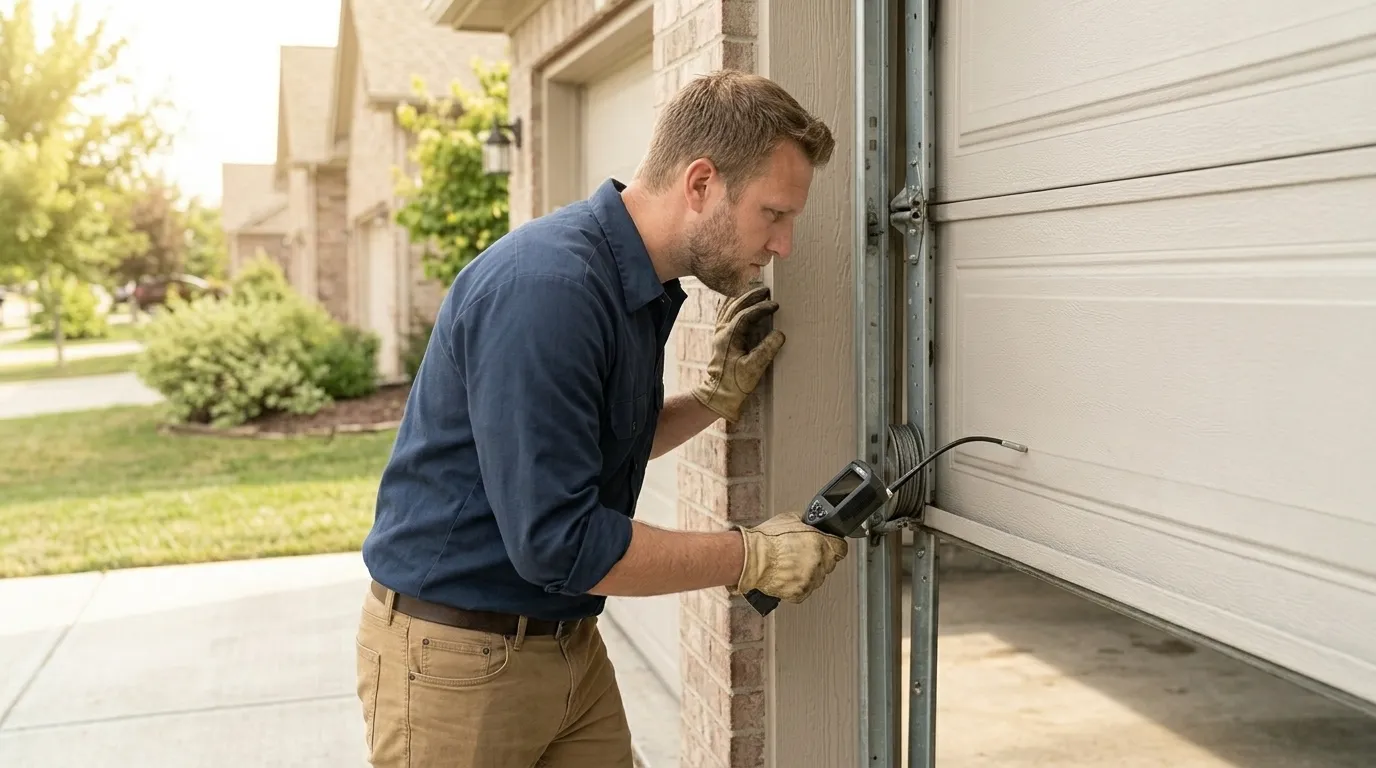
Springs, cables, tracks, rollers, and openers fixed by a tech who explains the problem before touching anything.
Learn more →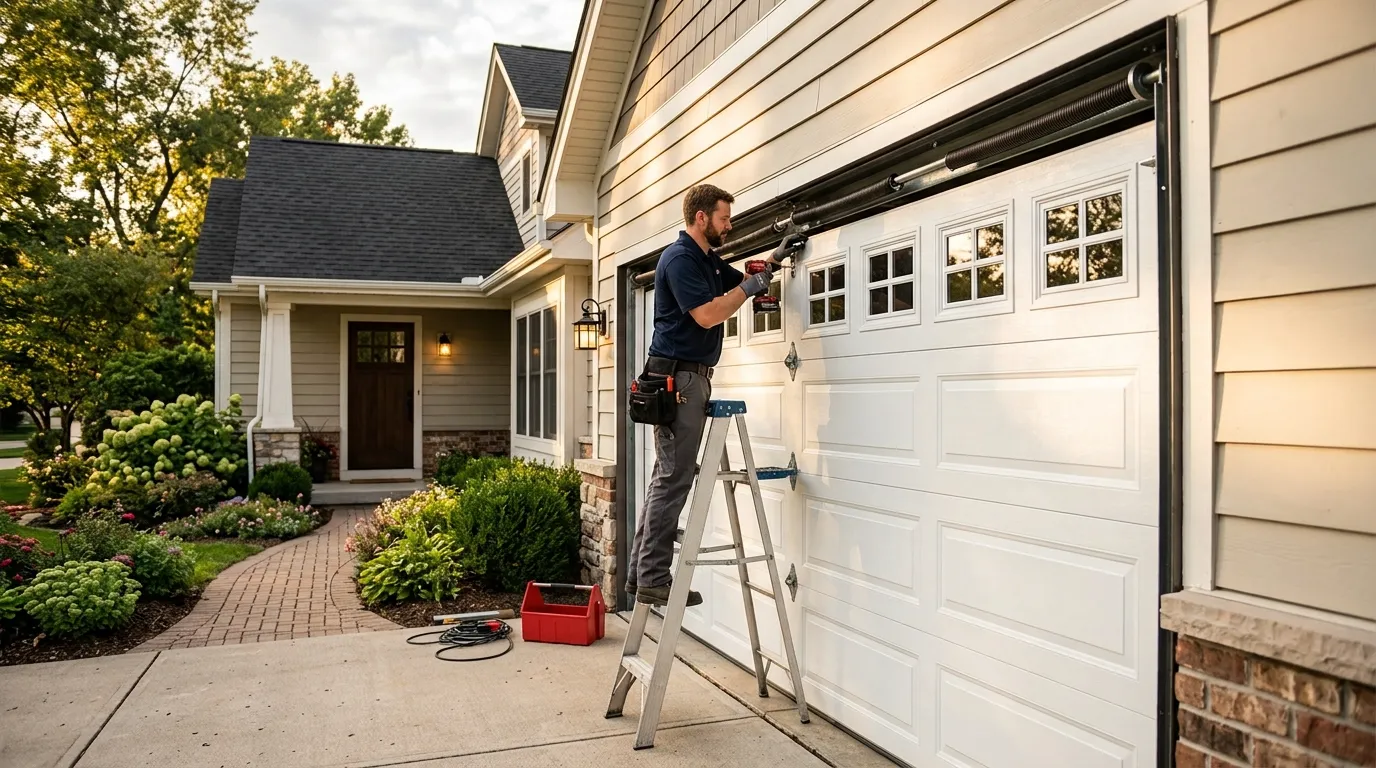
Garage Door Installation
New sectional doors sized and installed for the housing stock actually built in this area.
Learn more →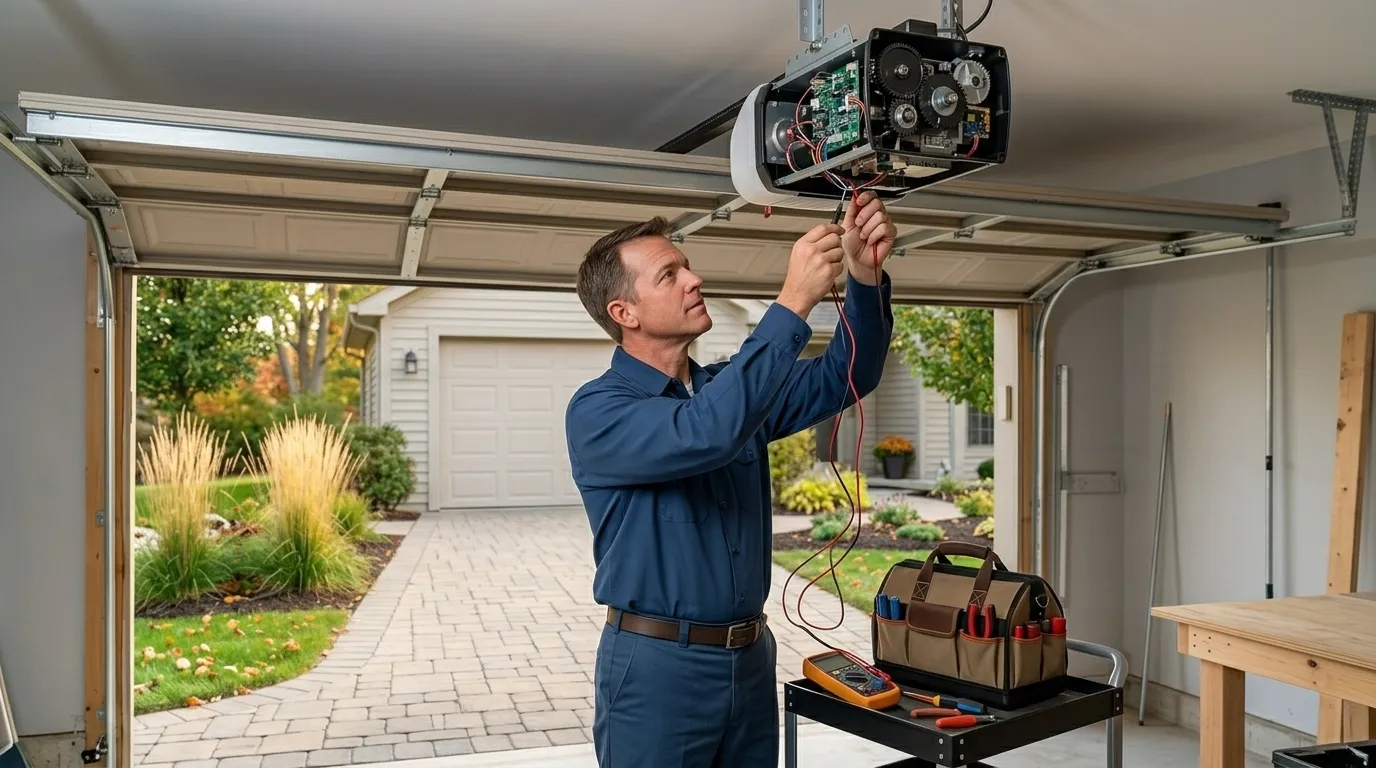
Garage Door Service
Tune-ups, lubrication, and safety checks that catch a small problem before it becomes a service call.
Learn more →What Happens When You Call
-
1
Call or Request a Quote
Tell us what the door is doing and roughly how old the house is - that alone points us toward the likely part before a truck leaves.
-
2
On-Site Diagnosis
A tech checks the spring, cables, tracks, and opener in person and tells you plainly what is actually wrong.
-
3
Straight Price, No Surprises
You get a number before any work starts. It covers parts and labor, nothing added after the fact.
-
4
Fixed the Same Visit
Most repairs are done in one trip. If a part needs sourcing, we tell you that upfront instead of guessing.
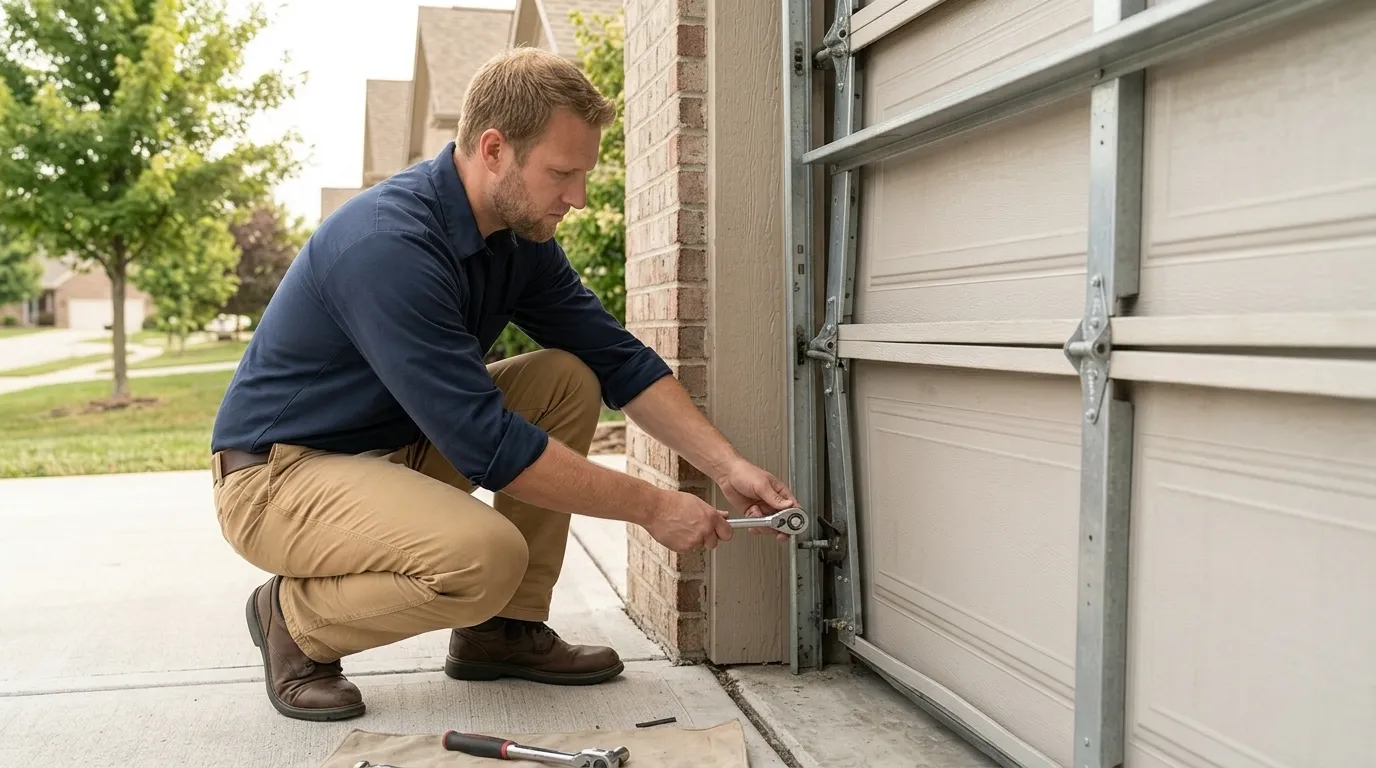
Recent Work Near Valley Park
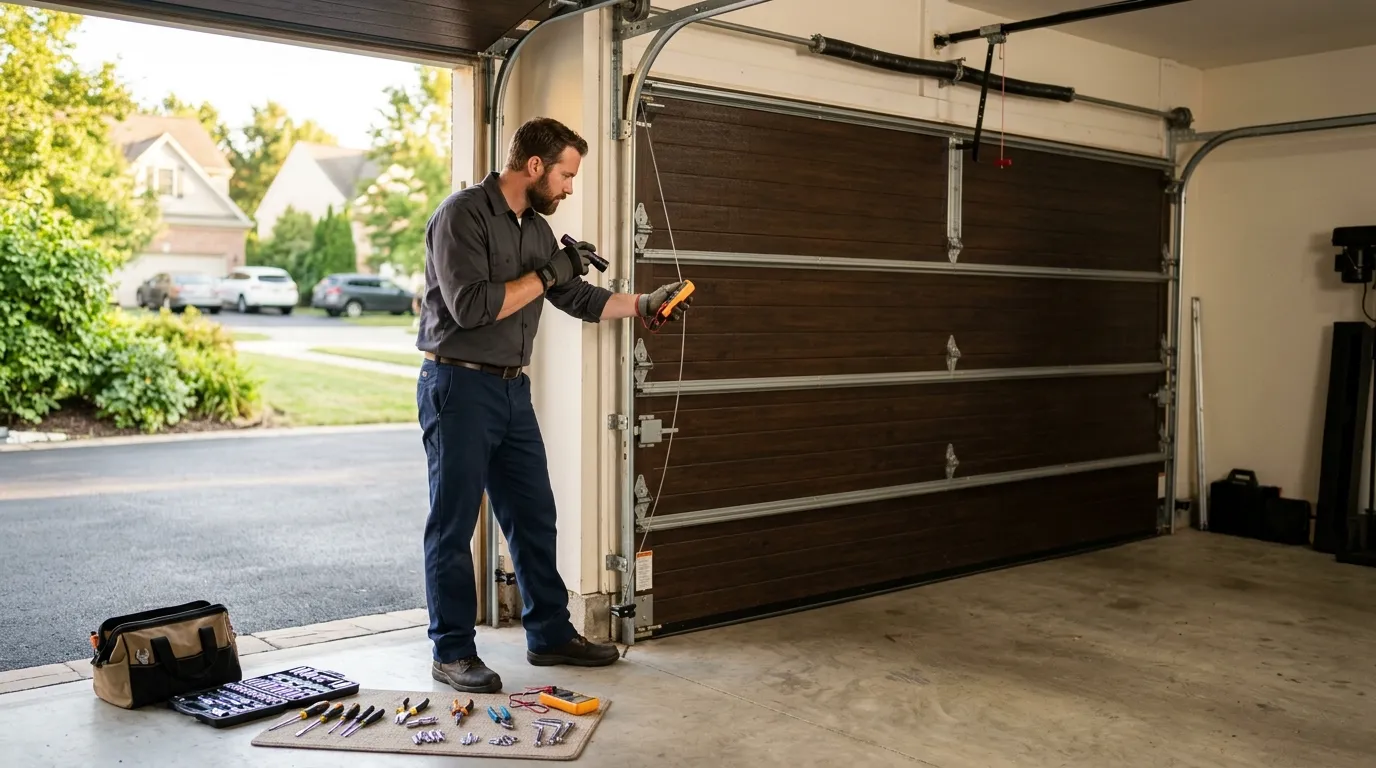
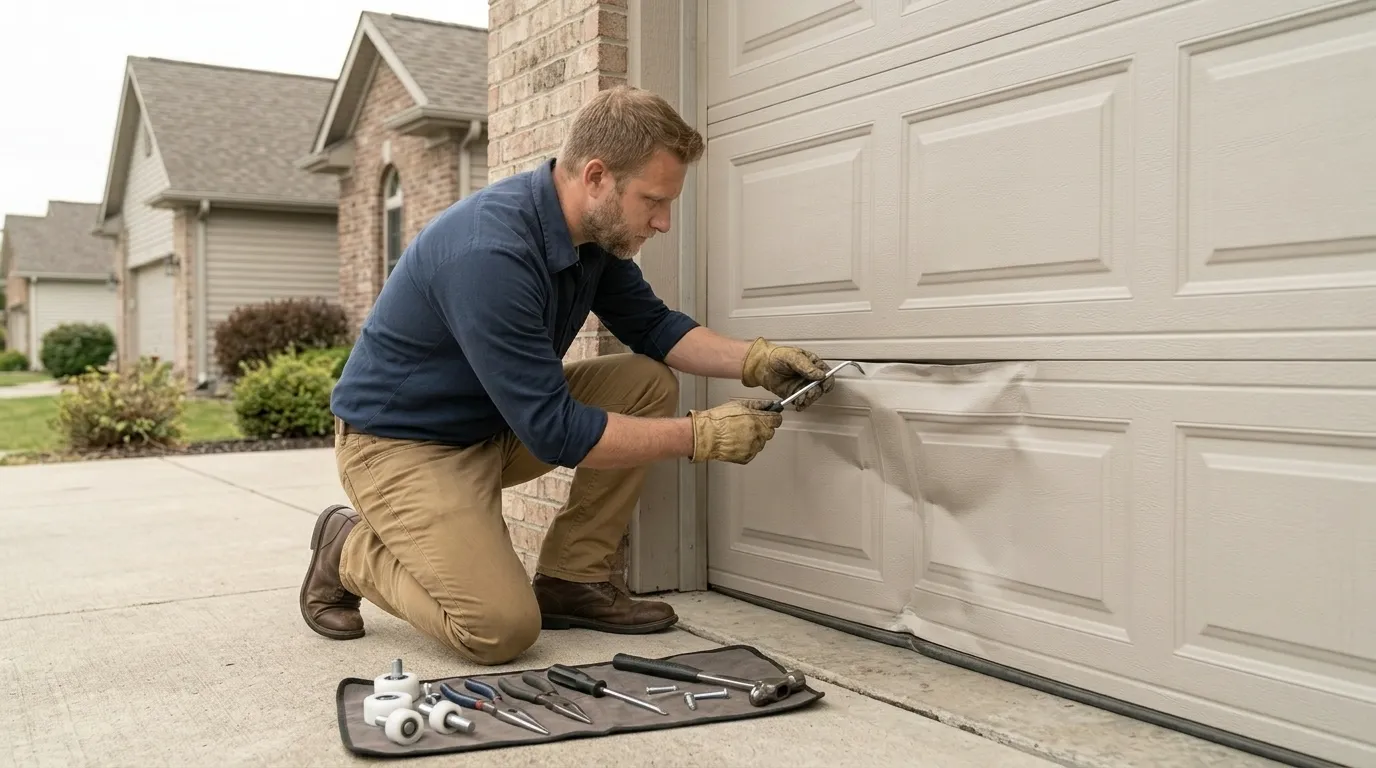
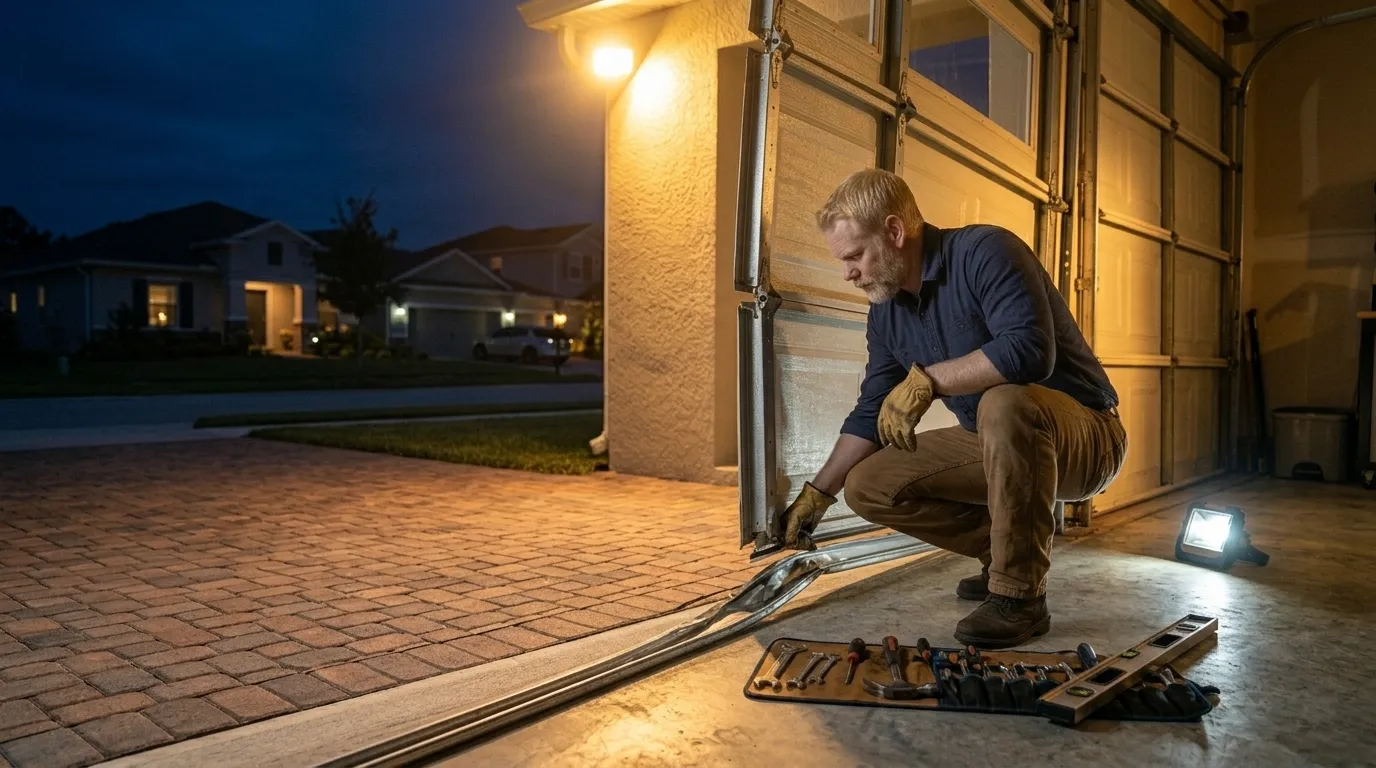
Frequently Asked Questions
Are Valley Park garage doors different from ones closer to St. Louis?
Generally yes. Valley Park's median home was built around 1990, well newer than the 1967 median across the wider area we serve. That means more steel sectional doors on extension springs and fewer of the old one-piece slab doors and side-mounted torsion setups you find in older neighborhoods closer in.
Do you have a location in Valley Park?
No. We're based in St. Louis and drive out to Valley Park, roughly 15 miles each way. We cover it as part of our regular service area, but there's no depot or standing crew here - every job means a drive in.
What's the most common repair call from Valley Park?
Extension spring failure and opener problems - stripped gears, failing circuit boards, misaligned sensors - come up more often here than structural door repair. That tracks with the age of the housing stock, which is newer than much of the rest of the area.
Is it worth repairing an old opener instead of replacing it?
Depends on the part. If it's a common failure - gear, sensor, capacitor - repair usually makes sense. If the board itself is bad and the opener is 25-30 years old, a discontinued part can cost more to source than a new opener costs installed. We'll tell you straight which way it leans before doing the work.
Get Your Door Fixed in Valley Park
Call now for same-area service.