
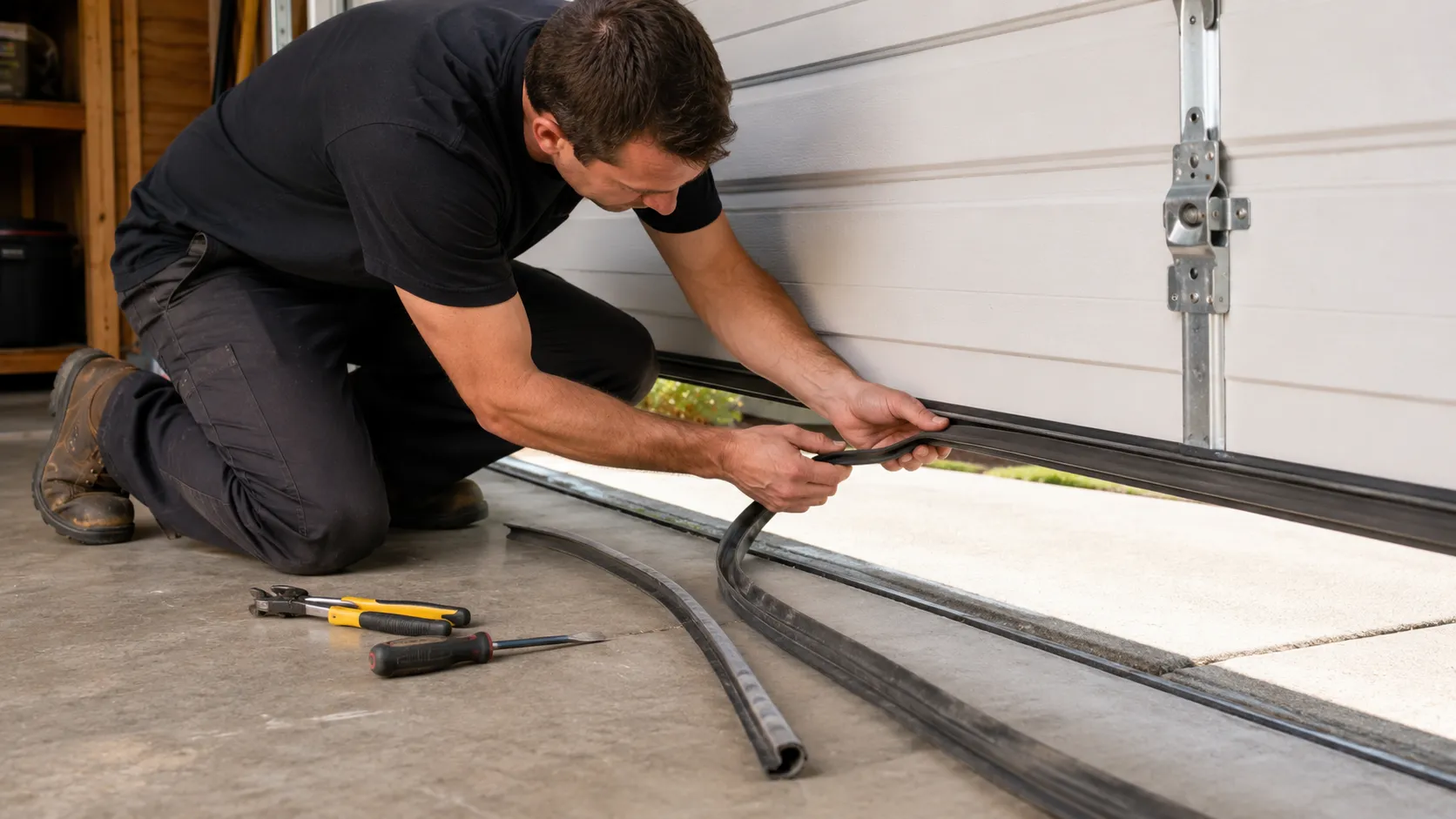
St. Louis Garage Door Guide
How We Diagnose a Garage Door Problem in St. Louis
A look at how St. Louis Garage Door Pros diagnose door and opener trouble, tied to this area's 1947-1990 housing stock and cold-climate wear patterns.
- Licensed & Insured
- Same-Area Service Calls
- Upfront Pricing
What It Costs
We can't give you a number over the phone that means anything, and we won't pretend to. A broken spring on a door installed when a house went up in 1968 costs different money than the same repair on a door replaced five years ago, because the drums, the cable gauge, and sometimes the whole track width are different. Across this service area, median household income sits at $84,389, and most of the doors we open up were installed sometime between 1947 and 1990 - a 43-year span that covers three or four generations of hardware standards.
That's the honest limitation: until a tech has the door open and the spring off the shaft, we're guessing, and we'd rather not guess in writing. What we can tell you is that older torsion setups on pre-1970s houses often need a spring size nobody keeps on the truck as a stock item, which adds a day, not a repair-vs-replace decision made on the spot. If the opener is original to a 1960s build, replacing it usually costs less over time than chasing parts for a chain-drive unit that hasn't been made in decades.
What Is Going On
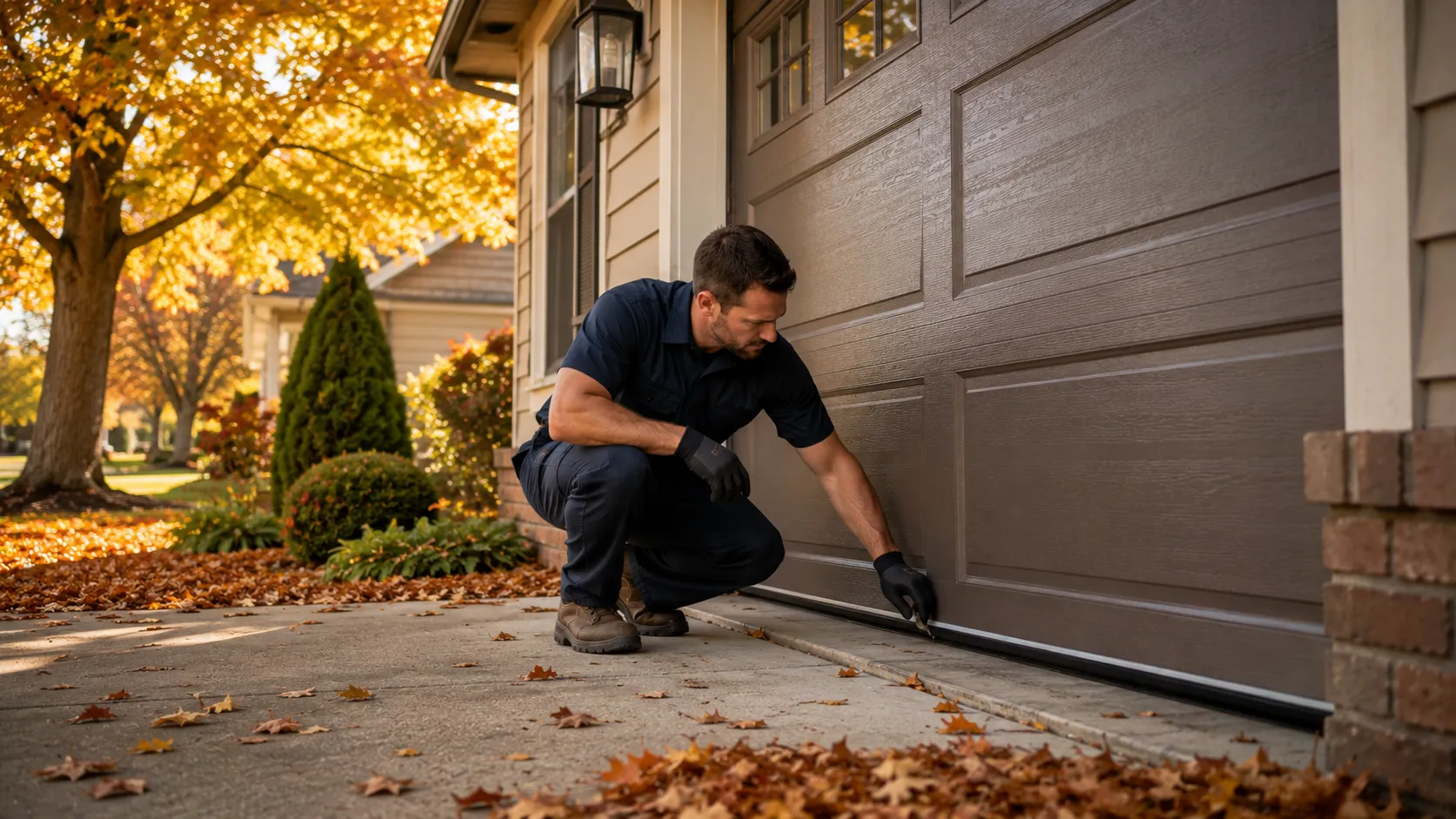
The first thing a technician checks isn't the spring - it's the year the house was likely built, because that tells him what he's about to find under the panel. With 146,725 owner-occupied houses across a service area where the housing stock runs mostly 1960s and 70s, we see a lot of doors that are original or one replacement removed from original, whether the call comes from Kirkwood, Webster Groves, Clayton, or one of the other 49 named areas we cover. He'll look at the spring type first - torsion mounted above the door versus an older extension setup on the side rails - because that decision was often made based on ceiling clearance in houses built before attached garages had much headroom to spare.
Next is the track: bent, rusted at the bottom rollers, or pulling away from the jamb where wood framing has shifted over 50-plus years. Then the opener, checking whether it's a later retrofit bolted onto original hardware, which is common in this housing stock and often the actual source of a noise the homeowner blamed on the door itself.
What the Weather Here Does to It
This area sits in a cold, moderate climate band, which means the door hardware goes through a real freeze-thaw cycle every winter, not just a couple of cold snaps. Steel springs contract in the cold and lose a little tension range each cycle; on a door original to a 1960s house, that spring has been through decades of this and it shows in the coil spacing. Cables fray faster where moisture gets into the drum groove and then freezes, which we see more on doors set into older masonry openings that don't seal as tight as newer construction.
Tracks on the north side of a garage - shaded most of the day in a cold winter - build up condensation that rusts the roller channel from the inside, so the door starts binding before anyone notices a visible problem. None of this is unique to any one house, but across housing built mostly between 1947 and 1990, the cumulative wear adds up differently than it would on a door installed in the last ten years, and that's usually the gap between a five-minute lube job and a full hardware swap.
Checking It Yourself
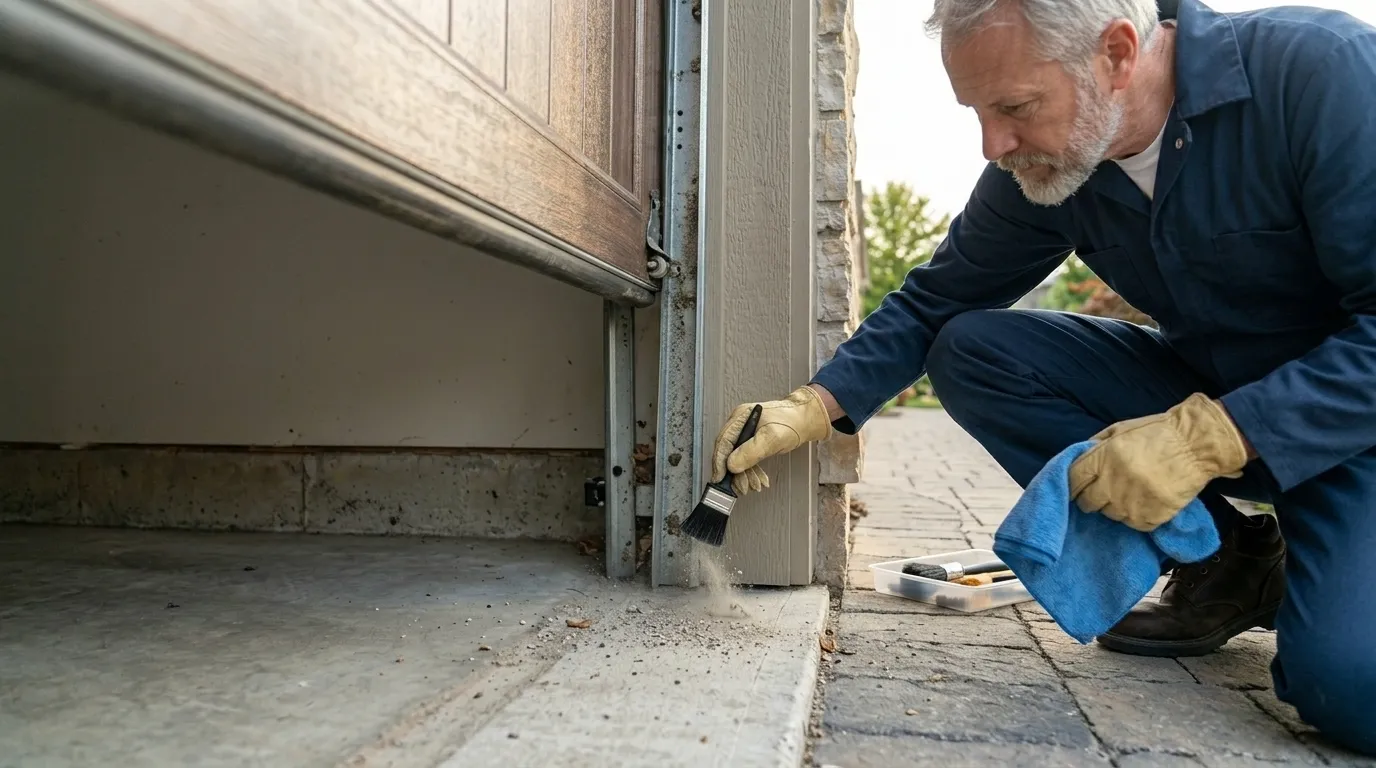
Before you call anyone, pull the release cord and lift the door by hand. If it's heavy or drops on its own partway up, that's a spring losing tension, not an opener problem - don't keep running the opener against it. Look at the bottom corners of the panel for rust bubbling through the paint; on a door that's been sitting through 50-plus winters in this climate, that's usually where moisture got in first.
Check the track brackets where they bolt to the framing - in older houses the wood there has sometimes dried and shrunk enough that the lag bolts have backed out a quarter inch, which throws the whole alignment off. Listen for the source of any noise: grinding usually means rollers, a loud bang on opening usually means a cable has jumped the drum. We won't tell you to replace your own torsion spring - that's the one repair on this list that puts people in the ER, not the honest-limitation kind of advice, the actual kind.
Everything else here is safe to eyeball before you decide it's worth a call.
How We Can Help
Garage Door Repair
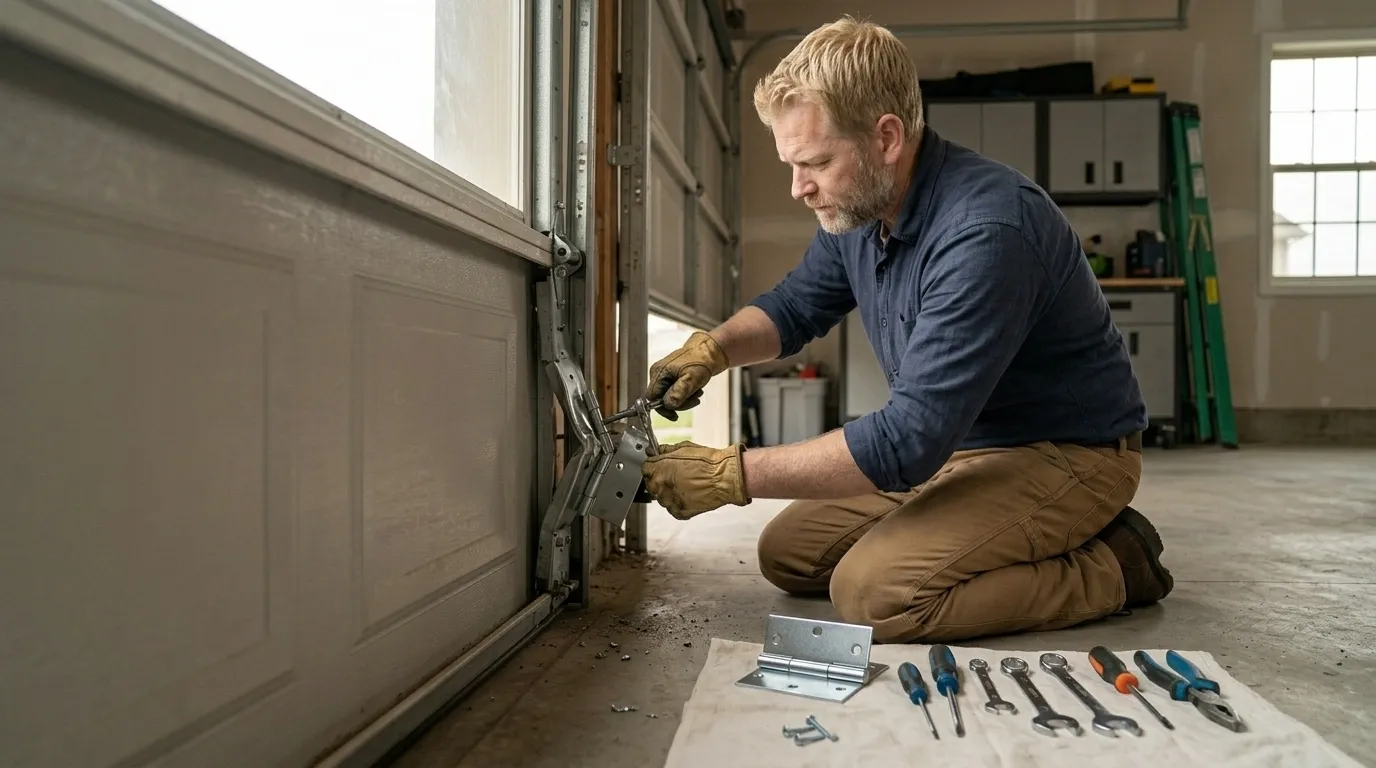
Springs, cables, tracks, rollers, and openers fixed by a tech who explains the problem before touching anything.
Learn more →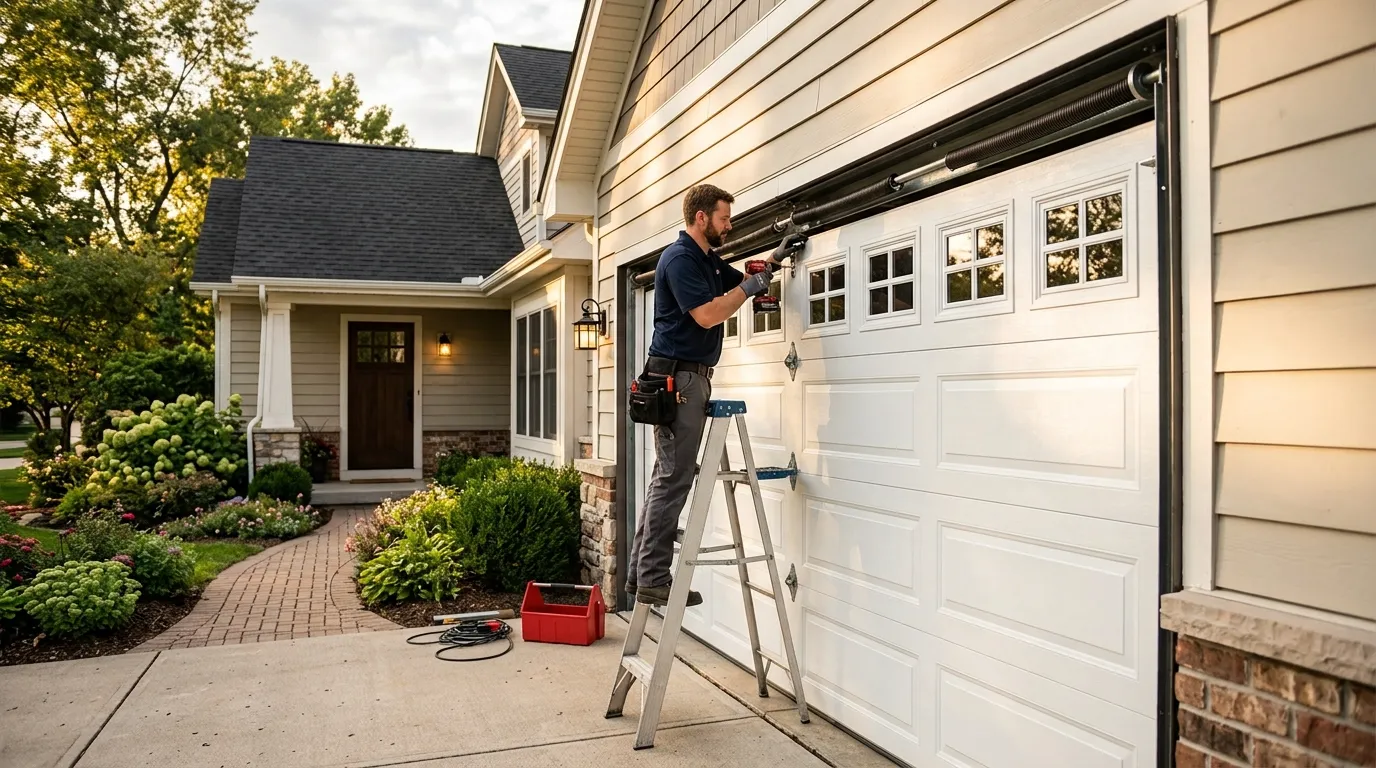
Garage Door Installation
New sectional doors sized and installed for the housing stock actually built in this area.
Learn more →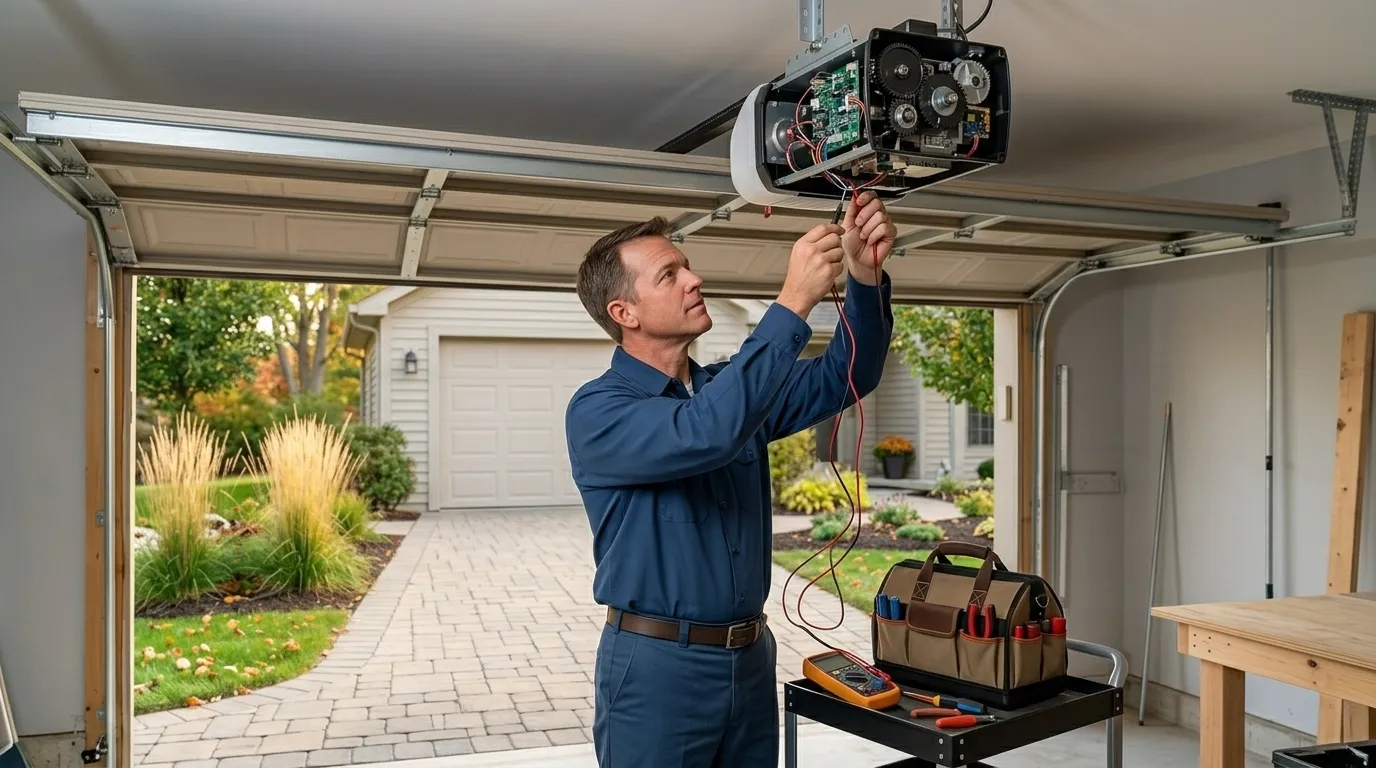
Garage Door Service
Tune-ups, lubrication, and safety checks that catch a small problem before it becomes a service call.
Learn more →Frequently Asked Questions
Why does my garage door feel heavier in the winter?
Cold steel loses a little flexibility, and springs that have already cycled through decades of freeze-thaw in this climate band lose tension faster than newer ones. If the door was installed anywhere near the 1947-1990 range common to this area, winter is usually when a marginal spring finally announces itself.
Is my opener original to the house?
If your house dates to the common 1960s-70s stock in this area and the opener still uses a chain drive with a heavy metal logic box, it's worth asking a tech to check the install date on the unit itself. Original openers from that era are past any realistic service life.
Can you quote a repair price over the phone?
Not honestly. Spring size, drum type, and track condition vary enough across the housing stock here that a phone estimate would just be a guess. We give a real number once a tech has the door open.
Do you serve my suburb?
We cover the Saint Louis area and the surrounding communities including Clayton, Kirkwood, Webster Groves, Maplewood, and the other named areas in our service footprint. Check with us directly if you don't see your area listed.
Have a Door That Needs a Second Opinion?
Call and describe what it is doing - we will tell you what it likely is.